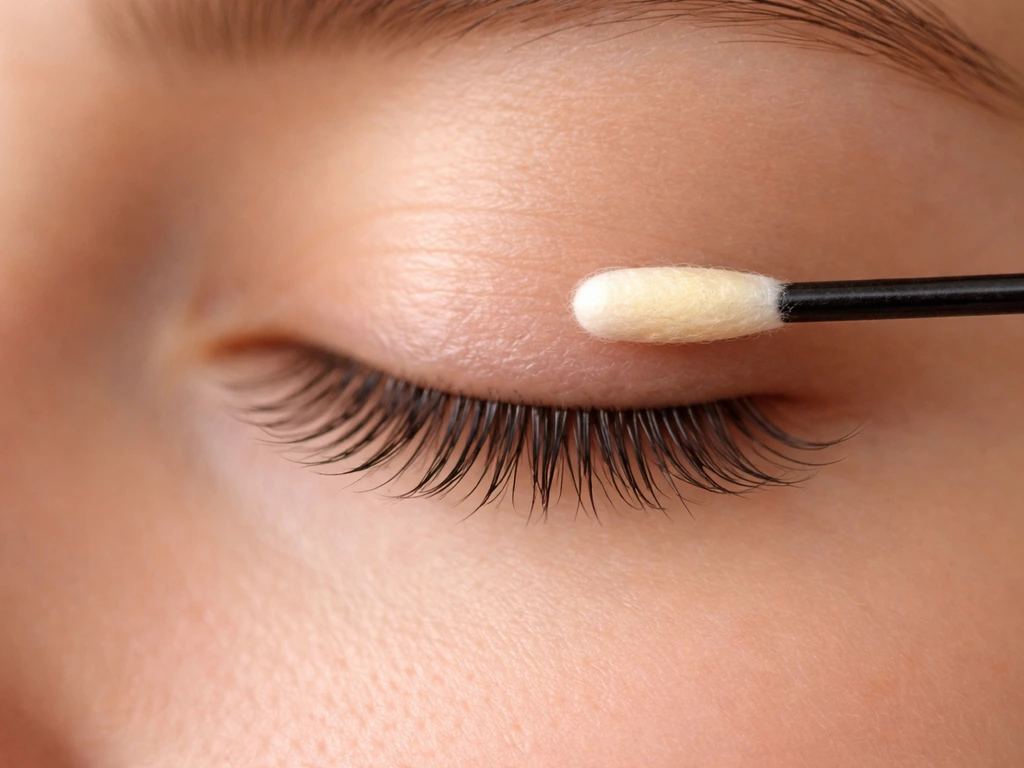
Flaxseed gel will not grow new eyelashes by activating dormant follicles or extending your lash cycle. There is no clinical evidence that it stimulates follicle-driven growth the way a prescription bimatoprost or a well-formulated peptide serum can. What it can do is condition the lashes you already have, reduce brittleness and breakage, and coat the lash shaft in a film-forming hydrocolloid that makes lashes look and feel fuller. For some people, especially those dealing with dry, brittle, or damage-prone lashes, that is genuinely useful. But if you go in expecting it to trigger regrowth after extensions, chemo, or a medical condition, you will likely be disappointed without pairing it with a strategy that actually addresses the follicle.
Can Flaxseed Gel Grow Eyelashes? Safety and Results
Rachel Nguyen
24 Jun 2026
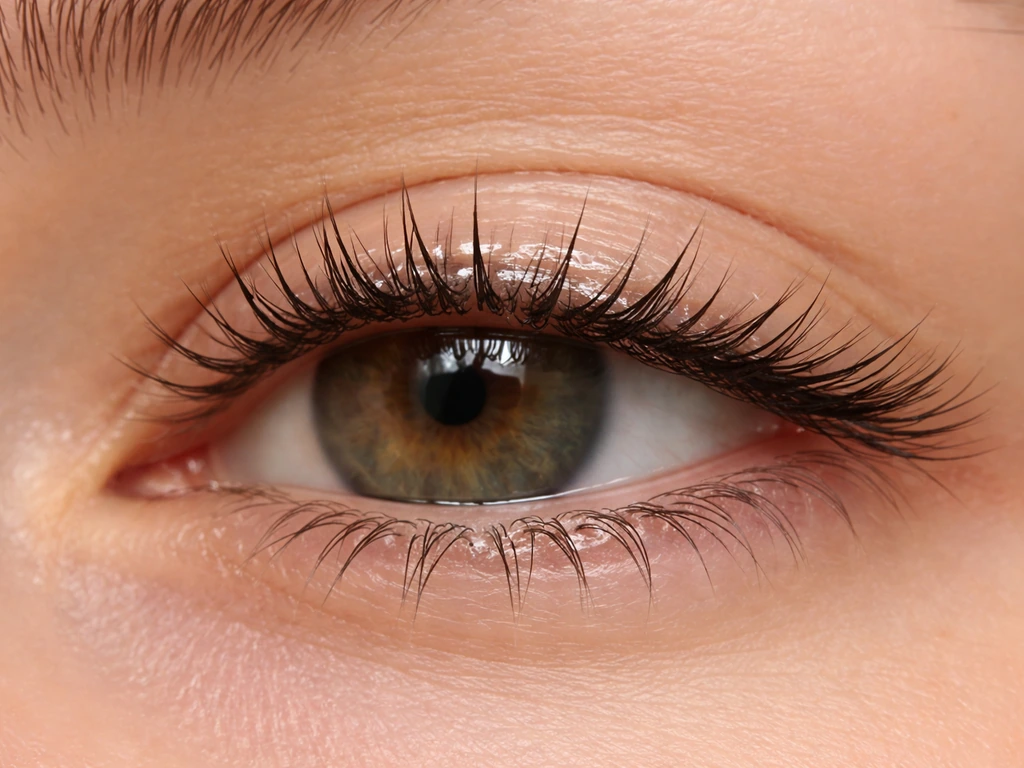
What flaxseed gel can and can't do for your eyelashes
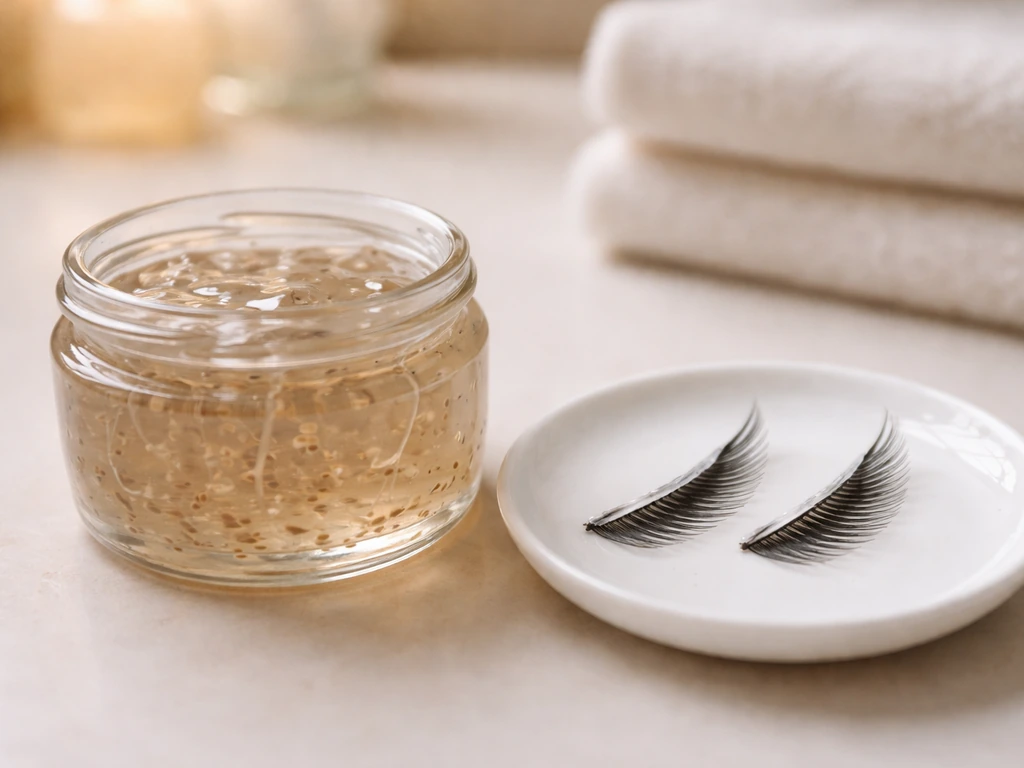
Flaxseed gel is made by simmering whole flaxseeds in water and straining off the thick, slippery mucilage that forms. That mucilage is rich in polysaccharides that create a film-forming, hydrocolloid layer when applied to a surface. On lash shafts, that coating smooths the cuticle, seals in moisture, and reduces the friction and brittleness that lead to breakage. Anti-inflammatory compounds in flaxseed extract have also been studied in wound-care contexts, suggesting some plausible soothing benefit for the delicate skin of the eyelid margin.
What it cannot do is directly signal lash follicles to produce more or faster growth. No published study has demonstrated that flaxseed gel, applied topically to lashes, activates the anagen (growth) phase of the lash cycle, extends growth phase duration, or increases the number of active follicles. The wound-care and anti-inflammatory research on flaxseed extracts is promising for skin healing in general, but that is a very different mechanism from follicle stimulation. If you see people online claiming their lashes "grew back" after using flaxseed gel, the most likely explanations are: their natural regrowth cycle completed while they were using it, breakage-related loss improved, or they conflated conditioning effects with actual new growth.
| Effect | Does flaxseed gel deliver it? | Notes |
|---|---|---|
| Moisturizes and coats lash shafts | Yes | Film-forming mucilage polysaccharides confirmed in food-science literature |
| Reduces lash breakage | Likely yes | Conditioning reduces brittleness; no lash-specific trial exists |
| Soothes eyelid skin inflammation | Possibly | Supported by topical anti-inflammatory extract research, not lash-specific |
| Stimulates follicle growth cycle | No | No clinical evidence for this mechanism |
| Replaces lashes lost to alopecia or damage | No | Cannot activate follicles or reverse medical lash loss |
How eyelashes actually grow (and what 'growth' really means)
Eyelash follicles cycle through three phases: anagen (active growth, roughly 30 to 45 days for lashes), catagen (transition, 2 to 3 weeks), and telogen (resting and shedding, 3 to 4 months). If you are looking for ways to influence lash growth beyond conditioning films, you may also wonder can argan oil grow eyelashes as a related option. The full cycle from new lash to shed lash takes about 4 to 6 months. Lashes grow much slower than scalp hair, averaging around 0.12 to 0.14 mm per day, and they have a shorter anagen phase, which is why lashes naturally stay short. Only about 40 percent of upper lashes are in active growth at any given time.
When people talk about "growing" lashes, they usually mean one of two things: triggering dormant or telogen-phase follicles to enter anagen sooner, or extending the anagen phase so each lash grows longer before it sheds. A true growth agent (like bimatoprost) does both. Conditioning agents like flaxseed gel do neither. What they can do is prevent premature breakage of existing anagen lashes, which means more lashes reach their full grown-out length instead of snapping off at mid-shaft. That outcome can look a lot like growth without technically being growth.
Conditioning vs. actual follicle stimulation: what's really happening
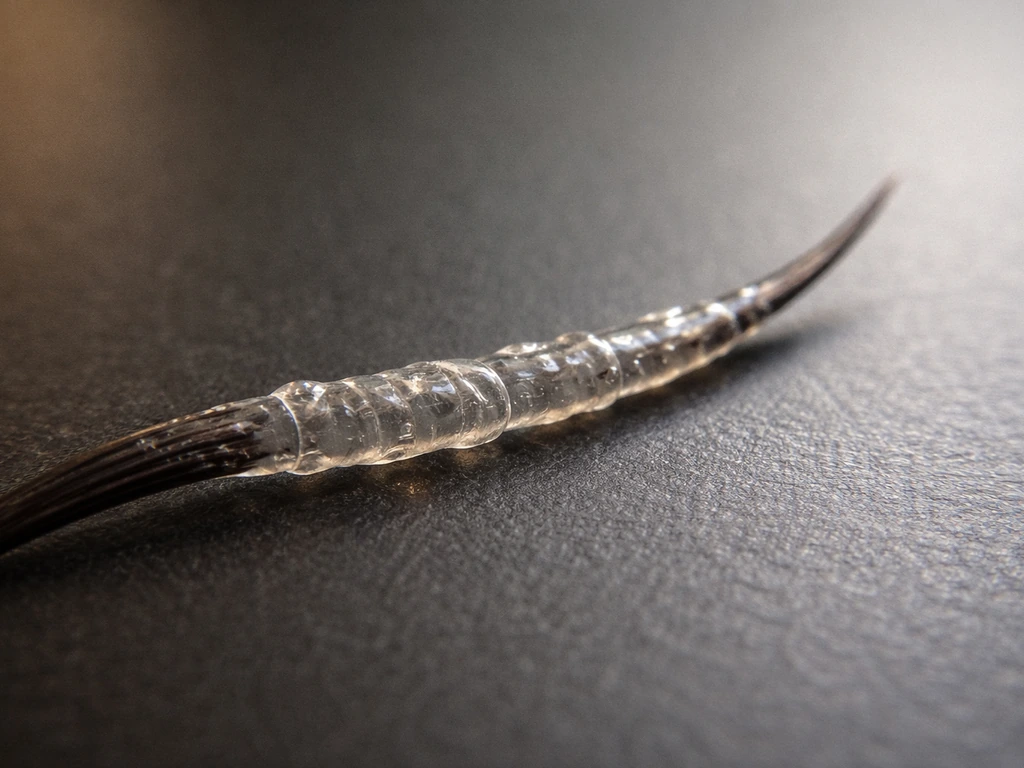
The polysaccharides in flaxseed mucilage form a hydrocolloid film on the lash shaft when the gel dries. This is well-documented in food-science characterization studies. That film smooths and seals the cuticle of each lash, reducing moisture loss and making individual hairs more flexible and resistant to mechanical stress (rubbing, mascara removal, sleeping on lashes). The result over 4 to 8 weeks: fewer hairs breaking at vulnerable mid-shaft points, a fuller look as more lashes survive to their full length, and possibly softer, less brittle lashes that are less likely to fall out prematurely from friction.
The anti-inflammatory and antibacterial properties studied in flaxseed extract formulations add another plausible layer: if mild eyelid irritation or low-grade blepharitis is part of the reason lashes are falling out, a soothing topical applied carefully to the lash base might reduce the inflammatory environment that was disrupting the follicle. This is speculative for lashes specifically, but it's a more biologically plausible mechanism than direct follicle activation. It also means flaxseed gel is more likely to help if your lash thinning is related to dryness, irritation, or breakage rather than a deeper medical cause.
How to use flaxseed gel on eyelashes safely
Make or choose your gel carefully
If you make it at home, boil 2 tablespoons of whole flaxseeds in 1 cup of water for 5 to 10 minutes until the water thickens to a gel consistency, then strain and let it cool completely. Store it in a clean, airtight glass jar in the refrigerator and discard after 7 to 10 days. Bacterial contamination is a real concern given how close this goes to your eyes. Do not use a batch that smells off, looks cloudy beyond normal, or has been sitting out at room temperature. If you use a store-bought flaxseed product, check the ingredient list for preservatives, fragrances, and alcohol, all of which increase irritation risk at the lid margin.
Patch test first, no exceptions
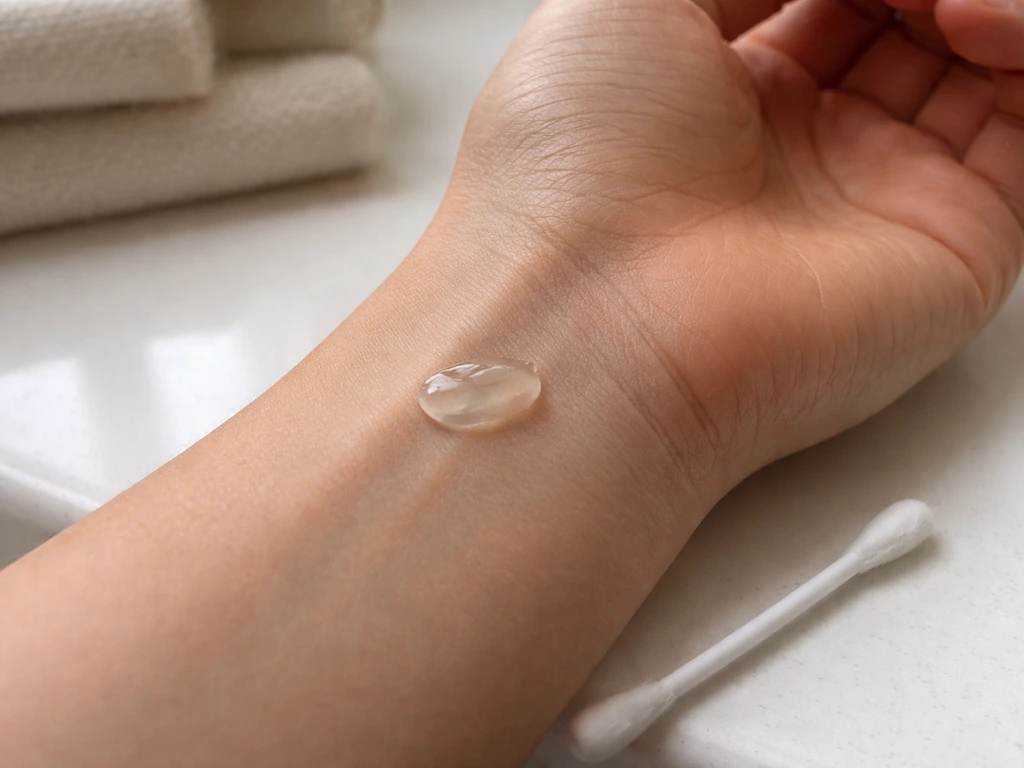
Apply a small amount of the gel to the inside of your wrist or the crook of your elbow and wait 24 to 48 hours before putting anything near your eyes. Flaxseed allergy is a documented and emerging allergen issue. There are published case reports of allergic conjunctivitis from flaxseed exposure, and a body of peer-reviewed literature on flaxseed anaphylaxis and hypersensitivity. The proximity to your eyes means that even a mild allergic reaction that would just be annoying on your arm becomes a much more serious problem on your eyelids.
Application method and frequency
Use a clean mascara wand, a small clean eyeliner brush, or a cotton swab. Apply a thin layer to the upper lash line at night, working through the lashes from root to tip. You want to coat the lashes and barely touch the lid margin, not flood the inner corner or press gel directly onto the eyeball. Apply once per night, not multiple times daily. The mucilage film does its job after one application, and more is not better here. More product close to the eye increases the chance of it migrating into the eye overnight, which causes irritation even if you're not allergic.
How long before you judge results
Give it a minimum of 6 to 8 weeks of consistent nightly use before making a call. Because lash breakage takes a full growth cycle to show up as visual improvement, anything shorter than 6 weeks will not give you a fair result. At the 8-week mark, compare photos taken in the same lighting. If you see less breakage, slightly fuller density, or less shedding on your pillow, the conditioning is working. If nothing has changed and you are not noticing any difference in lash texture or feel, flaxseed gel is probably not going to move the needle for you.
Risks and side effects around the eye area
The eyelid is one of the most sensitive skin surfaces on the body. Risks with flaxseed gel here are not just theoretical. Allergic reactions to flaxseed are well documented, and applying an allergen that close to the conjunctiva can trigger allergic conjunctivitis: red, itchy, watery eyes that can take days to settle down. Even without a true allergy, the gel can physically migrate into the eye overnight, causing temporary irritation and blurry vision in the morning. Homemade gel that has not been kept cold or is older than a week is a contamination risk, and an eye infection near the lash follicles (folliculitis or stye) is painful and potentially serious.
- Stop immediately if you notice redness, itching, swelling of the lid, or watery eyes after application
- Do not use if you have active blepharitis, a stye, or any current eye infection
- Avoid applying directly to the inner corner or the waterline
- Never use near the eyes if your patch test showed any skin reaction
- If the gel gets into your eye, rinse thoroughly with clean water and wait to see if irritation clears before continuing use
- People with a known flaxseed or linseed food allergy should not try this at all
Better-supported options for actually growing longer, thicker lashes
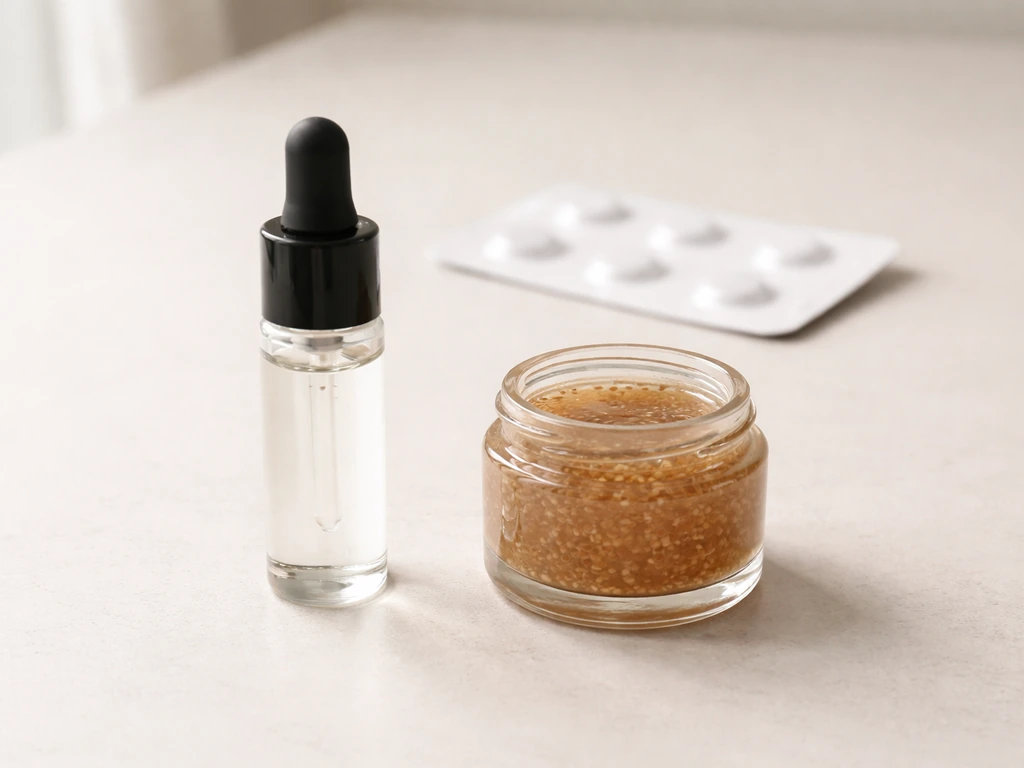
If your goal is measurable lash growth rather than just reduced breakage, flaxseed gel should not be your first or only strategy. To grow eyelashes faster and longer, consider the best oil or growth-focused serum option matched to your lash-loss cause flaxseed gel should not be your first or only strategy. Castor oil has a much longer track record as a conditioning lash remedy and contains ricinoleic acid, which has some evidence for anti-inflammatory action at the follicle level.
Among natural oils compared across this site, castor oil remains the most widely used with the strongest anecdotal and preliminary evidence base, though it still lacks robust clinical trials. Argan oil, batana oil, and amla oil each bring different fatty acid and antioxidant profiles to lash conditioning, but like flaxseed gel, none has been clinically proven to stimulate follicle growth on their own.
For real follicle stimulation and documented lash growth, the most evidence-backed options are: bimatoprost-based serums (prescription prostaglandin analog, clinically proven to extend anagen phase and increase lash density), over-the-counter peptide and growth-factor lash serums that show measurable results in independent trials, and addressing nutritional deficiencies (biotin, iron, zinc, vitamin D) that can suppress the lash cycle. Black seed oil is often marketed for hair and skin, but there is not strong clinical evidence that it can grow eyelashes the way certain prescription or growth-factor treatments can. If you are recovering from lash extensions or damage, the most important step is mechanical: remove the cause of traction, stop using lash curlers aggressively, and let the existing follicles complete their natural regrowth cycle without further trauma.
| Option | Mechanism | Evidence level | Best for |
|---|---|---|---|
| Flaxseed gel | Conditioning, film-forming, possibly anti-inflammatory | Low (no lash-specific trials) | Reducing breakage, brittle lashes |
| Castor oil | Conditioning, possible follicle anti-inflammatory effect | Low-moderate (anecdotal, some preliminary data) | General lash conditioning and moisture |
| Peptide lash serums (OTC) | Follicle-signaling peptides, some growth factor analogs | Moderate (independent trials) | Mild-to-moderate lash thinning |
| Bimatoprost (prescription) | Prostaglandin analog, extends anagen phase | High (multiple RCTs) | Medical lash loss, significant thinning |
| Nutritional support (biotin, iron) | Corrects deficiency-driven cycle disruption | Moderate (when deficiency present) | Lash loss linked to nutritional gaps |
| Trauma reduction (gentle removal, no curlers) | Prevents mechanical breakage | High (mechanistic) | Post-extension or damage recovery |
Why it might not be working, and when to see a professional
The most common reason flaxseed gel does not seem to help is that the lash thinning has a cause it cannot address. Canola oil, like flaxseed gel, is often discussed for lash growth, but evidence for whether it truly helps eyelashes grow is limited. If your lash loss is due to alopecia areata, thyroid imbalance, blepharitis, medication side effects, or a nutritional deficiency, no amount of topical conditioning will reverse it. Conditioning treats the shaft; it does not fix a disrupted follicle cycle caused by systemic or inflammatory issues. Another frequent problem is applying the gel too liberally too close to the lash line, which causes repeated low-grade irritation that counteracts any benefit and may actually slow regrowth.
Using it inconsistently is the other big failure mode. Six to eight weeks of daily nightly application is the minimum test period, and many people stop after two weeks because they see no dramatic change. Compared to a well-formulated lash serum, flaxseed gel's effects are subtle and gradual. If you have been consistent for 8 to 10 weeks and see no change in lash feel, breakage rate, or density, it is reasonable to stop and move to a better-evidenced option.
See a dermatologist or ophthalmologist if: your lash loss started suddenly or is patchy (possible alopecia areata or trichotillomania), you have persistent eyelid redness, flaking, or crusting (blepharitis needs medical treatment, not home oils), lashes are not recovering 3 to 4 months after removing extensions or stopping a medication, or you develop any eye symptoms after trying a topical product near the lash line. A dermatologist can evaluate whether a prescription-strength option or systemic treatment is appropriate, and an ophthalmologist can rule out structural or ocular surface issues that topical home remedies will never fix.
FAQ
If flaxseed gel cannot regrow lashes, how can it still make lashes look “fuller”?
No. Flaxseed gel may make your existing lashes less brittle and reduce breakage, but it does not trigger dormant follicles or extend the lash growth (anagen) phase. If your goal is true regrowth, you will need a different approach, typically a medically proven growth agent or treatment for the underlying cause of lash loss.
What signs mean flaxseed gel is working for breakage prevention?
Look for changes that match conditioning, not new growth. You may notice fewer snapped mid-shaft hairs, less shedding on your pillow, and lashes feeling softer. Growth-like results usually take a full lash cycle to show up visually, and they do not mean new follicles were activated.
Can I apply flaxseed gel to the lower lashes or inner corner?
It is best used on the upper lash line only, because the lash base near the eye is more sensitive and product migration is more likely. Avoid applying to the inner corner and do not flood the lash line, since excess gel can run into the eye overnight and cause irritation.
How long is flaxseed gel safe to keep, and can I reuse it after a week?
Yes, but only on an ongoing, clean, refrigerated basis. Homemade gel should be discarded after 7 to 10 days, because microbial contamination risk goes up with time and warmth. Cloudiness beyond normal, an off smell, or any “watery” separation are reasons to toss it.
Will flaxseed gel help eyelashes recover if I still wear lash extensions?
If you are using lash extensions, do not rely on flaxseed gel to “repair regrowth” while extensions are in. The priority is removing traction and avoiding aggressive removal or rubbing, since mechanical stress can outweigh any conditioning benefit.
What should I do if my eyes feel irritated after using flaxseed gel?
Because allergy risk is real and close to the eye, patch testing is important but it does not guarantee safety near the conjunctiva. If you develop burning, redness, swelling, or watery eyes after applying it near the lash line, stop immediately and seek eye care if symptoms persist.
Does flaxseed gel work for all types of lash thinning and lash loss causes?
If your lash loss is driven by a medical condition (for example alopecia areata), eyelid inflammation (blepharitis), medication side effects, thyroid issues, or nutrient deficiencies, flaxseed gel will not correct the cause. You may still reduce shaft breakage, but it will not restore follicles that are not functioning normally.
Can flaxseed gel make eyelid irritation worse even if it seems soothing on skin?
Often, no. If you already have lash shedding from irritation or inflammation, repeatedly applying a product that migrates into the eye can worsen low-grade irritation. Make sure the layer is thin, applied once nightly, and kept away from the lid margin.
Will applying more flaxseed gel make results faster?
Stronger is usually worse here. Multiple nightly applications increase the chance the gel migrates into the eye and triggers irritation, even for people without a known allergy. A thin coat once per night is typically the safer strategy.
When should I stop flaxseed gel and switch to something else?
If you have not noticed any reduction in breakage, roughness, or shedding by 6 to 8 weeks of consistent nightly use, it is reasonable to stop. At that point, switching to a more evidence-based serum and addressing the underlying lash-loss cause is likely to be more effective.
Next Article
Does Black Seed Oil Grow Eyelashes? Evidence and How To
Does black seed oil grow eyelashes? Evidence, realistic timelines, safe use steps, risks, and comparison to serums