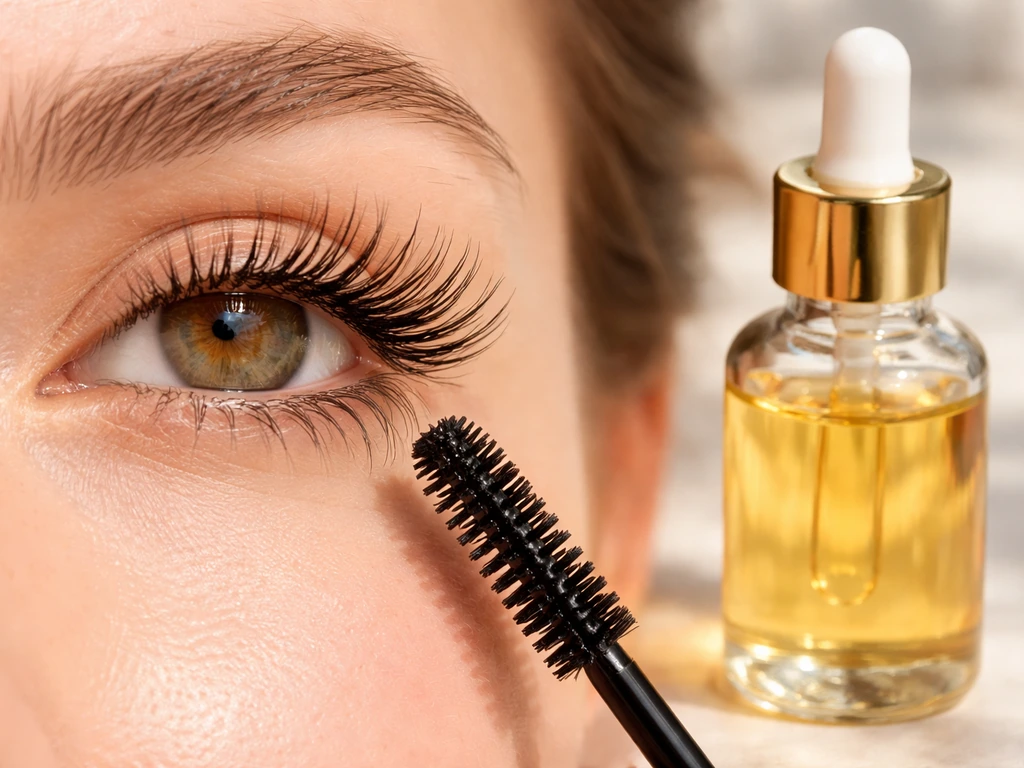
Canola oil is unlikely to make your eyelashes grow longer or thicker in the way a pharmaceutical like bimatoprost (Latisse) does. Sunflower oil is a similar cooking-aisle vegetable oil, so the evidence and expectations are generally the same canola oil is unlikely to make your eyelashes grow longer or thicker.
Does Canola Oil Grow Eyelashes? What to Expect and How to Use It Safely
Rachel Nguyen
28 May 2026
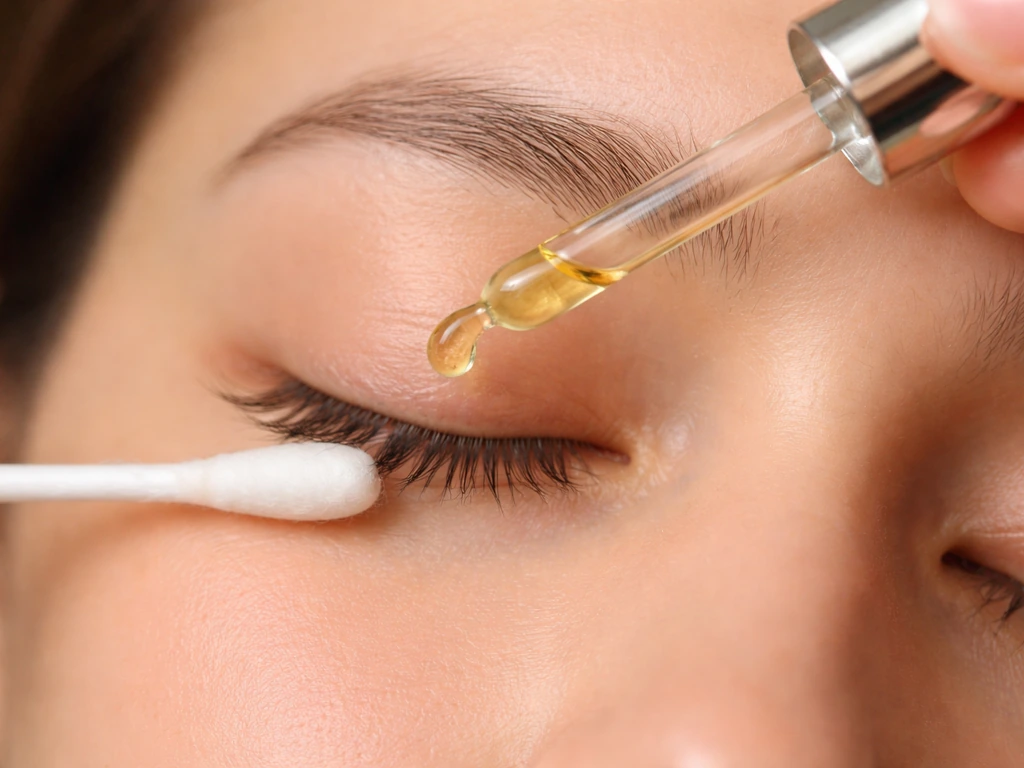
What it can realistically do is condition the lashes you already have, reduce dryness and brittleness, and cut down on mechanical breakage, which can make lashes look and feel better over time. That improvement is worth something, but it is not the same as stimulating follicles to produce new or longer hairs. If you are expecting growth, you should know the distinction upfront so you can decide whether canola oil is worth trying or whether you need a stronger approach.
How eyelash growth actually works
Every eyelash follicle cycles through three phases: anagen (active growth), catagen (regression), and telogen (resting/shedding). During anagen, the follicle is actively producing a new hair shaft. Catagen is a brief transition where growth stops. Telogen is when the old lash sits dormant until it sheds and the cycle restarts. Eyelashes typically replace themselves over about 4 to 8 weeks depending on where they are in the cycle when they shed, though that number varies person to person.
This matters because "growing eyelashes" can mean two completely different things. The first is getting follicles to spend more time in anagen or produce a thicker, longer hair shaft, which requires something that actually acts on the follicle at a biological level. The second is protecting the existing lash from damage so it does not break before reaching its full natural length. Oils, including canola oil, work through the second mechanism. They cannot reprogram your growth cycle. An ingredient that genuinely changes your cycle needs a pharmacological action, and that is not what a cooking-aisle vegetable oil provides.
What canola oil is made of, and what that means for lashes
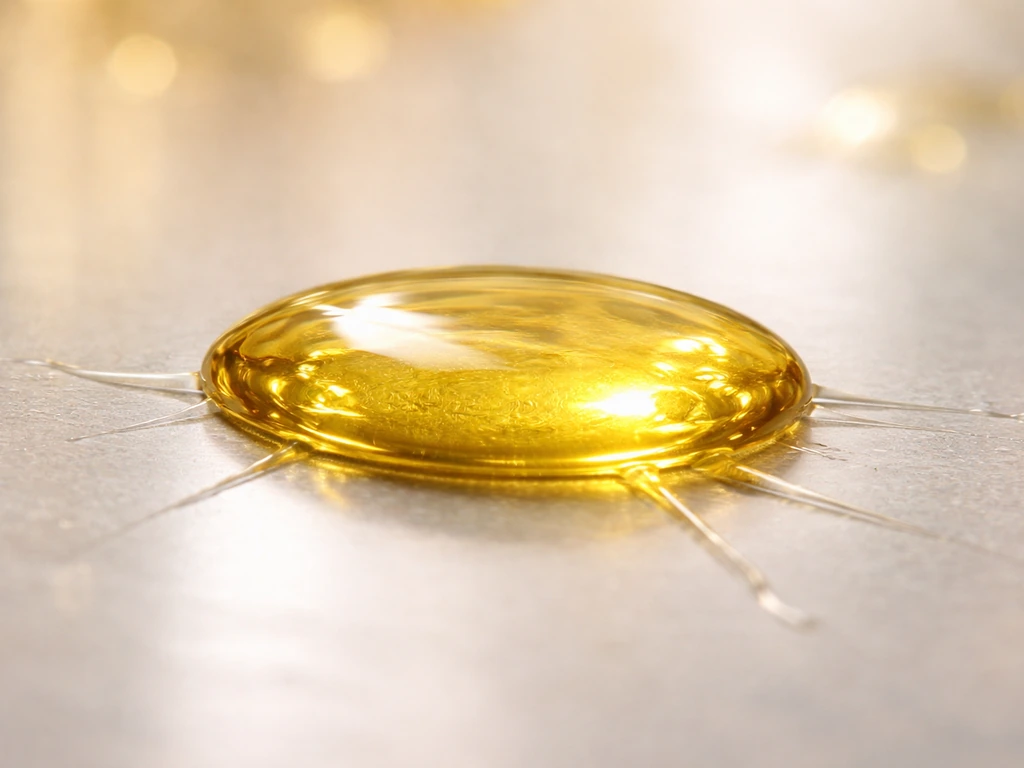
Canola oil is predominantly unsaturated fatty acids. Oleic acid makes up roughly 58 to 66 percent of its composition, and linoleic acid accounts for another 17 to 21 percent, with smaller amounts of alpha-linolenic acid and saturated fats. It also contains tocopherols (vitamin E compounds), phytosterols, and trace polyphenols. These components make canola oil a decent emollient, meaning it can soften the hair cuticle, help the lash retain moisture, and form a light film that reduces friction and breakage.
The tocopherols are worth noting because vitamin E is sometimes associated with skin health and antioxidant protection. In the context of eyelashes, the honest interpretation is that these compounds support the oil's stability and may contribute to a conditioning effect on the follicle's surrounding skin, not that they stimulate follicle growth. There is no clinical evidence that applying canola oil, or any similar cosmetic oil, directly to lashes triggers follicle activity. Experts consistently frame this category of oils in conditioning terms, not growth terms.
Canola oil vs. other lash oils and serums: how it stacks up
Canola oil sits in a large group of cosmetic oils that share similar conditioning properties but lack evidence for direct lash growth. Even castor oil, which gets significantly more attention in the lash community, has no robust scientific evidence that it makes eyelashes grow.
The conversation around oils like argan, batana, amla, sunflower, and black seed oil is similar: each has a slightly different fatty acid and antioxidant profile, and each can reasonably claim to condition lashes, but none has clinical trials demonstrating follicle-level growth stimulation. While batana oil is also discussed as a conditioning option, it similarly lacks solid clinical evidence that it directly stimulates lash follicles to grow longer.
Argan oil is similar to other conditioning oils in that it can help soften and protect lashes, but it does not have clinical proof that it stimulates lash follicles to grow new lashes. Canola oil's high oleic acid content makes it a reasonably good moisturizer, but it is not clearly better for lashes than castor oil or other dedicated lash oils.
On the other end of the spectrum, bimatoprost 0. 03% (sold as Latisse) is the only FDA-approved treatment for eyelash hypotrichosis (inadequate lash growth). Multiple randomized, vehicle-controlled clinical trials show it measurably increases lash length, thickness, and darkness by extending the anagen growth phase. A patient-reported outcomes analysis in a randomized vehicle-controlled study found that bimatoprost 0.
03% once daily was associated with [increased eyelash prominence compared with vehicle](https://pubmed. ncbi. nlm. nih.
gov/23873891/). It works at the follicle level in a way no oil does. Peptide-based lash serums occupy a middle ground: they are marketed with more active ingredient claims than plain oils, but most lack the same level of clinical evidence as bimatoprost. Still, a well-formulated peptide serum is a more evidence-adjacent choice than a cooking oil if growth is your primary goal.
| Option | Mechanism | Evidence for lash growth | Best suited for |
|---|---|---|---|
| Canola oil | Emollient, occlusive conditioning | None for growth; plausible for reduced breakage | Dry, brittle lashes; low-risk conditioning |
| Castor oil | Emollient, occlusive conditioning | None for growth (same limitations as other oils) | Similar to canola; slightly richer texture |
| Argan / Amla / Batana oil | Emollient, antioxidant conditioning | None for growth; conditioning benefit varies by oil | Conditioning; complement to other approaches |
| Peptide lash serums | Potential signaling to follicle environment | Limited but stronger than plain oils | Those wanting more than conditioning without Rx |
| Bimatoprost 0.03% (Latisse) | Prostaglandin analog, extends anagen phase | Strong: multiple RCTs, FDA-approved | Diagnosed hypotrichosis, significant lash loss |
How to apply canola oil safely around your eyes
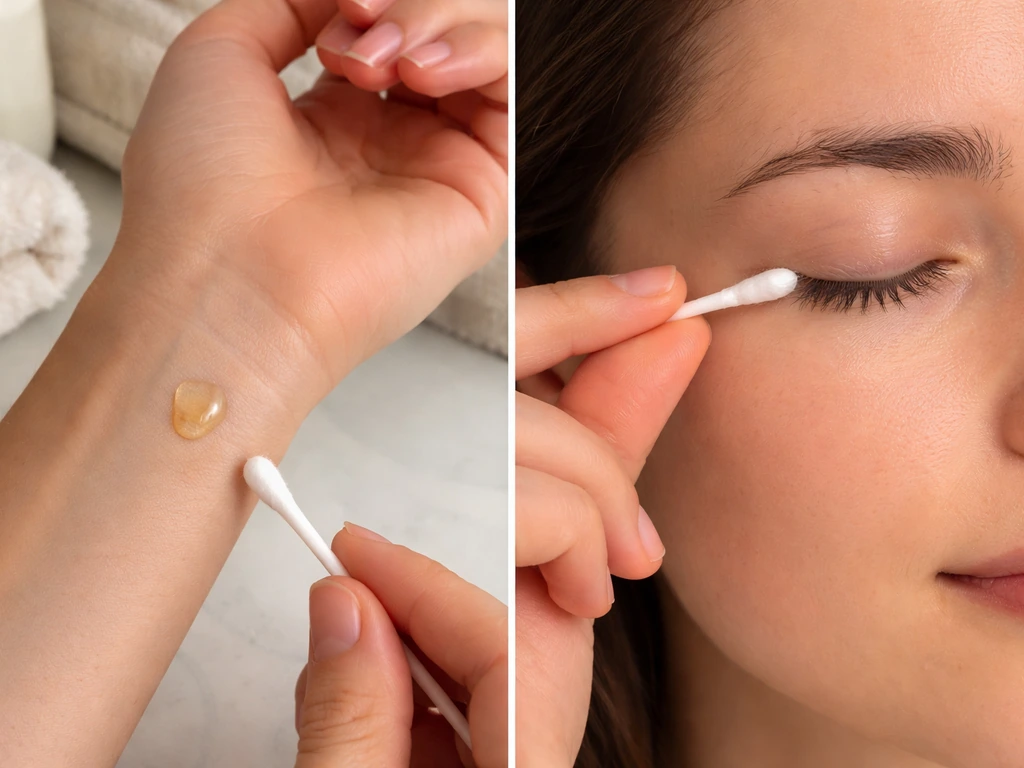
If you want to try canola oil for lash conditioning, the application method matters more than most people realize because the eye area is sensitive and you can cause irritation, milia (small oil-related bumps), or even temporary blurry vision if oil gets into the eye. Here is how to do it without those problems.
- Patch test first. Apply a small amount of canola oil to the inside of your wrist or inner elbow. Wait 24 hours and check for redness, itching, or swelling. If there is any reaction, do not use it near your eyes.
- Start with clean, dry lashes. Remove all eye makeup and make sure the lash line is clean and dry. Residual makeup remover or cleanser can react unpredictably with oil.
- Use a minimal amount. Dip a clean disposable mascara wand or a clean cotton swab very lightly into the oil. You want just enough to coat the lashes, not saturate them. Too much oil increases the risk of it running into the eye.
- Apply from mid-lash to tip, then base to mid-lash. Avoid depositing a large glob directly at the lash root, which sits right above the lash line. A thin, even coat is all you need.
- Blot any excess. Use a dry cotton pad to blot away any oil that migrated to the eyelid skin or near the waterline. This reduces the risk of oil entering the eye and causing temporary blurring or irritation.
- Apply at night, before bed. This lets the oil condition lashes while you sleep without interfering with makeup or vision. Rinse with your regular cleanser in the morning.
- Frequency: 3 to 4 times per week is a reasonable starting point. Daily use is not necessary and could contribute to buildup or follicle-area congestion.
If you experience any burning, persistent redness, itching, or swelling at the lash line or eyelid, stop immediately. The FDA notes that allergic reactions to eye-area cosmetics can present exactly this way. Even a food-grade oil can trigger a reaction in the delicate periocular skin. Do not push through irritation hoping it will resolve. Give the area a few days to calm down before deciding whether to retry with extra caution or move on to a different option.
What to realistically expect and when to reassess
The first thing you might notice, usually within the first 2 to 4 weeks of consistent use, is that your lashes feel less brittle and look slightly less sparse because fewer hairs are breaking mid-shaft before reaching their full length. That is a real improvement, and it happens from the conditioning effect, not from new growth.
If you are also curious about flaxseed gel, you can look at how it compares to conditioning oils and whether it has any evidence for eyelash growth can flaxseed gel grow eyelashes. If your main goal is the best oil to grow eyelashes, look for products with ingredient evidence for growth rather than conditioning alone. Do not confuse this with the oil stimulating follicles.
Because the eyelash cycle runs roughly 4 to 8 weeks, meaningful changes in actual lash length and density would need at least one to two complete cycles before they show up clearly. A fair reassessment window is 8 to 12 weeks of consistent, correct application. If you are not seeing even a conditioning improvement (less breakage, softer texture, slightly fuller appearance from reduced shedding) after 6 to 8 weeks, canola oil is probably not delivering enough benefit for your situation and it is time to consider an alternative.
Better options if canola oil is not enough
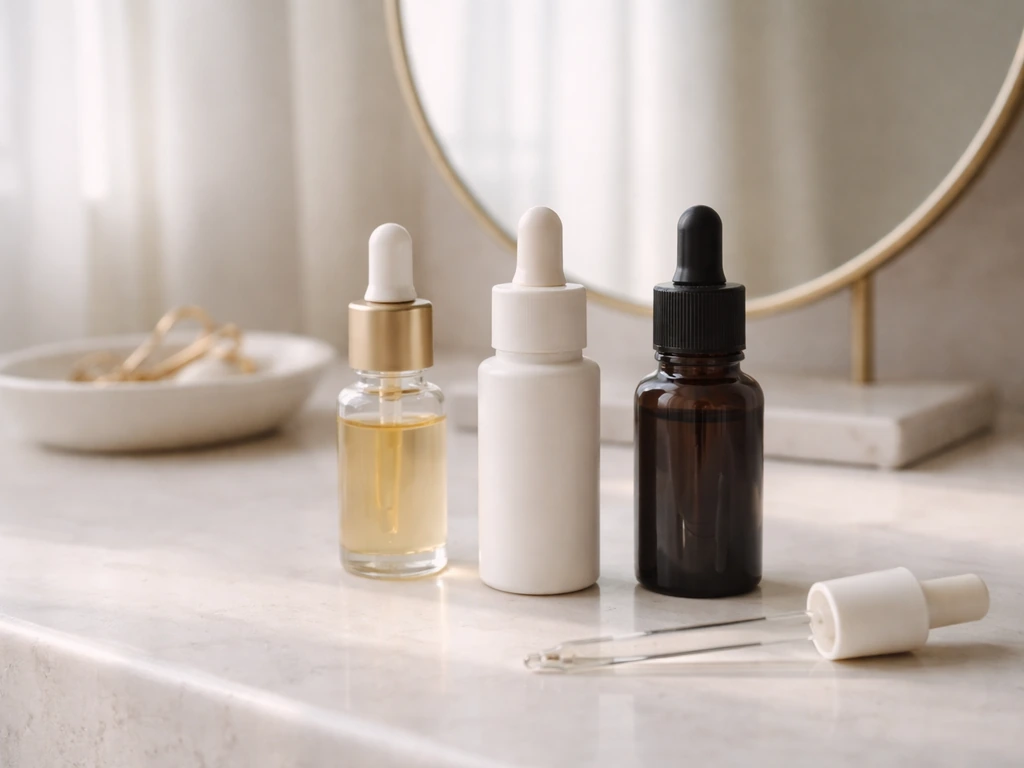
If conditioning alone is not solving your lash concerns, the next logical step depends on what is actually happening with your lashes. For someone who wants more conditioning benefit than canola oil provides, castor oil has a thicker, more occlusive texture that some people find more effective, though the evidence base is the same. Other oils like argan, amla, batana, and black seed oil each have slightly different profiles and are worth exploring if you enjoy the oil-based routine and want to experiment within that category. Black seed oil is also often discussed as a natural option for lash care, but the key question is whether it has evidence for true lash growth versus conditioning.
If you want something with a more active approach to lash density, look at peptide-based lash serums formulated specifically for the lash line. They are not equivalent to bimatoprost, but they are designed with the application zone in mind and often contain ingredients intended to support the hair follicle environment more directly than a plain oil.
For significant lash thinning or loss, especially if it has come on gradually, seems to be worsening, or is accompanied by eyelid inflammation, you should see a clinician rather than cycling through home remedies. Conditions like blepharitis (chronic eyelid inflammation at the lash line), traction damage from extensions, medication side effects, hormonal changes, and scarring conditions can all cause lash loss that does not respond to oils or even over-the-counter serums. A dermatologist or ophthalmologist can identify whether bimatoprost 0.03% is appropriate for you, though it comes with its own side effect profile including eye irritation, conjunctival redness, and potential periorbital skin darkening, so it is not a casual first choice and is typically prescribed after ruling out underlying causes.
Biotin supplementation is often mentioned in the lash growth conversation. If your lash thinning is connected to a genuine biotin deficiency (which is relatively uncommon but does occur), addressing that deficiency can support hair health system-wide. For people without a deficiency, supplementing biotin is unlikely to produce dramatic lash changes. It is a reasonable addition to a broader approach but should not be the centerpiece of your plan.
The bottom line on canola oil and lashes
Canola oil is a safe, accessible, inexpensive option for conditioning eyelashes and reducing breakage. It will not reprogram your follicles or extend your growth cycle the way a prostaglandin-based prescription treatment does. If your lashes are dry, fragile, or prone to shedding from mechanical damage, consistent use of canola oil applied correctly and cautiously may genuinely help them look healthier. If you are dealing with actual growth problems, thinning, or loss, you need something more targeted, whether that is a well-formulated serum or a conversation with a clinician. Know which problem you are solving before you commit to the approach.
FAQ
If canola oil cannot grow lashes, why do some people say it “works” for growth?
Often the “growth” people notice is actually reduced breakage and less shedding, so the lashes appear fuller and slightly longer because more of each lash reaches the end of its natural cycle. In other cases, the improvement is unrelated timing (lashes naturally regrow in the 4 to 8 week cycle) or from improved makeup and lash-care habits, not follicle activation.
How long should I try canola oil before deciding it is not helping at all?
For conditioning benefits, give it about 6 to 8 weeks with consistent, irritation-free use. If your main goal is visible length or density, reassess closer to 8 to 12 weeks, because eyelash replacement works on a cycle. If you are not seeing softer, less brittle lashes or fewer mid-shaft breaks by then, it is likely not a strong match for your needs.
What is the safest way to apply canola oil to avoid irritation or blurry vision?
Use a very small amount and keep it off the waterline and inside the eyelid. Apply at the lash line with a clean tool so the oil stays on the lashes and does not run toward the eye. If you wear contacts, avoid application right before insertion, and discontinue if you feel any burning, stinging, or visual changes.
Can canola oil cause milia or bumps around the eyes?
Yes. Oil that migrates into periocular skin can clog pores in some people, leading to tiny bumps (milia). If you notice new bumps after starting, stop the oil and switch to a lighter conditioning product, or reduce frequency until you find a dose that does not irritate or clog your skin.
Should I use canola oil if I have blepharitis, eczema, or very sensitive eyes?
Be cautious. Preexisting eyelid inflammation or chronic sensitivity raises the chance of worsening redness or itching. If your lash problem is paired with inflammation, flaking, crusting, or recurring irritation, it is better to consult an eye clinician rather than trying oils first.
Does using canola oil together with a lash serum change results?
It can, mainly in terms of tolerance. Layering oils and active serums increases the risk of migration into the eye area, irritation, or product interactions. If you combine them, patch-test first, use only small amounts, and separate by time (for example, serum in the evening, oil only as needed) so you can tell which product is causing any irritation.
Can I use canola oil after eyelash extensions or lash lifts?
Only if your lashes are no longer actively healing from the service and you can keep oil away from the base and from adhesive areas. Oil can loosen adhesives and may worsen extension retention or lift results. If you still have adhesive residue, redness, or tenderness at the lash line, wait and consider clinician guidance.
Is there any sign that my lash loss is not just dryness or breakage?
Yes. Seek medical advice if lash thinning is sudden, progressively worsening, asymmetric, associated with eyelid inflammation, scaling, itching that persists, pain, or loss of eyebrow hair. Those patterns can point to conditions that oils will not fix, such as blepharitis, traction-related damage, medication effects, hormonal changes, or scarring causes.
If I am trying to maximize results, should I choose canola oil or castor oil?
Both are mainly conditioning options with similar limitations for true growth. Castor oil is thicker and some people find it more occlusive, but it is also more likely to feel heavy or migrate. The better choice depends on your skin tolerance and whether you get irritation or bumps, not on superior evidence for follicle-level growth.
Does biotin help when using canola oil?
Biotin is only likely to make a difference if you have a genuine deficiency, which is uncommon. If you are not deficient, pairing biotin with canola oil rarely produces dramatic lash changes. Consider biotin as a low-priority add-on, and focus first on identifying the underlying cause of lash breakage or loss.
Next Article
Can Sunflower Oil Grow Eyelashes? What to Know and Do
See if sunflower oil can grow eyelashes, learn the growth cycle, safe use tips, realistic timelines, and better options.