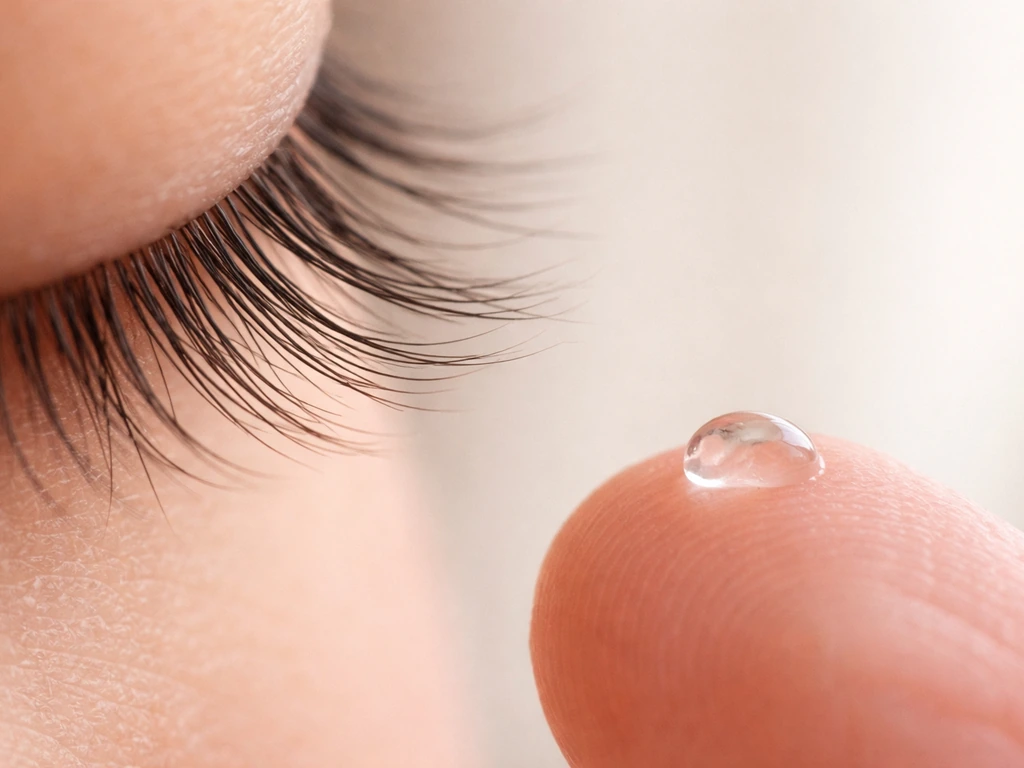
Chapstick will not make your eyelashes grow. It has no ingredient capable of signaling a hair follicle to shift into an active growth phase or stay there longer. What it can do is coat the lash shaft, reduce brittleness from dryness, and cut down on breakage at the tips. That might make your lashes look a little fuller or less frayed, but that is a conditioning effect, not a growth effect. There is an important difference, and once you understand it, you can stop guessing and actually do something that works. Because chapstick is a conditioning barrier and not a follicle signal, it does not help eyelashes grow does kohl help eyelashes grow.
Does Chapstick Help Your Eyelashes Grow? What to Know
Rachel Nguyen
27 May 2026
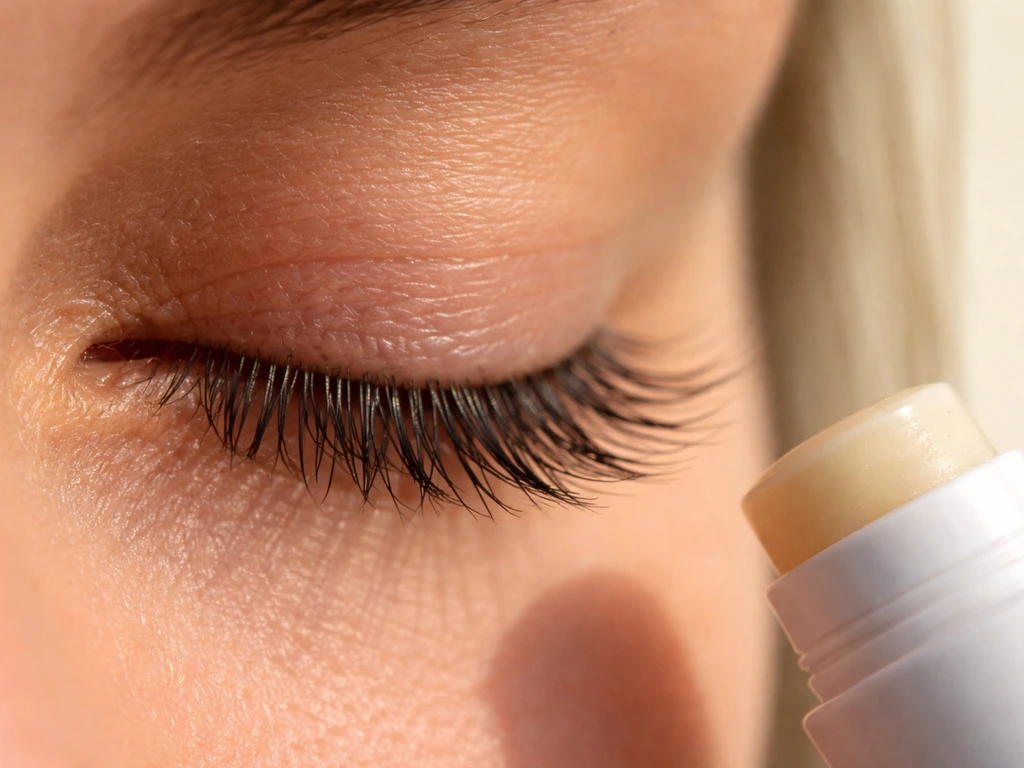
What chapstick actually is (and why that matters here)
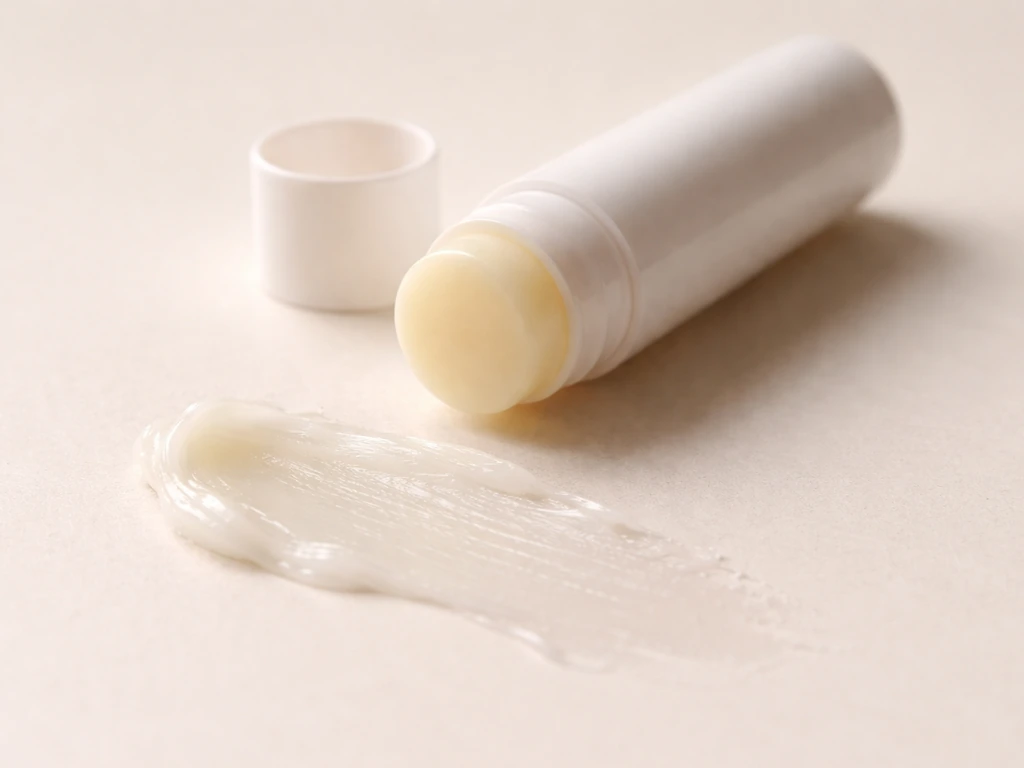
ChapStick Classic Original is essentially a wax-and-oil occlusive. The formula includes white petrolatum, carnauba wax, paraffin, microcrystalline waxes, and emollient oils like light mineral oil, isopropyl myristate, and oleyl alcohol. There is also camphor, fragrance, parabens, and titanium dioxide depending on the variant. Every single one of those ingredients is designed to sit on top of a surface, create a moisture-sealing barrier, and improve how the surface feels. None of them are designed to penetrate to follicle depth, let alone interact with the receptors that regulate hair cycling.
That occlusive function is genuinely useful for lips because the skin there loses water quickly. But an eyelash follicle buried in the eyelid margin operates on a completely different system. If you are thinking about whether does massaging your lips make them grow, the key takeaway is similar: surface conditioning is not the same as follicle-level signaling. Growing a lash requires a pharmacological or biochemical signal that tells the follicle to enter and stay in the anagen (active growth) phase. A wax barrier cannot send that signal. Chapstick does not contain anything that can.
Does chapstick help eyelashes grow? The honest evidence
There is no clinical evidence that chapstick, or any lip balm type product, increases eyelash length or thickness through follicle-level activity. The only ingredient class with real randomized, controlled trial evidence for true eyelash growth is prostaglandin and prostamide analogs, specifically bimatoprost 0.03%. Multiple studies show that bimatoprost applied once daily to the upper eyelid margin produces measurably longer, thicker, and darker lashes compared with a vehicle-only control. The mechanism is well understood: bimatoprost acts on prostamide-sensitive receptors in the hair follicle, pushing follicles from the resting telogen phase into anagen and prolonging how long they stay there. Chapstick has zero mechanism in common with that.
The reason chapstick keeps coming up in lash conversations is that occlusives do have a real, if limited, conditioning effect. If your lashes are dry and brittle, a thin coat of a petrolatum-based product can reduce mechanical breakage, especially if you curl your lashes or sleep with your face pressed into a pillow. Less breakage means you retain more of the length you already have. Some people interpret this as growth. It is not. You are preserving existing length, not generating new length from the follicle. The moment you stop using the product, any conditioning benefit disappears with it.
How to tell if a lash product will actually work
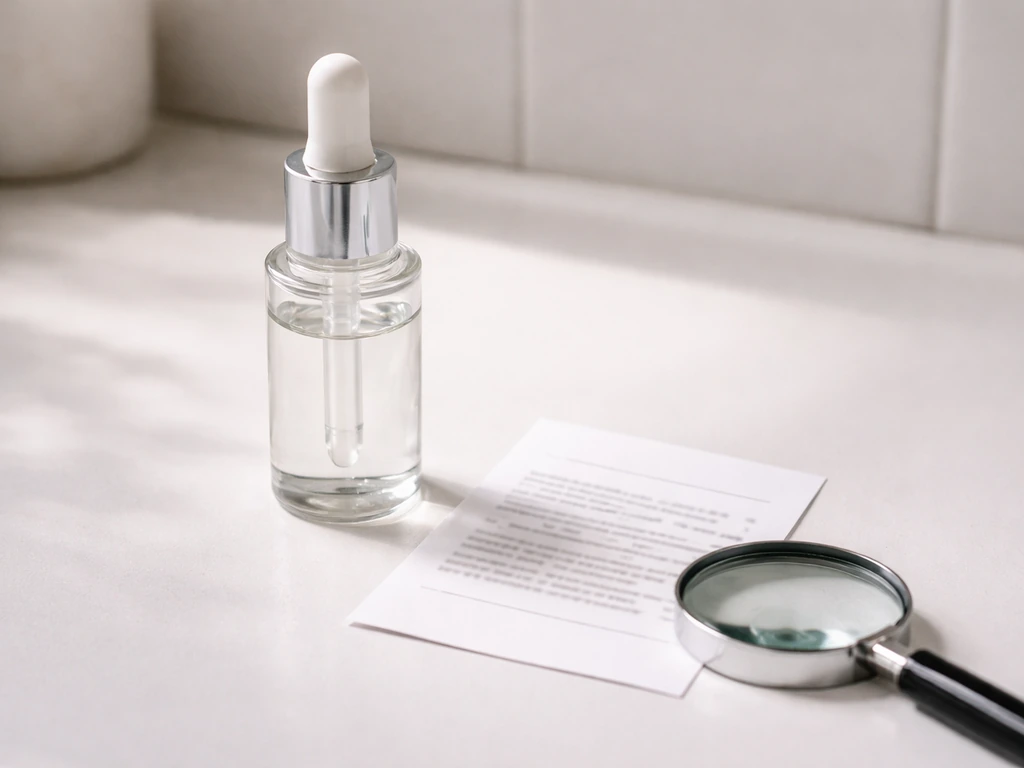
The question to ask about any lash product is simple: does it contain an ingredient that works at the follicle level, and is there clinical evidence for it? Here is how to screen what you are looking at.
- Prostaglandin and prostamide analogs (bimatoprost, latanoprost, isopropyl cloprostenate): the only class with strong randomized controlled trial evidence for increasing lash length, thickness, and darkness by prolonging anagen. Bimatoprost is FDA-approved for eyelash hypotrichosis.
- Peptides (myristoyl pentapeptide, acetyl tetrapeptide): some over-the-counter serums include these with claims of follicle stimulation. The evidence base is weaker than for prostaglandin analogs, but this category is more plausible than pure occlusives.
- Carrier oils with follicle-adjacent benefits (castor oil, argan oil, vitamin E): no strong clinical evidence for growing new lash length, but they condition the shaft, reduce breakage, and castor oil in particular has a long history of anecdotal use with enough of a biologically reasonable rationale (ricinoleic acid as a local anti-inflammatory) to be worth trying if your goal is just to improve appearance.
- Pure occlusives and waxes (petrolatum, carnauba wax, mineral oil): surface-only conditioning. Good for lip moisture. Not a lash growth tool.
Products like chapstick, Carmex, Aquaphor, and similar balms all fall into that last category. They may condition the shaft, but the ingredient profile does not include anything with a known follicle-signaling mechanism. If you are comparing these products in your head, they are essentially equivalent for lash purposes: none of them grow lashes.
Safe ways to actually support eyelash growth at home
If you want to give your lashes the best environment to grow and stay healthy without going the prescription route, a consistent routine matters more than any single product.
- Remove eye makeup gently every night. Use a micellar water or an oil-based remover on a soft cotton pad, and press it against your lids for a few seconds before wiping. Do not rub. Mechanical friction is one of the most common causes of lash breakage and follicle stress.
- Apply a lash-safe oil to the base of the lashes before bed. Castor oil is the most popular choice. Use a clean mascara wand or a small liner brush and coat from root to tip with a thin layer. You do not need much. Pat off any excess that pools on the lid.
- Keep the lash line clean. A buildup of oil, dead skin, and makeup residue can clog the follicle opening and contribute to inflammation. A few seconds of gentle lid hygiene with a diluted baby shampoo or a commercial lid cleanser every few days is sufficient.
- Take stock of your diet and supplement intake. Biotin is frequently recommended and while robust clinical trial evidence is limited, biotin deficiency is associated with hair loss. If your diet is restrictive, adding a B-vitamin complex is a reasonable, low-risk move.
- If you want something stronger than oil, look for an over-the-counter lash serum with a peptide or prostaglandin-analog-adjacent active (like isopropyl cloprostenate). Apply at the base of upper lashes on clean, dry skin at night. Results require consistent daily use for at least 4 to 8 weeks before you will see a difference.
What to avoid putting near your eyes
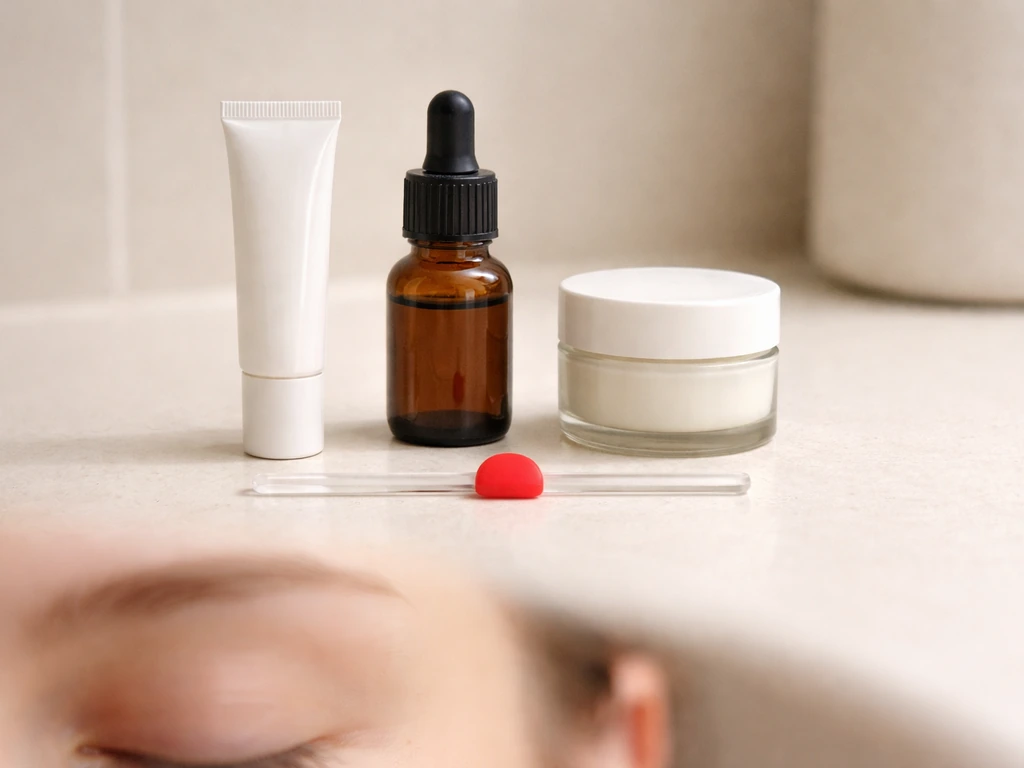
The eye area is genuinely one of the highest-risk zones for topical product reactions. The skin around the lash line is thin, the eye itself is directly adjacent, and anything you apply there can migrate into the tear film. Chapstick specifically raises a few concerns beyond just being ineffective. Prostaglandin-associated periorbitopathy is documented with adverse periocular reactions to topical prostaglandin analogs, including eyelash changes and periocular or eyelid pigmentation Chapstick specifically raises a few concerns beyond just being ineffective..
- Fragrance: ChapStick Classic contains fragrance, which is a common irritant and sensitizer. Near the delicate eyelid skin and mucous membranes, fragrance increases the risk of contact dermatitis and eye irritation.
- Camphor: also in ChapStick Classic. Camphor can cause irritation and a burning sensation on sensitive skin, and it is definitely not something you want in or near your eye.
- Parabens: present in some ChapStick formulations. While the safety debate around parabens is ongoing, applying them to the lash margin means potential mucosal exposure.
- Contamination risk: any product that is applied with fingers or a shared applicator to the lash line and then touched to other surfaces (or stored in a warm, humid bathroom) can harbor bacteria. The eye and lid area are particularly susceptible to infections like styes.
- Occlusive overload: applying a heavy petrolatum or wax layer directly to the lash margin can trap bacteria and sebum at follicle openings, which is especially problematic if you are prone to blepharitis or meibomian gland issues.
- Non-ophthalmic products near the eye: chapstick is not formulated or tested for periocular use. If you are going to apply anything along the lash margin, use a product specifically intended for that area, ideally fragrance-free and preservative-minimal.
If you want to try any topical oil or serum near your lash line for the first time, do a patch test on the inner forearm for 24 to 48 hours first. If you see redness, swelling, or itching, skip it. If you get any burning, stinging, or vision changes when applying anything near your eyes, wash the area immediately and stop use.
How long lash recovery actually takes
This depends entirely on what caused the loss or thinning, and whether the follicle itself is intact. Healthline notes that after eyelash triggers like cuts, burns, or other loss, lashes typically regrow in about six weeks if the follicles are not damaged.
| Cause of loss or thinning | Follicle status | Expected regrowth timeline |
|---|---|---|
| Natural shedding or breakage (no follicle damage) | Intact | Roughly 6 weeks for noticeable regrowth; full cycle 3 to 6 months |
| Extension damage or traction (repeated pulling) | Intact but stressed | 6 to 12 weeks with follicle rest; longer if traction was sustained |
| Rubbing, trichotillomania, or chronic friction | Intact (if recent) or scarred (if long-term) | 6 to 12 weeks if follicles are not scarred; may be permanent if follicle is scarred |
| Blepharitis-related thinning (follicle inflammation) | Intact but inflamed | Weeks to months once inflammation is controlled with lid hygiene and treatment |
| Medication or health-related loss (e.g., chemotherapy, thyroid) | Usually intact, systemically affected | 2 to 6 months after the trigger is resolved or treated |
| Burns or scarring to the lid | Potentially damaged | Permanent if follicle is destroyed; partial regrowth if partially intact |
The full eyelash growth cycle runs through three phases: anagen (active growth, roughly 30 to 45 days for lashes), catagen (brief transition), and telogen (resting before shedding). That is a shorter cycle than scalp hair, which is why damaged lashes can recover faster, but it is also why they shed faster if something disrupts the cycle. Expecting dramatic results in two weeks from any product, including prescription serums, is unrealistic. In bimatoprost clinical trials, measurable changes were typically assessed across multiple months of treatment.
When to stop DIY and see a clinician
Most lash thinning responds to a better routine, some patience, and removing the cause. But there are specific situations where self-managing is the wrong call and you need a dermatologist or ophthalmologist.
- Persistent shedding that is not slowing down after 8 to 12 weeks of good lash hygiene and removing the suspected cause. Ongoing diffuse loss can signal a systemic issue like thyroid dysfunction, iron deficiency, or alopecia areata.
- Visible eyelid inflammation, redness, flaking, or crusting at the lash base that does not clear with consistent lid hygiene over two to three weeks. This pattern suggests blepharitis that may need a topical antibiotic or prescription anti-inflammatory.
- Eyelid swelling, significant pain, or a lump near the lash margin. These signs suggest a stye, chalazion, or eyelid infection that needs medical evaluation, not more oil.
- Lash loss associated with a new medication. Several drug classes including retinoids, anticoagulants, and some chemotherapy agents can cause eyelash loss as a side effect. Talk to the prescribing clinician before adding any topical.
- If you want to use a prescription prostaglandin analog like bimatoprost: this is not an over-the-counter product in most countries. It requires a prescription, and it does carry real side effects including periocular skin pigmentation, eyelid changes, and the potential for iris color change with prolonged or improper use. It should be used under medical supervision, not self-administered based on a forum recommendation.
The bottom line is that chapstick is a moisture barrier for lips. Applying it to your lashes is not dangerous in small amounts on the shaft itself, but it will not grow your lashes, and the fragrance and other additives in most formulations make it a poor candidate for regular periocular use. If you want real lash improvement, start with the basics: gentle makeup removal, a clean lash line, and a targeted serum or oil applied consistently. For anything beyond that, see a clinician who can assess whether there is an underlying cause worth treating.
FAQ
If chapstick does not grow lashes, is it still safe to use near the lash line?
It is not likely to cause new growth, but it can still be a problem if it migrates into the eye or tear film. If you use anything near the lash line, apply only to the lashes and use a very small amount, keep it well away from the waterline, and stop if you notice redness, gritty eyes, or watering.
Where exactly should (or should not) chapstick be applied if I am trying it for conditioning?
Avoid putting it on the actual waterline or directly on the eyelid margin. Those areas are more likely to mix with tears and irritate, and any waxy barrier can be harder to remove cleanly at the end of the day.
How do I patch test a balm or oil around my eyes without making things worse?
Patch testing helps, but it does not guarantee safety. Still, do it first because the periocular skin is sensitive, and irritation can worsen lash shedding. If you get stinging, swelling, or any visual changes, discontinue immediately and rinse.
Can chapstick make eyelashes look fuller even if it does not increase growth?
Yes, but only in the “less breakage, better appearance” sense. If your lashes are actively shedding due to inflammation, blepharitis, allergies, or traction, chapstick will not address the underlying driver and may delay improvement.
What kind of timeline should I expect if I switch from chapstick to an actual lash conditioner or serum?
Expect at most preservation of existing lash integrity. Conditioning products may reduce fraying over days, but true length changes require a follicle-level active ingredient with trial evidence, such as prescription prostaglandin analogs.
What routine changes are most likely to stop lash shedding or breakage before buying another product?
If the lashes are breaking, the first wins usually come from removing friction and harsh removal. Skip rubbing, remove makeup gently, avoid waterproof mascara if it makes you scrub, and consider temporary reduction in curling if curling causes tip snapping.
Could chapstick or similar balms actually cause lash thinning in some people?
It can, but the key is how it is used. Any product can become irritating if you apply it too close to the lash line, use it daily without monitoring, or fail to remove it thoroughly. If symptoms start, switch to a simpler, fragrance-free option and reassess.
When should I stop experimenting and see a dermatologist or ophthalmologist for lash thinning?
If your thinning is patchy, sudden, accompanied by itching or burning, or involves eyebrow thinning too, do not self-treat for long. These patterns can point to inflammatory conditions or dermatologic causes that need an exam, not just conditioning.
Are any non-prescription oils or serums safer or more effective than chapstick for lash improvement?
It depends on the ingredient, but many “natural oils” are still not formulated for periocular use, and they may irritate or trigger allergies. If it is not designed for the eye area, keep it off the eyelid margin, patch test first, and discontinue at the first sign of irritation.
Next Article
Does Aquaphor Make Your Eyelashes Grow? What to Expect
Aquaphor will not reliably grow lashes; learn eyelash biology, safety near eyes, and better options for length and thick