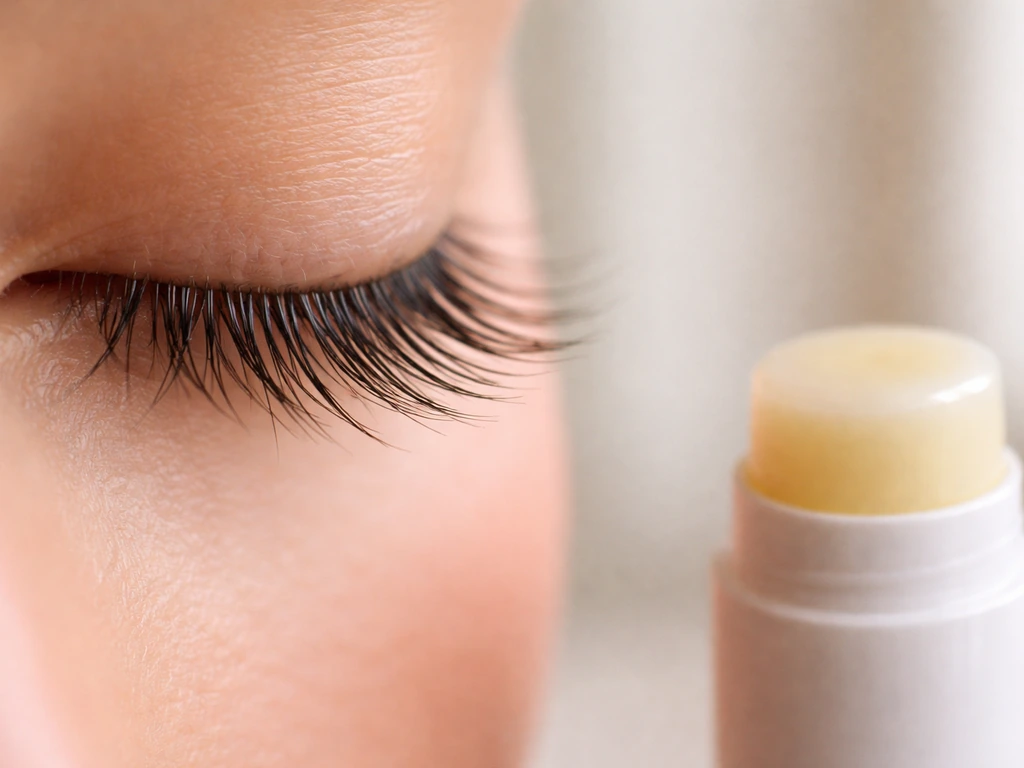
Massaging your lips will not make them permanently larger. What it can do is temporarily increase blood flow and circulation to the area, which creates a short-lived plumping effect that fades within an hour or two. There is no clinical evidence that repeated massage causes lasting structural growth in lip tissue. If you want visible, durable enhancement, massage alone won't get you there, but it can be part of a smart at-home routine that improves texture, hydration, and short-term appearance without irritating your lips further.
Does Massaging Your Lips Make Them Grow? What to Expect
Rachel Nguyen
3 Jun 2026
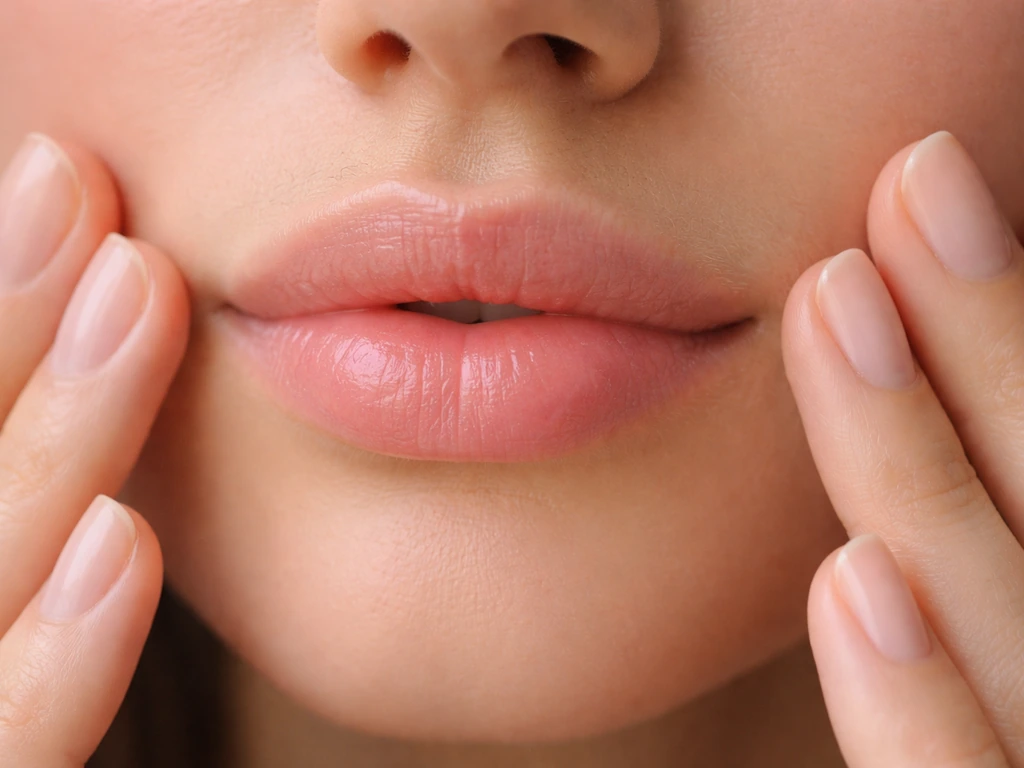
Does lip massage actually affect lip growth?
The short physiological answer is no, not in any meaningful permanent way. Massage increases local circulation and can temporarily move interstitial fluid around, which is why lips may look slightly fuller right after. Research on manual lymphatic drainage shows that gentle pressure (under 40 mmHg) can stimulate lymph flow and reduce localized puffiness, but this is a fluid redistribution effect, not tissue remodeling. Once circulation normalizes, the lip returns to its baseline. There is no mechanism by which repeated rubbing or kneading causes new lip tissue to generate or fat pads to expand.
Studies on topical lip plumpers give a useful comparison. A randomized clinical trial of a ginger-based lip plumper found statistically significant increases in vascularization and volume within the first 30 minutes, followed by a clear decrease in intensity afterward. A separate open-label trial showed about 94% of subjects had improved lip fullness at 15 minutes, dropping only slightly to 89% at one hour, but with no claim of durable structural change. These are product studies, but the principle maps directly to massage: stimulation creates a brief vascular response, and then things return to normal.
What "lip growth" actually means
People searching this question usually mean one of three very different things, and it is worth separating them because the answer changes depending on which one applies to you.
- Temporary plumpness: A short-term increase in visible fullness caused by increased blood flow, inflammation, or fluid movement. This can happen from massage, irritating ingredients, or even minor swelling from cold or heat. It looks like growth but reverses within hours.
- Long-term size increase: A permanent or durable change in the structural volume of your lips, meaning more tissue, more fat, or a measurably larger vermilion border. This does not happen from massage. It requires clinical intervention such as fillers, fat transfer, or surgical augmentation.
- Scar tissue changes: If your lips have scarring from injury, surgery, or chronic inflammation, the tissue behaves differently. Massage is sometimes used in post-surgical scar management to soften raised or tethered scar tissue, which can restore natural contour, but this is a softening and remodeling effect on existing scar, not new growth.
Understanding which category you are in changes what you should actually do. If you want temporary plumpness, massage and the right topical products can help. If you want permanent size increase, manage your expectations with massage and look at clinical options. If scar tissue is the issue, gentle massage has a legitimate evidence-informed role, but it works slowly and benefits from professional guidance.
How lip tissue actually changes over time
Lips do change structurally, but the drivers are biology and damage, not massage. A few things worth knowing:
- Aging: Collagen and elastin in lip tissue gradually break down, fat pads thin, and the vermilion border loses definition. This is why lips appear less full as people age, and it is a structural change, not a hydration issue.
- Sun damage: UV exposure degrades collagen in lip skin and can alter pigmentation and texture. The lower lip, which faces the sun more directly, is more affected.
- Chronic dryness: Lips lack oil glands entirely, which makes them uniquely vulnerable to dryness and barrier breakdown. Repeated dryness and cracking creates micro-inflammation that, over time, can damage the surface texture and make lips look thinner and duller.
- Inflammation and swelling: Conditions like cheilitis (inflammation of the lip vermilion and surrounding skin/mucosa) can cause redness, scaling, and swelling that mimics enlargement. Granulomatous cheilitis, a rare condition, can even produce firm, persistent swelling that eventually becomes permanent, but this is a medical problem, not a cosmetic one.
The key takeaway here is that what looks like "changes in lip size" is almost always a change in hydration state, surface texture, inflammation level, or structural aging, not actual tissue growth. Addressing the right cause matters more than any single technique.
What the evidence actually says about at-home lip enhancement
A 4-week open-label study of a combination topical lip treatment measured both moisturizing benefit and plumping effect using a digital caliper. The results showed consistent improvement in the appearance of fullness and volume, but the mechanism was hydration and barrier restoration, not structural tissue growth. A scoping review of lip augmentation approaches noted clearly that many non-surgical techniques affect perceived fullness without equating to permanent structural volume gain. A separate systematic review of non-filling augmentation methods made the same point: appearance changes and true volumetric growth are not the same thing.
Even procedures like the lip flip (a botulinum toxin injection that everts the upper lip) show the pattern. A 2026 study using 3D stereophotogrammetry found a modest but significant increase in upper lip height at 15 days, but no measurable change in actual lip volume. That is a clinical procedure, and even it does not create real growth. Massage is a much milder intervention, so it is reasonable to expect correspondingly modest, temporary effects.
Devices marketed as "lip collagen stimulators" make longer-term claims, but these come from manufacturer marketing, not independent clinical trials. There is currently no robust evidence that massage-based devices produce lasting structural lip growth.
A safe at-home lip routine that actually works
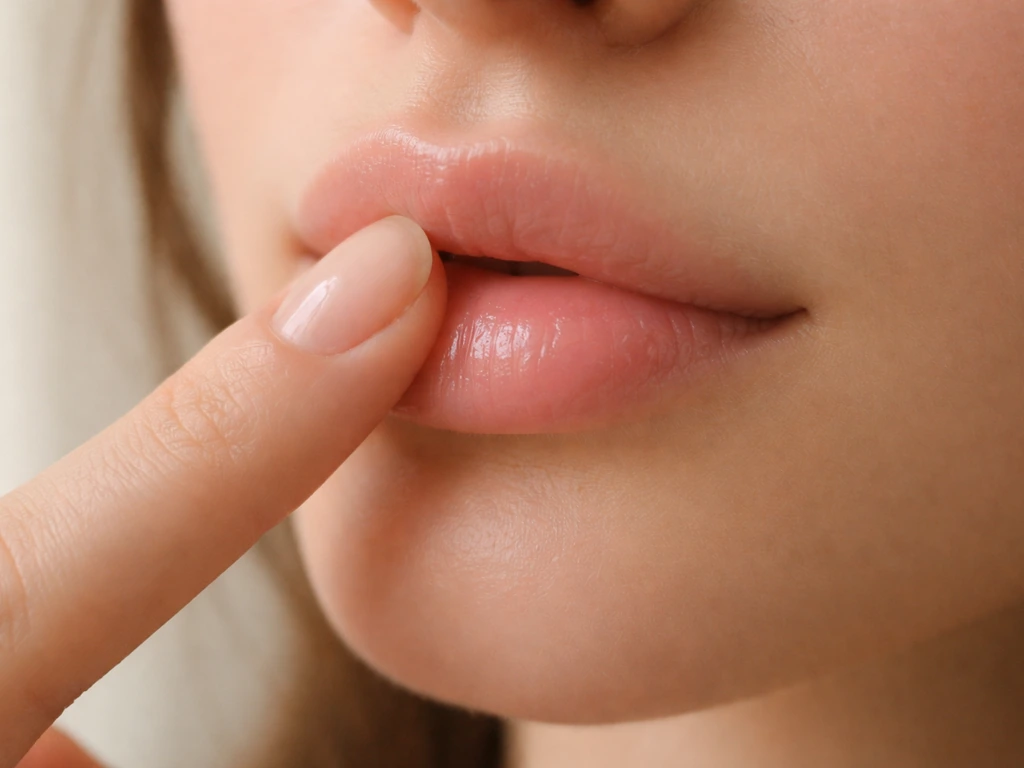
If your goal is better-looking lips, a consistent, gentle routine beats aggressive stimulation every time. Here is what to do and what to skip.
Technique and frequency
Use the pad of a clean fingertip or a soft toothbrush (reserved only for this purpose). Apply a gentle, fragrance-free lip balm first so you are never massaging dry skin. Using a fragrance-free lip balm before and after gentle massage helps protect and hydrate the skin, but it does not provide enough evidence to make eyelashes grow. Use light, circular motions across the entire lip surface for 30 to 60 seconds, once daily. Do not press hard. Pressure above about 40 mmHg can actually impair lymphatic function rather than support it, so light contact is the goal. After massaging, apply a generous layer of barrier-focused balm and leave it on.
Once daily is enough. More frequent manipulation increases the risk of micro-irritation, which leads to inflammation rather than improvement. If your lips feel raw, sore, or look redder after a session, you are using too much pressure or going too long.
What to use
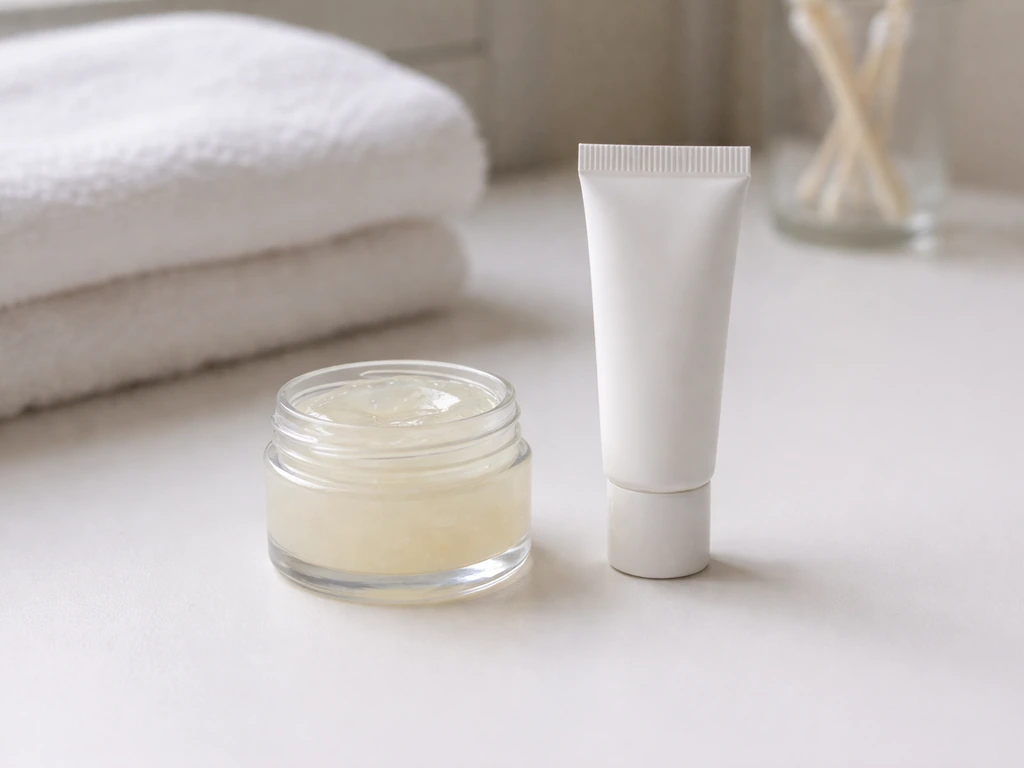
- Plain petrolatum (Vaseline) or a simple ceramide-based lip balm as your base layer before and after massage
- Fragrance-free, dye-free formulations without flavoring agents
- Vitamin E oil or a non-comedogenic plant oil (like jojoba or sweet almond) as a massage medium if you want something richer than balm
- A soft, damp cloth for very gentle surface exfoliation once or twice a week maximum, if flaking is a persistent issue
What to avoid
This is where most people go wrong. The AAD specifically advises stopping lip products that contain flavoring ingredients like cinnamon, citrus, mint, and peppermint when lips are already chapped or irritated, because these act as irritants on compromised skin. Cleveland Clinic and DermNet NZ both flag menthol, camphor, and salicylic acid as ingredients that can worsen dryness or trigger contact dermatitis in sensitive individuals. A review on lip-licking dermatitis adds fragrances, camphor, and cinnamon to the list of common lip balm ingredients that can cause ongoing eczematous cheilitis. The irony is that many "lip plumping" balms contain exactly these stimulating ingredients to create a tingling sensation that mimics plumpness but actually causes mild irritation.
- Avoid lip scrubs with sugar or abrasive particles if your lips are broken or inflamed
- Skip any product with cinnamon, peppermint oil, menthol, camphor, or citrus extracts
- Avoid medicated balms with phenol or salicylic acid unless specifically directed by a dermatologist
- Do not use toothpicks, derma rollers, or any device with sharp contact on lip skin
- Stop any product that causes persistent stinging, peeling, or swelling beyond a few minutes
Comparing your at-home options
| Method | Mechanism | Effect Duration | Risk Level | Evidence Strength |
|---|---|---|---|---|
| Gentle finger massage | Temporary increased circulation | 30-90 minutes | Low (if technique is correct) | Mechanistic, no RCT for lips specifically |
| Bland barrier balm (petrolatum/ceramide) | Restores moisture, reduces trans-epidermal water loss | Hours; improves with consistent use over 2-3 weeks | Very low | Strong (AAD-supported) |
| Topical lip plumper (ginger, cinnamon) | Irritant-induced vascular response | 30-60 minutes | Moderate (irritation risk) | Short-term effect confirmed; no permanent growth |
| Combination topical lip treatment | Hydration plus surface fullness appearance | Days with consistent use | Low | 4-week clinical data supports appearance improvement |
| Soft cloth gentle exfoliation (1-2x/week) | Removes surface flaking, improves texture | Immediate surface improvement | Low if not overdone | Practical, barrier-based logic |
When to see a clinician instead of trying this at home
Most lip appearance concerns are benign and respond to consistent home care within two to three weeks, which is the timeline the AAD cites for healing chapped lips when irritants are removed and barrier care is used. Cleveland Clinic notes that chapped lips often heal faster with early treatment and explains that lips are especially vulnerable to dryness and irritation because they lack oil glands. But there are specific signs that should prompt a dermatology or GP appointment rather than more self-treatment.
- Persistent asymmetry: One lip is visibly larger than the other and has not normalized after two weeks without an obvious cause like injury or dental procedure
- Firm, recurring swelling: Episodes of swelling that keep returning or gradually get bigger over weeks or months, which can be a sign of granulomatous cheilitis or Melkersson-Rosenthal syndrome features rather than cosmetic variation
- Pain, cracking, or bleeding that does not heal: Angular cheilitis or other inflammatory conditions typically need treatment; Healthline recommends evaluation if lip lesions do not clear within about two weeks or are worsening
- Reaction to products: If your lips consistently get redder, more swollen, or more irritated after using lip products, allergic contact cheilitis (confirmed by patch testing) is possible and needs diagnosis, not more product experimentation
- Scarring from previous injury or surgery: If you are massaging to soften scar tissue after a lip procedure or trauma, doing this without guidance risks worsening fibrosis; get a professional assessment first
- Any sudden unexplained swelling with other symptoms: Swelling alongside facial asymmetry, neurological changes, or systemic symptoms needs urgent medical evaluation
Realistic expectations and timelines
Here is what you can actually expect from a consistent at-home routine, with honest timelines:
| Goal | What's Realistic | Timeline |
|---|---|---|
| Temporary plumper appearance | Achievable with massage or mild stimulating products | 30-90 minutes per session |
| Improved texture and smoothness | Achievable with daily bland balm and gentle massage | 1-2 weeks of consistent use |
| Reduced dryness and flaking | Very achievable by removing irritants and using petrolatum-based care | 2-3 weeks (AAD-supported) |
| Permanent lip size increase | Not achievable with massage | Not applicable |
| Scar softening (post-procedure) | Possible with proper massage technique | 6-12 weeks minimum, with professional input |
| Visible durable volume | Requires clinical intervention (fillers, fat transfer) | Immediate to weeks depending on procedure |
A practical trial period for at-home massage and barrier care is four weeks. If you are consistent with a gentle technique, fragrance-free products, and no irritating ingredients, four weeks is enough time to see whether your lip texture, hydration, and day-to-day appearance have genuinely improved. If you have not seen any change in texture or comfort by then, massage is not your limiting factor, and the underlying cause (dryness, diet, irritant exposure, or something medical) needs addressing instead.
One more thing worth noting: some products people use around the eye area, like Aquaphor, Chapstick, lip balm, and similar occlusive balms, occasionally come up in the context of lash care as well. If you are wondering whether Aquaphor makes your eyelashes grow, the most realistic takeaway is that it may help keep lash-adjacent skin comfortable, but it does not add lash length like a true growth treatment. The same logic applies across both areas: occlusive, fragrance-free products support barrier function and reduce irritation, while stimulating or flavored ingredients can cause contact reactions. Whether you are caring for lip skin or lash-adjacent skin, the principle of keeping the barrier intact with bland ingredients is consistent across the evidence. The same goes for lash-adjacent skin: gentle, barrier-supporting care matters more than trying to force growth. If you are wondering whether Carmex can make your eyelashes grow, it is important to know that similar barrier and irritation principles apply, and lasting growth is not supported by evidence lash-adjacent skin. That same barrier-and-sensitivity approach is also relevant when deciding whether kohl helps eyelashes grow does kohl help eyelashes grow. There is also no solid clinical evidence that does paw paw cream make your eyelashes grow, so any change would be temporary.
FAQ
Why do my lips look slightly bigger immediately after massaging, and will that last longer?
It can look fuller right after because massage temporarily increases blood flow and shifts fluid toward the lip surface. If you do not see any short-lived improvement within the first few minutes, it usually means dry, irritated, or inflamed skin is the real issue, not circulation.
Is it safe to massage when my lips are chapped or cracking?
Do not add massage if your lips are actively cracked, bleeding, blistered, or burning. In that state, friction and extra pressure can worsen irritation, so switch to barrier repair (plain, fragrance-free balm) until the surface is calm.
How often should I massage my lips, and what if I want faster results?
Try only once daily for a limited test window (up to 4 weeks). If you need more frequency to see results, that is often a sign the technique is too aggressive or you are using an irritating balm, which can backfire.
What are the signs that my lip massage is too harsh?
Use light contact, stop if you feel stinging, and avoid tools with hard bristles or sharp edges. If your lips get redder, feel raw, or develop a persistent rash, reduce pressure or stop and reassess ingredients rather than “pushing through.”
What kind of results should I realistically expect, and how long do they usually last?
The goal is texture and hydration, not structural change. After a session, you can expect modest improvements in smoothness and comfort for the rest of the day if you use a bland occlusive layer; any visible fullness should fade within about 1 to 2 hours.
If massage does not grow lips permanently, what should I do instead if I want lasting change?
If you are aiming for permanent-looking enhancement, massage alone is unlikely to help. Consider evidence-based medical options (for example, volume procedures for true structural changes) and use massage only as a supportive routine for hydration and appearance.
Does lip scar massage work differently than “normal” lip massage?
If you have scar tissue from injury or prior procedures, gentle massage may help soften and remodel tissue over time, but it should be guided. If the scar is tender, thickening, or changing rapidly, ask a clinician before starting to avoid making it more inflamed.
Why do “plumping” or tingly lip balms sometimes make my lips worse?
If your balm contains common irritants that create a tingling plumping effect, massage can intensify dermatitis. Choose fragrance-free, flavor-free balms, and avoid cinnamon, citrus, mint/peppermint, menthol, camphor, and salicylic acid, especially when your lips are already compromised.
Can I combine lip massage with exfoliants or other lip treatments?
Avoid “stacking” multiple aggressive steps, like exfoliating plus massage plus a strong plumper. A simple sequence tends to work best: apply a bland balm first, do gentle massage briefly, then reapply barrier balm, once daily.
Is it okay to use the same approach (massage and barrier balm) for lash-adjacent skin?
Yes, but be careful: rubbing or massaging near the eyes can irritate delicate tissue, and lash-area products may include fragrances or sensitizers. Stick to bland, fragrance-free products on lash-adjacent skin and stop if you get itching, redness, or swelling.
Next Article
Does Lip Balm Help Your Eyelashes Grow? What Works
Find out if lip balm grows eyelashes, or just conditions. Learn what works for length, thickness, safety, and timelines.