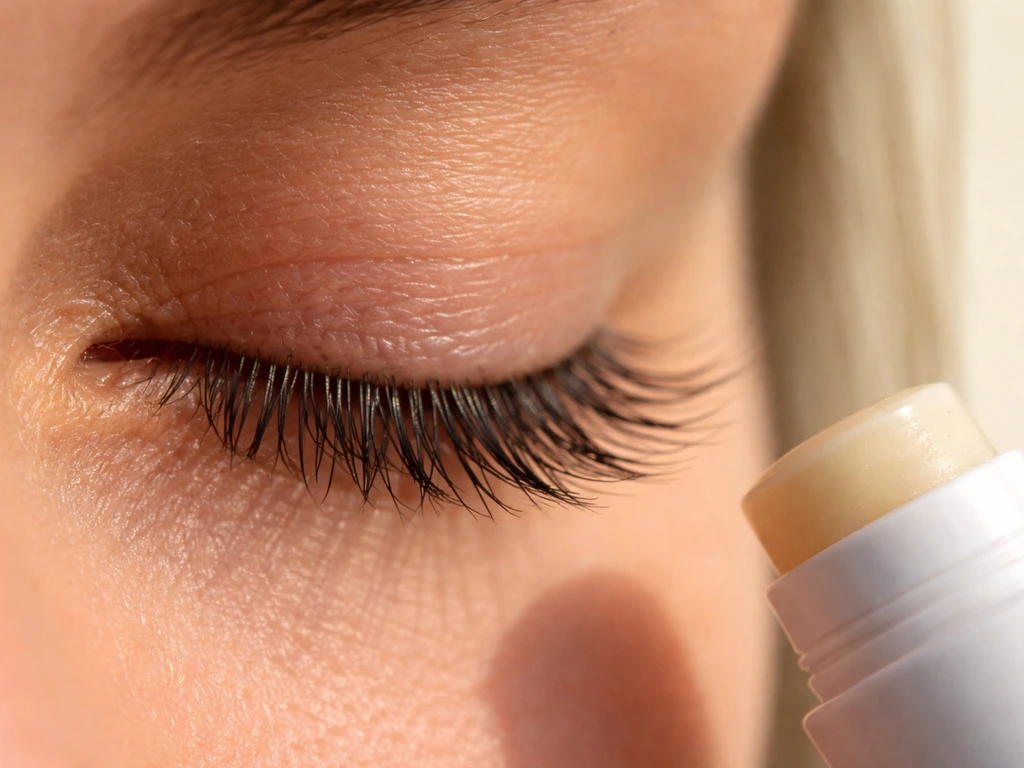
Lip balm does not make your eyelashes grow. It can condition the lash shaft, reduce brittleness, and make lashes look slightly shinier in the short term, but none of those effects touch the follicle. Actual lash growth, meaning longer and thicker lashes over time, requires stimulating the hair follicle from within, and lip balm ingredients simply do not do that.
Does Lip Balm Help Your Eyelashes Grow? What Works
Rachel Nguyen
29 May 2026
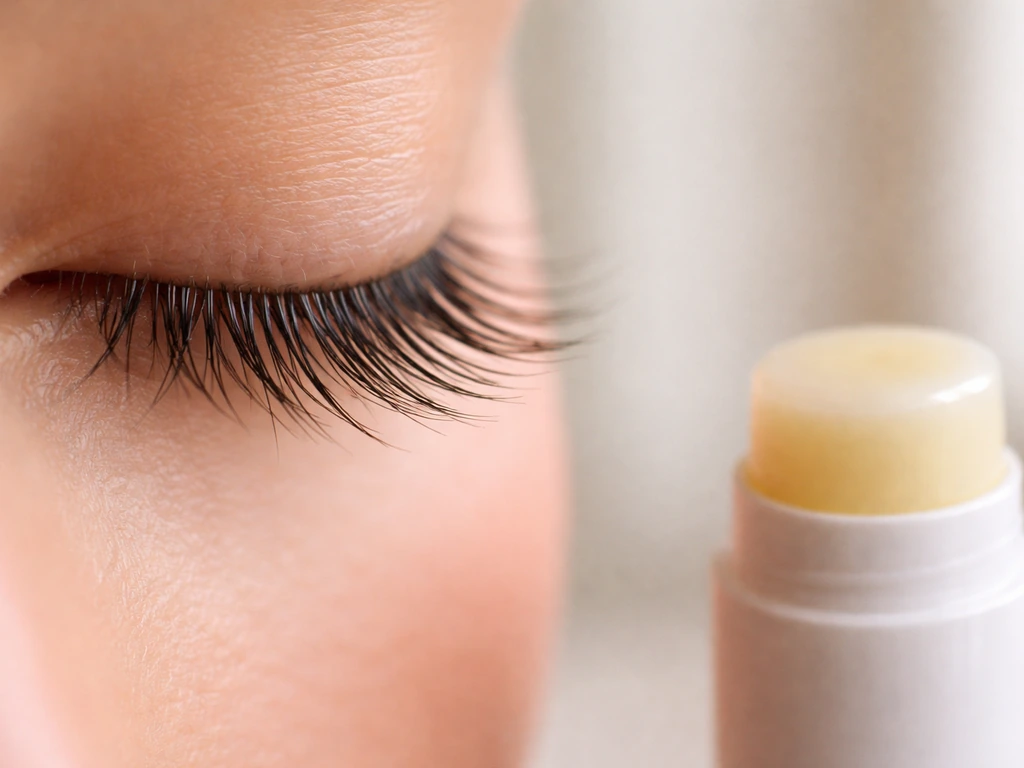
Growth vs. appearance: what lip balm actually does to lashes
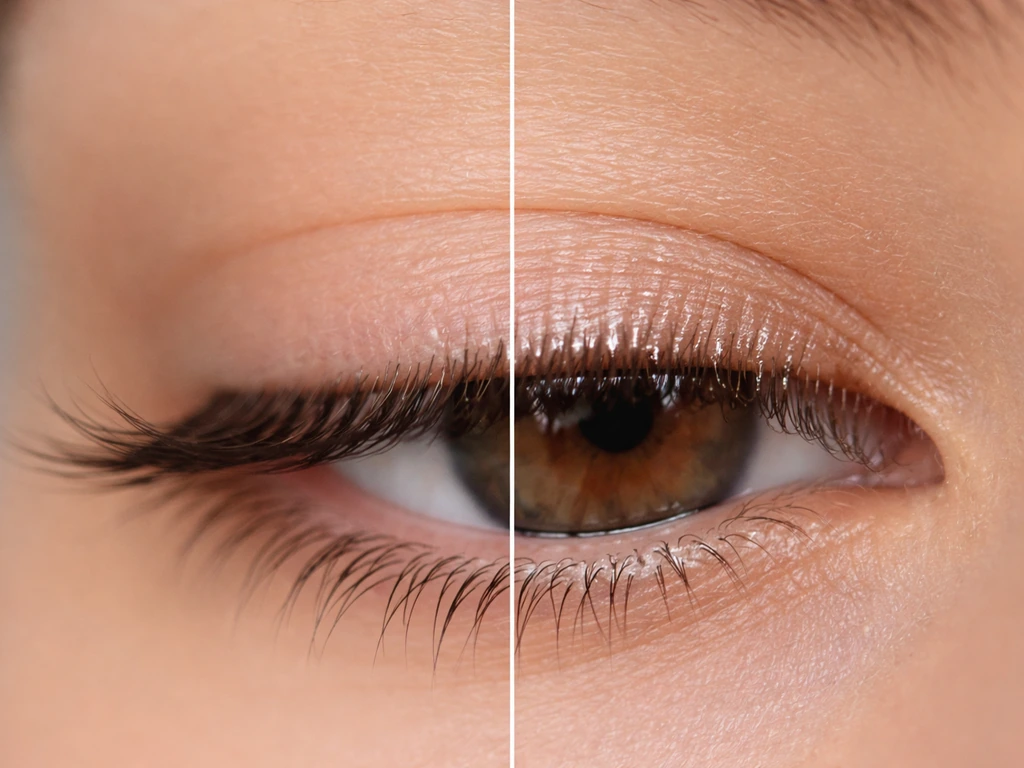
There's a meaningful difference between making lashes grow and making lashes look better, and lip balm falls firmly in the second category. When you swipe something occlusive like petrolatum or a wax blend onto your lashes, you're coating the outside of the hair shaft. That coating can temporarily reduce moisture loss from the shaft, soften dry or brittle lashes, and give them a subtle sheen. If your lashes are snapping off at the tips because they're dehydrated, some conditioning can reduce that breakage, which means you're retaining more length you've already grown. That's a real, if modest, benefit.
But retaining lash length is not the same as producing new lash length. Growth happens underground, inside the follicle, controlled by your hair cycle. Lip balm sits on the surface of the skin and on the shaft itself. It has no pathway to influence the follicle biology that determines how long your anagen (growth) phase lasts or how quickly your lashes cycle. So if your lashes are thin, sparse, or slow-growing, lip balm won't change that. Lip balm does not make lashes grow, but it can help you retain and protect the length you already have does kajal make eyelashes grow.
Why the eyelash follicle ignores lip balm entirely
Eyelash follicles run through three phases: anagen (active growth), catagen (a brief transition of roughly 15 days), and telogen (resting). The full cycle from root to shed lash takes approximately 4 to 11 months, which is much shorter than scalp hair. The key limiter on lash length is how long your individual follicles stay in anagen. If your anagen phase is short, your lashes peak at a shorter length before they fall out and the cycle restarts. No amount of surface conditioning changes that timeline.
The only agents shown to actually push follicles into or extend the anagen phase are pharmacological ones. Bimatoprost, a prostaglandin analog, is the clearest example. It works by stimulating resting telogen follicles to re-enter the growth phase, which is why it produces measurable increases in lash length, thickness, and darkness. That mechanism, acting directly on follicle receptors, is categorically different from what a wax-and-oil emollient does sitting on top of your skin. Lip balm has no prostaglandin activity, no follicle-signaling compounds, and no absorption pathway relevant to lash biology.
Ingredient-by-ingredient: what's in lip balm and how it behaves near eyes
Lip balms are formulated for lip skin, which is thicker and less reactive than eyelid skin. The eyelid is one of the thinnest, most sensitive areas on the body and sits directly adjacent to your eye and lash follicles. That matters a lot when you're evaluating ingredient safety.
| Ingredient | What it does on lashes | Risk near eyes |
|---|---|---|
| Petrolatum (petroleum jelly) | Occlusive; coats shaft and reduces moisture loss | Generally low irritation risk; can cause milia or clog follicles in oily-prone people |
| Beeswax / carnauba wax | Film-forming; adds texture and sheen | Low irritation risk; can block follicle openings with heavy or repeated use |
| Castor oil (when included) | Emollient; softens shaft | Low risk; well-tolerated near eyes and used intentionally in lash products |
| Coconut or jojoba oil | Light emollient conditioning | Usually well-tolerated; low risk |
| Fragrance / flavor compounds | Added for scent or taste (lip function only) | Significant risk: fragrances are among the most common causes of eyelid contact dermatitis and allergic reactions near eyes |
| Menthol / camphor | Cooling sensation for lips | Can cause irritation, burning, or stinging if it migrates into the eye; not appropriate near the lash line |
| Essential oils | Scent or perceived soothing | Known triggers for eyelid eczema and contact dermatitis in sensitive individuals |
| Synthetic dyes / colors | Tinted formulas | Potential sensitizer; no benefit near lashes |
The ingredients in plain, unflavored lip balm (petrolatum, basic waxes) are relatively low risk near the lash line. The problem is that most lip balms on the market include fragrance, flavor compounds, menthol, camphor, or essential oils, and those ingredients have a real track record of causing eyelid dermatitis and allergic reactions. The FDA notes that allergic reactions to cosmetics most often show up as itchy, red contact dermatitis, and fragrances are consistently listed as a leading trigger for eyelid reactions specifically. If you develop itching, redness, or swelling on your eyelid, that inflammation can itself damage lash follicles and worsen the very thinning you're trying to fix.
What actually works for real lash growth and thickening
If your goal is genuinely longer, thicker lashes, your options fall into two tiers: clinical and at-home.
Clinical options
Bimatoprost ophthalmic solution 0.03% (sold as Latisse) is the only FDA-approved treatment for eyelash hypotrichosis. It's applied once daily to the upper eyelid margin with a sterile applicator, and clinical studies show it increases lash length, thickness, and darkness. It does come with real side effects to weigh: eye itching, conjunctival redness, eyelid skin darkening, and with prolonged use, a risk of periocular fat changes (prostaglandin-associated periorbitopathy) that can give a sunken appearance. blank" rel="noopener noreferrer">The FDA label also specifically warns against applying it to the lower lash line. This is a prescription product for a reason. It belongs in a conversation with a dermatologist or ophthalmologist, not a DIY routine.
It's worth knowing that over-the-counter lash serums containing prostaglandin analogs exist too. RANZCO (the Royal Australian and New Zealand College of Ophthalmologists) has issued a position statement warning that these cosmetic serums can cause the same periocular side effects as prescription products, including iris pigment changes and periorbitopathy, without the medical oversight. If you're considering a lash serum with that ingredient class, it's worth talking to an eye professional first.
At-home options with reasonable evidence
- Castor oil: a thick, ricinoleic-acid-rich oil that's well-tolerated near the eye and widely used for lash conditioning. It won't stimulate follicles the way bimatoprost does, but it coats and protects the shaft effectively without the fragrance and flavor risks in lip balm. If you're going to apply something to your lashes nightly, a plain cold-pressed castor oil on a clean spoolie is a smarter choice than lip balm.
- Peptide-based lash serums: some over-the-counter serums use peptides and growth-factor adjacent ingredients to support follicle health. Evidence is more limited than for prostaglandins, but they carry a much lower side-effect profile.
- Biotin supplementation: biotin deficiency can contribute to hair fragility, but supplementing when you're not deficient hasn't been shown to produce dramatic lash growth. It may support overall hair health if your diet is lacking, but don't expect it to be a standalone solution.
- Addressing the root cause: if lash loss is coming from blepharitis, extensions-related traction alopecia, rubbing, or an underlying medical condition (thyroid issues, alopecia areata, nutritional deficiency), treating the cause is what restores lashes, not adding a conditioning product on top.
Short-term fixes: reducing breakage and making lashes look fuller now
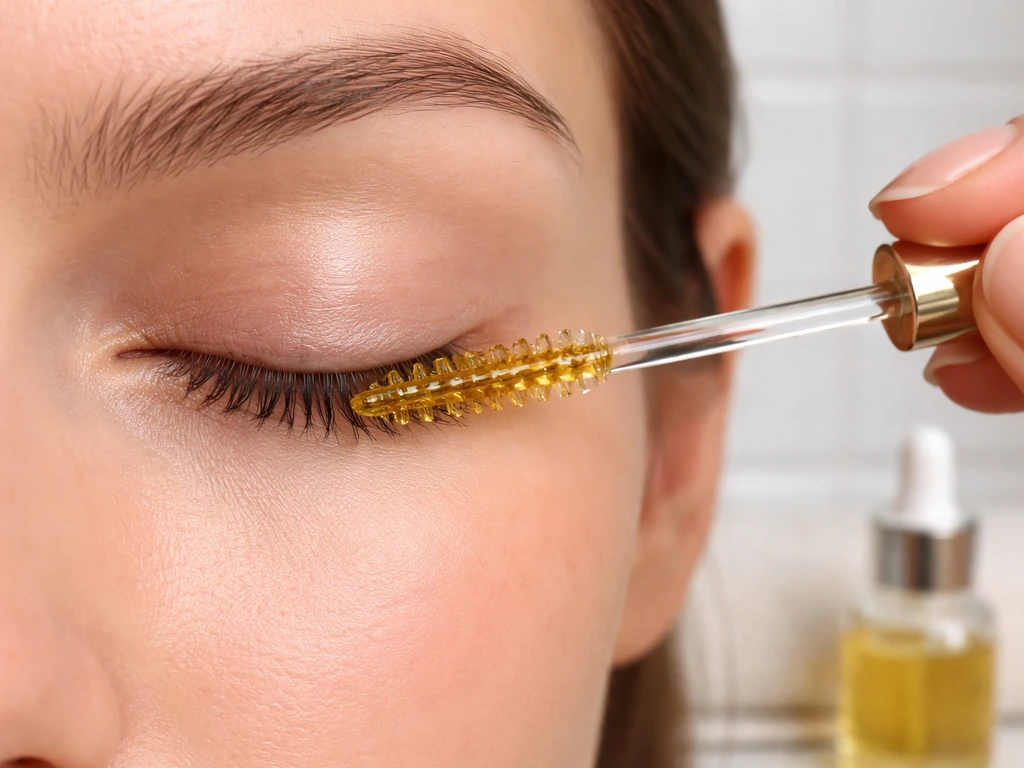
If you're waiting for real regrowth and want to look better in the meantime, here's what actually helps. Conditioning the lash shaft with a gentle, fragrance-free emollient (castor oil or plain petroleum jelly applied carefully) can reduce shaft breakage and keep lashes from snapping before they reach their natural length. Avoiding waterproof mascara, which requires heavy rubbing to remove and causes mechanical breakage, also makes a meaningful difference. Switching to a gentle oil-based makeup remover and patting rather than rubbing the eye area keeps existing lashes intact.
If you've recently come off lash extensions, give yourself at least a full month before evaluating how sparse your natural lashes are. Traction from extensions can cause temporary shedding, and lash follicles generally recover. The issue is that people often start aggressively applying products in that window when patience is actually the better move.
Products like Aquaphor and plain petroleum jelly, which are similar to what you'd find in a basic unflavored lip balm, can play a protective role on the lash shaft without the added irritant risk from flavored or fragranced lip balm varieties. You may also be wondering, does Aquaphor make your eyelashes grow, and the answer is no. The conditioning logic is roughly the same, but the formulation is safer near the eye.
How to apply anything near the lash line without causing problems
The area around your eye is unforgiving when you get application wrong. Folliculitis (infected hair follicles) on the eyelid is uncomfortable and can temporarily worsen lash loss. Here's how to apply any lash product safely.
- Always start with a clean eye. Remove all makeup and wash hands thoroughly before touching the lash line.
- Use a clean spoolie brush or sterile applicator, not your fingertip, to apply product to the lash base. Fingers carry bacteria that can cause hordeolum (styes) or blepharitis when introduced to the follicle area.
- Apply only to the upper lash line. The lower lash line is in much closer proximity to the eye surface, and products migrate. This is the same reason the Latisse FDA label specifically warns against lower-lash application.
- Use less than you think you need. A thin coat is enough. Heavy application increases the chance of product migrating into the eye.
- Change applicators regularly. A used spoolie holds bacteria. If you're dipping into a product nightly, use a fresh applicator every few days or wash it with gentle soap.
- Stop immediately if you notice redness, itching, swelling, or changes in vision. Those are signs the product is causing a reaction and continuing will make things worse.
If you're using lip balm specifically: check the ingredient list first. If it contains menthol, camphor, fragrance, flavor compounds, or essential oils, it's not appropriate near your eyes regardless of how gentle it feels on your lips. A plain petrolatum-based balm with no added scent or flavor is lower risk, but even then, you'd be better served by products actually formulated for the periocular area.
Realistic timelines and when to see a professional
The eyelash growth cycle runs approximately 4 to 11 months from start to finish. That means if your lashes have been damaged or shed, you're looking at weeks before regrowth is visible and several months before you see a real difference in fullness and length. That's not a failure of your routine; it's just how follicle biology works. Expecting lip balm or any cosmetic product to accelerate that is setting yourself up for frustration. So no, massaging your lips is not going to make your lashes grow faster because growth depends on the follicle’s anagen cycle does massaging your lips make them grow.
After stopping lash extensions or reducing mechanical damage (rubbing, harsh makeup removal), most people start seeing lash recovery within 6 to 8 weeks, with closer to full density returning by the 3 to 6 month mark. If you're not seeing any regrowth after 3 months of consistent gentle care, that's a signal to dig deeper.
See a dermatologist or ophthalmologist if: your lashes are falling out in patches rather than gradually thinning, you have persistent eyelid inflammation or scaling (possible blepharitis), you've been through chemotherapy or a major hormonal shift, you have an autoimmune condition like alopecia areata or lupus, or your lash loss is accompanied by eyebrow loss. These are presentations where the cause is systemic or follicle-destructive, and conditioning products won't address them. Madarosis (lash loss) has a broad list of causes including thyroid dysfunction, blepharitis, trichotillomania, and autoimmune disease, and identifying the right cause is what determines the right treatment.
The bottom line is that lip balm is a lip product. If you are wondering does kohl help eyelashes grow, the evidence still points back to follicle biology rather than surface coatings like lip balm. It can do mildly useful things for lash shaft conditioning if the formula is simple and fragrance-free, but it cannot grow your lashes. If you want conditioning without the irritant risk, there are better-formulated options available. And if you want actual growth, that conversation belongs with your follicles and, where needed, with a clinician.
FAQ
If lip balm does not grow lashes, why do people say it helped them?
Most “results” come from reduced breakage, improved sheen, or the fact that lashes are already in their natural recovery window (for example after stopping extensions or changing makeup removal). Because lashes shed on a 4 to 11 month cycle, a true change in density takes time, and surface conditioning can look like growth if you retain more of the lashes you already have.
Is it safe to put lip balm on my eyelids or lash line?
It’s riskier than it sounds. Eyelid skin is thin and more likely to react to fragrance, flavor compounds, menthol, camphor, and essential oils. Even with a simple petrolatum or wax balm, you should avoid getting product into the eye and stop if you develop itching, redness, or swelling.
What ingredients in lip balm should I avoid for lash use?
Avoid any formula that includes menthol, camphor, fragrance or perfume components, flavor compounds, or essential oils. These are common triggers for eyelid contact dermatitis, and inflammation can worsen lash loss. Choose an unflavored, fragrance-free petrolatum-based product if you use anything at all near the lashes.
Can lip balm make my lashes fall out if I use it too often?
It can, indirectly. If a product irritates the eyelid, it can trigger dermatitis or worsen blepharitis, which may increase shedding. Also, heavy or frequent occlusive use can contribute to clogged, irritated eyelid margins in some people, so “more” is not better.
Does petroleum jelly or Aquaphor work the same way as lip balm for lash conditioning?
They can have similar surface-conditioning benefits because they are also occlusive, but the key difference is formulation intended for periocular use. Even then, you still want fragrance-free products and careful application that avoids the eye.
Will lip balm help if my lashes are sparse from a medical cause?
No, if the cause is follicle-impacting, surface conditioning won’t fix it. Patchy loss, persistent eyelid inflammation, scaling at the lid margin, eyebrow loss, or lash loss after chemo or major hormonal changes are situations where you should get evaluated because treatments depend on the underlying cause.
How long should I wait to judge whether any lash routine is working?
Visible improvement is usually weeks after damage-reduction, but meaningful fullness typically takes 3 to 6 months because the growth cycle limits how quickly you see new length. If you have no improvement after about 3 months of gentle, consistent care, it’s a sign to look deeper rather than keep adding products.
Is there a safer way to apply conditioning to prevent lash breakage?
Use a tiny amount and apply only to the lash shaft, not the eyelid margin, and avoid rubbing. A better approach is gentle, fragrance-free removal at night and a light conditioning step, especially if your lashes are dry and snapping at the tips.
Does massaging my lashes with lip balm improve growth?
No. Massaging can increase irritation or mechanical stress, but it won’t change the anagen phase of the follicle. If your goal is reduced breakage, focus on protection from friction and harsh removal rather than rubbing.
What is the biggest mistake people make when they try to use lip balm for eyelashes?
Using a fragranced or medicated lip balm near the eye, or applying so close to the lash line that it gets onto the eyelid margin or into the eye. The second common mistake is expecting faster regrowth than the follicle cycle allows, then escalating product use when nothing is changing.
Next Article
Does Chapstick Help Your Eyelashes Grow? What to Know
Does Chapstick grow lashes? Evidence says no true growth, but it may reduce breakage. Safety tips and real options.