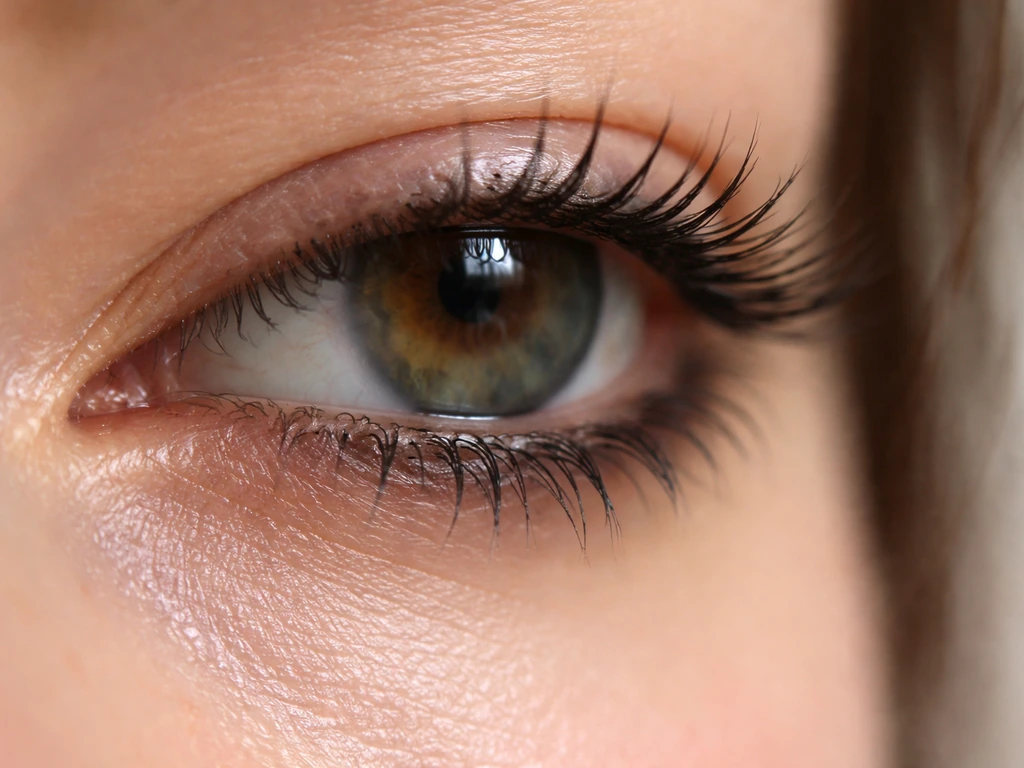
Paw paw cream will not make your eyelashes grow. It can condition the lash shaft, reduce brittleness, and make lashes look a little shinier and smoother, but none of its typical ingredients act on the follicle in a way that triggers new growth or extends your lash cycle. If you are hoping for longer, thicker lashes from paw paw cream, you are working with the wrong tool for that job. If you just want healthier-looking lashes that break less, it is a reasonable low-risk option with a few safety caveats worth knowing first.
Does Paw Paw Cream Make Your Eyelashes Grow? Facts and Tips
Rachel Nguyen
17 Jun 2026
What paw paw cream actually contains (and why it matters for lashes)
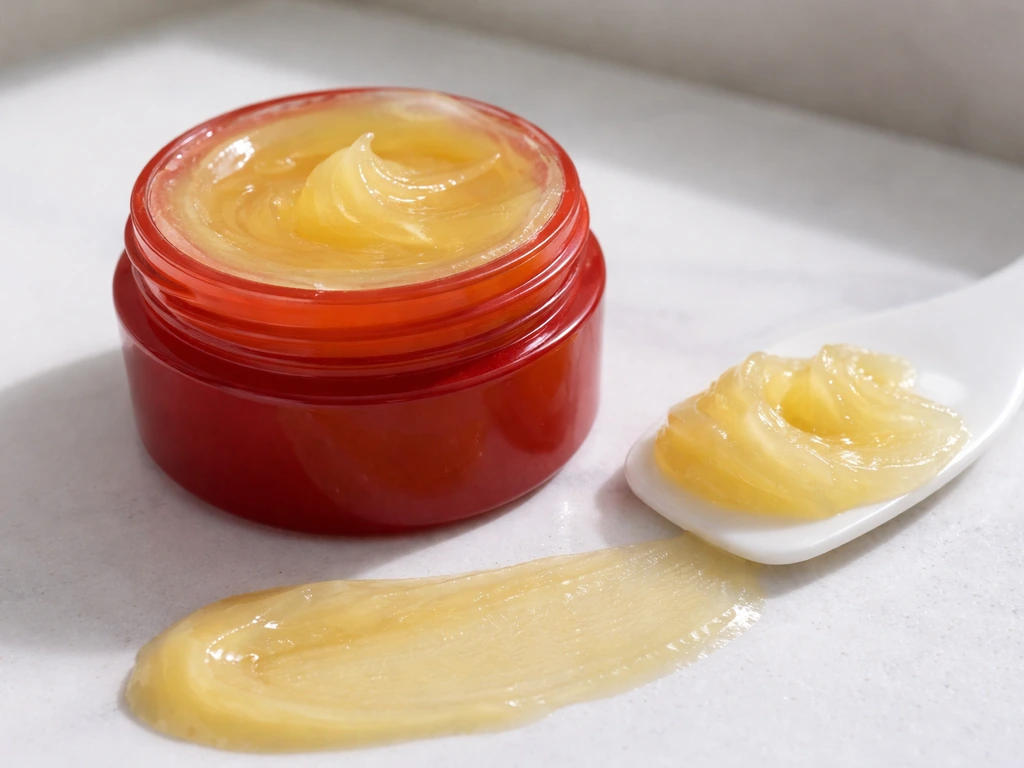
Most paw paw ointments, including the popular Lucas' Papaw Ointment, are built on a petroleum jelly (petrolatum) base. Petrolatum is a heavy occlusive, meaning it sits on top of the skin and shaft surface and seals in moisture rather than penetrating anything. Beyond that base, most formulas add emollient oils or waxes such as canola oil, hydrogenated castor oil, and beeswax, plus a papaya (Carica papaya) extract and a preservative system, commonly potassium sorbate or sodium benzoate.
Some paw paw products from other brands also include emulsifiers like polysorbate 60, additional preservatives like phenoxyethanol and ethylhexylglycerin, and occasionally fragrance or flavoring components. Some paw paw products list ingredients such as polysorbate 60 and preservatives like phenoxyethanol and ethylhexylglycerin, sometimes alongside fragrance or flavoring components. That last detail matters when we are talking about eye-area use, because fragrance is one of the most common triggers for eyelid contact dermatitis.
The papaya extract itself is the ingredient most people think of when they imagine this cream doing something special. Fresh papaya contains papain, a proteolytic enzyme, but the processing and preservation required to make a shelf-stable ointment largely deactivates that enzyme activity. What you are mostly left with is mild antioxidant compounds and a pH-adjusted extract that contributes little to lash growth biology. There is no bimatoprost, no prostaglandin analog, no peptide complex, and no growth factor. The formula is effective at what it does (sealing moisture, soothing dry or chapped skin) but it was never designed to stimulate hair follicles.
Does conditioning equal growth? Setting realistic expectations
This is where a lot of people get confused, and it is worth separating three different outcomes that often get lumped together under 'my lashes look better.'
- Temporary appearance improvement: Your lashes look darker, shinier, or slightly more defined right after applying a balm or occlusive. This is the petrolatum doing what it does. It goes away when you wash your face.
- Reduced breakage and improved lash retention: If your lashes are dry and brittle (from extensions, harsh removers, or rubbing), a conditioning occlusive can reduce physical breakage at the shaft. This means more of your existing lashes reach their full natural length before snapping off. Your lashes may genuinely look fuller over a few weeks, but only because you stopped losing them prematurely, not because new ones grew faster.
- True follicle-level growth: This means the anagen (active growth) phase of the lash cycle is lengthened, more follicles are recruited into growth, or the lash itself grows thicker from the root. Paw paw cream does not do this. This outcome requires ingredients that actually affect follicle signaling, like prostaglandin analogs (bimatoprost), certain peptides, or in some cases minoxidil.
If your lashes have been damaged by extensions or repeated rubbing, outcome number two is real and worth having. You might see a noticeable difference after four to six weeks simply because you stopped breaking off lashes that were already there. But if your lash loss is coming from an underlying medical cause, a thyroid issue, alopecia, or medication side effects, paw paw cream will not address any of that.
What the evidence says (and where it runs out)
There is no clinical research directly testing paw paw cream on eyelash growth. So, does Carmex make your eyelashes grow? The best answer is that it may help condition lash shafts, but it does not have clinical evidence proving true lash growth from the follicle. What does exist is broader research on petrolatum and occlusive emollients for skin barrier repair, and a smaller body of work on papaya-derived compounds for skin and hair.
On the petrolatum side, the evidence is clear and well-established: it is one of the best occlusive agents available, highly effective for reducing transepidermal water loss and protecting compromised skin barriers. The American Academy of Dermatology consistently recognizes it as a safe, effective moisturizer. For eyelid skin that is dry, flaky, or mildly irritated (which can affect the microenvironment around the follicle), this has indirect value.
On the papaya side, some in vitro studies show papain and papaya-derived compounds have antioxidant and mild anti-inflammatory activity. A few studies have looked at papaya leaf extracts in the context of wound healing and skin texture. None of this research translates directly into follicle stimulation, and none of it was conducted on eyelashes. Applying that evidence to lash growth is a stretch that is not supported by the data.
There is also research showing that castor oil, another popular natural lash remedy, has some evidence for reducing hair breakage and improving shaft hydration, similar in mechanism to what paw paw cream provides. Neither castor oil nor paw paw cream has robust randomized controlled trial data showing they grow lashes at the follicle level, but castor oil at least has more community data and a longer track record specifically on lash and brow use. The comparison with castor oil and other natural options matters here, and I will get into it in the comparison section below.
How to use paw paw cream safely near the eyes
If you decide to try paw paw cream for lash conditioning, the application method matters a lot because the eye area is sensitive and you genuinely do not want product getting onto the ocular surface.
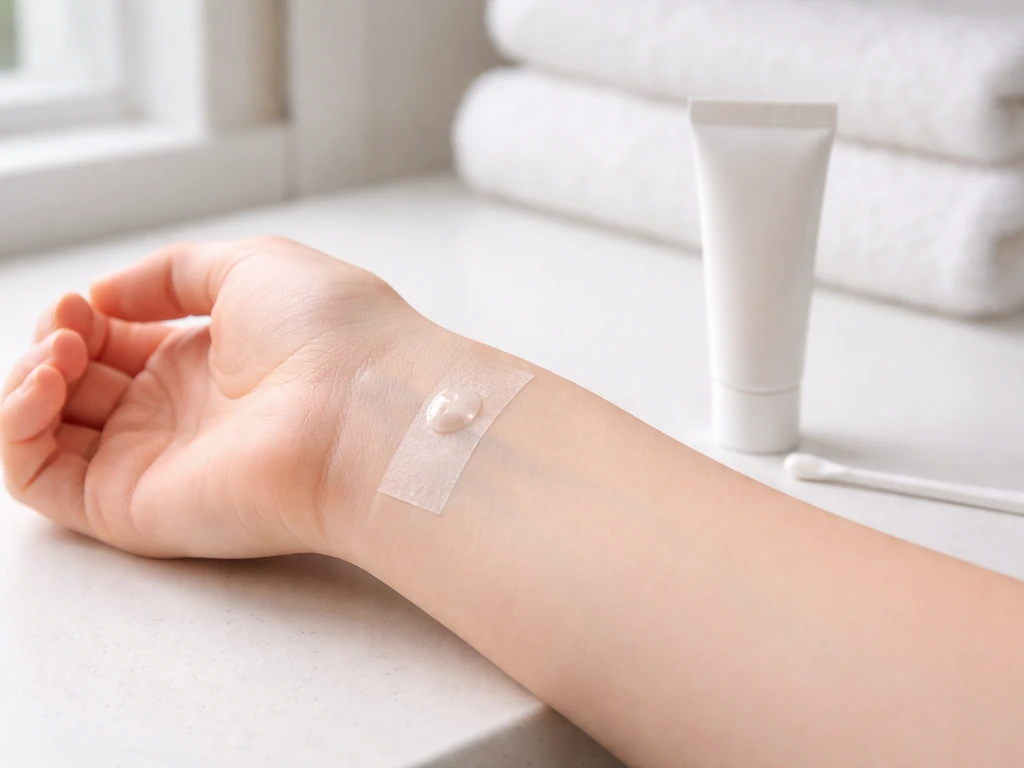
- Patch test first: Apply a small amount of the cream to the inside of your wrist or behind the ear and wait 24 to 48 hours. If you get redness, itching, or swelling, do not use it near your eyes. This is especially important if the formula contains fragrance or phenoxyethanol.
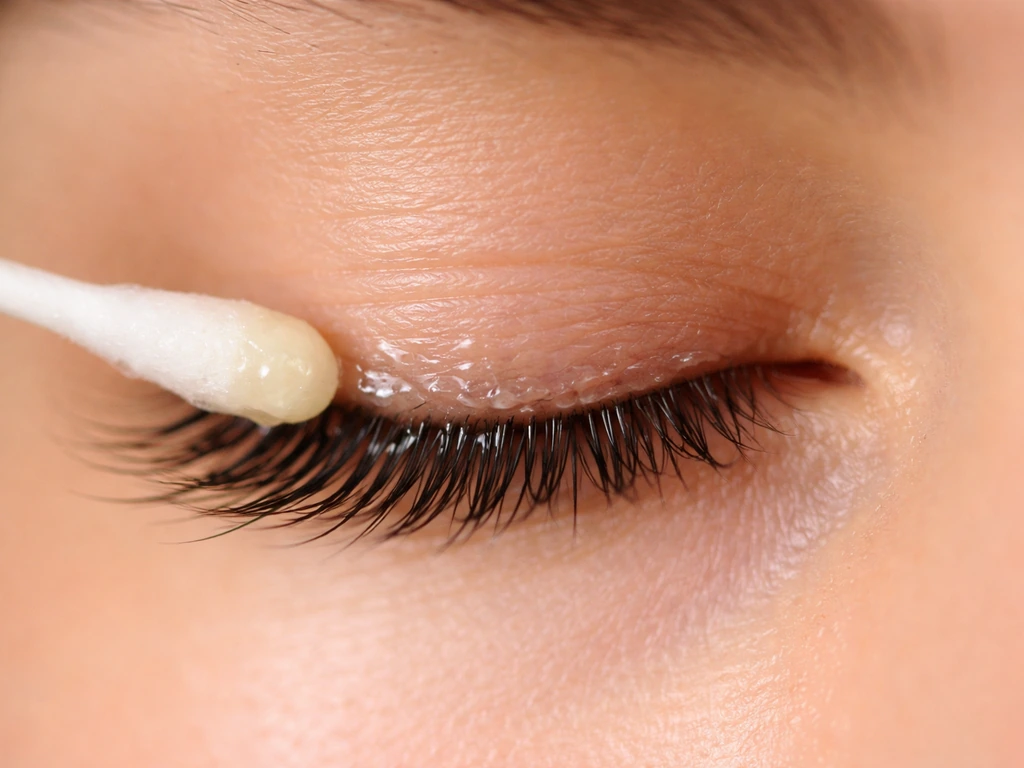
- Use a clean spoolie or cotton swab: Never apply with your finger directly from the pot. Contamination risk is real. Dip a clean, disposable spoolie or a fresh cotton swab into the product, then apply it to the lash shafts only.
- Stay above the lash line: Your target is the lash shaft and, at most, the very base of the lashes where they meet the lid. Avoid applying directly to the inner lash line (the waterline) or to the eyelid skin if it is already irritated or inflamed.
- Apply at night: Because paw paw ointments are thick and occlusive, night use is more practical. Apply after removing makeup and cleansing, let it sit, and rinse gently in the morning.
- Close the lid tightly and do not share: The FDA specifically highlights that shared eye cosmetic products and testers carry contamination risk. If you are using a pot of paw paw ointment near your eyes, treat it like an eye product: close it after every use and keep it personal.
The FDA's guidance on eye cosmetic safety also advises against using any product near the eyes if the surrounding skin is inflamed or infected. The FDA’s eye cosmetic safety guidance also notes that the risk of ocular surface and eyelid dermatitis increases when eye cosmetics come into contact with the eyelids or lash line, so you should avoid them if you have an eye infection or inflamed periocular skin advices against using any product near the eyes if the surrounding skin is inflamed or infected. If you have active blepharitis, a stye, or any kind of eye infection, hold off until that resolves.
Potential side effects, allergies, and contamination risks
The eyelid skin is among the thinnest skin on the body, which makes it especially reactive to topical ingredients. Even products considered very safe for general skin use can cause problems when applied repeatedly to the periocular area.
- Fragrance sensitivity: Formulas that include fragrance or flavoring are a real risk for eyelid contact dermatitis. Symptoms include redness, itching, scaling, and swelling of the eyelid skin. This can look like an infection but is actually an allergic or irritant reaction.
- Preservative reactions: Phenoxyethanol and potassium sorbate are generally considered low-risk preservatives, but some individuals do react to them, particularly with repeated close-to-eye application.
- Papaya latex allergy: People who are allergic to latex have a documented cross-reactivity with papaya proteins. If you have a latex allergy, papaya-containing products carry an elevated risk of allergic reaction.
- Pot contamination: Thick ointment pots are a breeding ground for bacteria if you repeatedly dip fingers or used tools into them. If you are applying near the eye, always use a fresh applicator.
- Getting product into the eye: Petrolatum-based products can blur vision if they migrate onto the ocular surface. This is usually temporary but uncomfortable. It can also theoretically create a film that reduces oxygen exchange on the corneal surface if it gets into the eye repeatedly.
None of these risks are reasons to avoid paw paw cream entirely, but they are reasons to be thoughtful about application hygiene and to choose a fragrance-free formula if you are specifically using it near the eyes.
How paw paw cream compares to other lash options
To give you a clear picture of where paw paw cream fits, here is how it stacks up against the main alternatives across the dimensions that actually matter for lash growth.
| Option | Evidence level for growth | Mechanism | Timeline | Risk level |
|---|---|---|---|---|
| Paw paw cream | No growth evidence; conditioning only | Occlusive/emollient, reduces breakage | 4-6 weeks for breakage reduction | Low if fragrance-free; moderate if fragranced |
| Castor oil | No strong RCT data; community evidence for conditioning | Occlusive + ricinoleic acid, may support scalp/lash retention | 4-8 weeks for visible retention improvement | Low; possible folliculitis with overuse |
| Peptide lash serums (OTC) | Some emerging evidence; moderate support | Keratin-supporting peptides, may stimulate follicle signaling | 8-12 weeks for measurable growth | Low to moderate; check ingredient list |
| Bimatoprost (Latisse) | Strongest evidence; FDA-approved for lash growth | Prostaglandin analog extends anagen phase | 8-16 weeks for full results | Moderate; requires prescription, possible iris pigmentation |
| Minoxidil (off-label) | Good evidence for scalp hair; limited but promising for lashes | Vasodilator, prolongs anagen phase | 12-16 weeks | Moderate to high; not currently approved for lash use |
| Lip balm / ChapStick / Aquaphor | No growth evidence; conditioning only | Occlusive emollient, same mechanism as paw paw | Similar to paw paw cream | Low if fragrance-free |
Paw paw cream sits in roughly the same category as using Aquaphor, a plain lip balm, or ChapStick near the lash line: it is an occlusive moisturizer that can reduce breakage but does not stimulate growth. If you are already using one of those alternatives with no issues, paw paw cream offers similar benefits and similar limitations. If your goal is actual length and thickness from follicle-level activity, you need to move up the evidence ladder toward peptide serums or, if the situation warrants it, prescription bimatoprost.
Best next steps based on your situation
The right next step depends on why your lashes are not where you want them to be. Here is how to think about it practically.
If your lashes are damaged from extensions, rubbing, or harsh products
This is the scenario where paw paw cream makes the most sense as a short-term tool. If you are wondering, “does kajal make eyelashes grow,” the key idea is that most conditioning products do not rebuild follicles, they mostly improve breakage and hydration. Your follicles are likely fine and your lash cycle is intact, but your shafts are brittle and breaking before they reach full length.
Use a fragrance-free paw paw ointment or plain petrolatum-based balm nightly on the lash shafts for four to six weeks. Stop using the thing that was damaging them (mechanical extensions, oil-based makeup removers used aggressively, habitual rubbing). Within one full lash cycle, roughly six to eight weeks, you should see noticeably fuller lashes. If you do not, the problem is not breakage.
If you want genuinely longer or thicker lashes than you have naturally
Paw paw cream is not going to get you there. If you are wondering whether ChapStick can do the same thing for lash growth, the answer is no. Start with an OTC peptide lash serum applied to the lash base daily and give it a full twelve weeks before judging results. If you want faster or more pronounced results, talk to a dermatologist about bimatoprost (Latisse). It is the only FDA-approved topical treatment for lash growth, and the clinical data behind it is solid. Expect eight to sixteen weeks for full effect.
If you are losing lashes and are not sure why
Skip the home remedies entirely as a first step and get a basic workup. Lash loss can be a sign of hypothyroidism, alopecia areata, trichotillomania, blepharitis, or nutritional deficiencies. No amount of occlusive balm will fix a thyroid issue. A dermatologist or your GP can run bloodwork and rule out systemic causes in a single visit. Once you know the cause, you can match the treatment to it properly.
Signs paw paw cream is not doing anything useful for you
If after six to eight weeks of consistent nightly use you see no change in lash fullness, no reduction in visible lash loss on your pillow or makeup remover pad, and no improvement in shaft texture, move on. Paw paw cream either was not the right tool for your problem or the breakage reduction benefit does not apply to your situation. That is your signal to reassess the cause of your lash concerns and consider a treatment with stronger evidence behind it.
FAQ
If paw paw cream does not grow lashes, why do some people swear it helps?
No. Paw paw cream can make lashes look smoother and less brittle, but it does not activate the follicle or extend the lash growth cycle. If you want true new growth, you would need options with proven follicle-targeting effects (for example, prescription bimatoprost) rather than an occlusive conditioning balm.
How long should I try paw paw cream before deciding it is not working?
The most common reason is reduced breakage and improved hydration, not new follicles. A practical check is to compare lash ends and shedding patterns, if your lashes stop snapping mid-shaft or you see less loss over a full lash cycle (about 6 to 8 weeks), the benefit is likely conditioning.
What is the safest way to apply paw paw cream near the eyes?
Apply only to the lash shaft or lash line skin that is not inflamed, using a clean fingertip or applicator. Avoid the inner waterline, do not drag product into the eye, and stop immediately if you feel burning, itching, or watery eyes.
Can I use paw paw cream on eyelids if I have irritation or a stye?
If your eyelids are already irritated or you have blepharitis, a stye, or any active eye infection, wait until it resolves. Using ointments over inflamed skin can worsen contact dermatitis or trap irritants near the ocular surface.
Is there a way to lower the risk of an allergic reaction from paw paw cream?
Yes, fragrance and some added preservatives can increase the risk of eyelid contact dermatitis, especially with repeated periocular use. Choose a fragrance-free, simple petrolatum-based product and patch test on the skin behind the ear for a day or two before using it near the lash line.
What if my lash thinning is caused by something like thyroid disease or alopecia?
Do not use it to replace medical treatment. If your lash loss is driven by thyroid disease, alopecia areata, medication side effects, or a chronic eyelid condition, the underlying issue will still progress without targeted therapy.
Will paw paw cream help more for breakage versus true lash shedding?
It may help a bit more if your main issue is brittleness from extensions, heavy mascara wear, or frequent rubbing, because occlusives can reduce moisture loss and shaft damage. It will not correct genetic short lashes, follicle miniaturization, or systemic causes of shedding.
Can I use paw paw cream along with a lash growth serum?
If you plan to switch, separate “conditioning” products and “growth” products by timing only if needed for comfort. In many cases people start with an OTC peptide serum at the lash base daily and stop using additional heavy occlusives near the base to avoid smearing and irritation.
What should I do if paw paw cream changes nothing after 6 to 8 weeks?
If there is no improvement in lash fullness, lash texture, and visible shedding after 6 to 8 weeks of consistent use, it is a signal the problem is not breakage hydration. At that point, reassess the cause and consider moving up the evidence ladder or getting a medical workup.
When should I stop home care and see a dermatologist or GP?
Yes. If you are losing lashes with eyebrow thinning, scalp hair thinning, fatigue, or other systemic symptoms, you should consider asking your clinician about bloodwork and other causes. Also get checked sooner if loss is patchy or fast, since some causes require early treatment.
Next Article
Does Kajal Make Eyelashes Grow? What to Know Now
No, kajal usually won’t grow lashes. Learn why it may look thicker, plus safer steps to regrow and protect them.