
Kohl does not stimulate eyelash growth. Wearing it can make lashes appear darker, more defined, and subtly fuller in the moment, but there is no biological mechanism by which kohl triggers follicle activity or extends the anagen (growth) phase of your lash cycle. Worse, many traditional kohl formulations contain lead and other heavy metals that can irritate the lash line, trigger contact dermatitis, and actually worsen lash shedding over time. If longer, thicker lashes are the goal, kohl is the wrong tool for the job.
Does Kohl Help Eyelashes Grow? Facts, Risks, and Alternatives
Rachel Nguyen
22 Jun 2026
What kohl actually is (and why it looks like it's doing something)
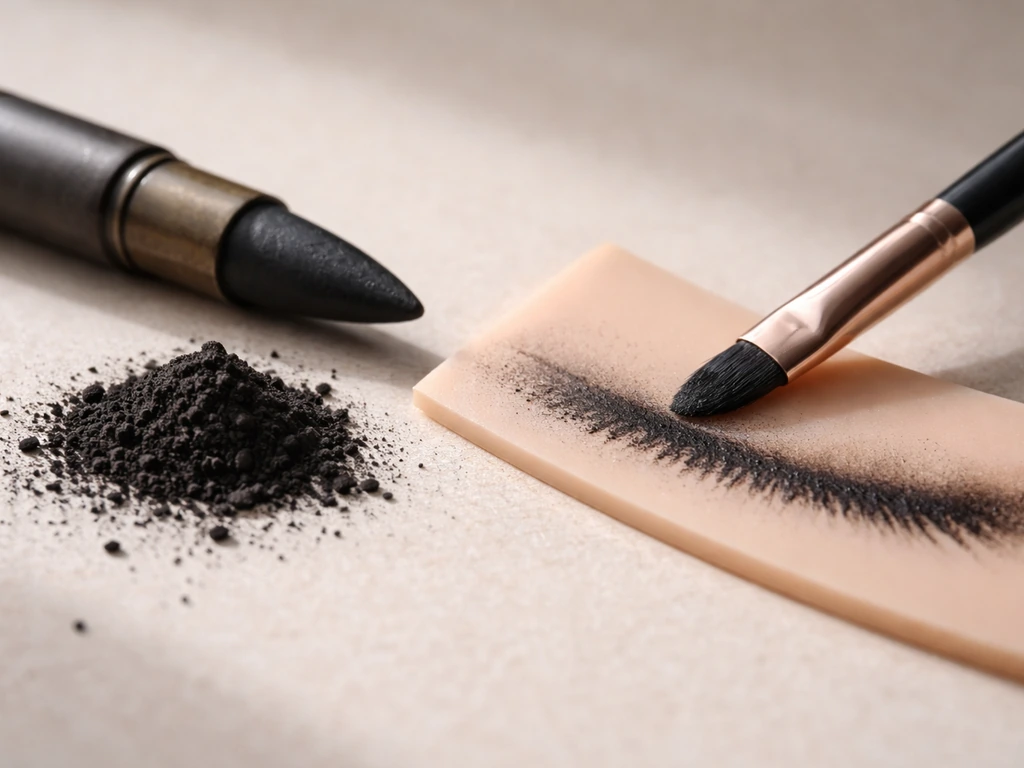
The word "kohl" gets used loosely to describe two very different things. Traditional kohl, also called kajal, surma, tiro, or al-kahal depending on the region, is an ancient eye preparation made from ground minerals, soot, galena (lead sulfide), and various plant or animal-derived ingredients. It is applied with a stick or finger to the waterline and inner rim of the eye. Modern "kohl eyeliner" sold in drugstores is usually just a soft pencil or gel liner with pigment suspended in wax, and while companies use the word kohl for marketing, it often bears little resemblance to the traditional formula.
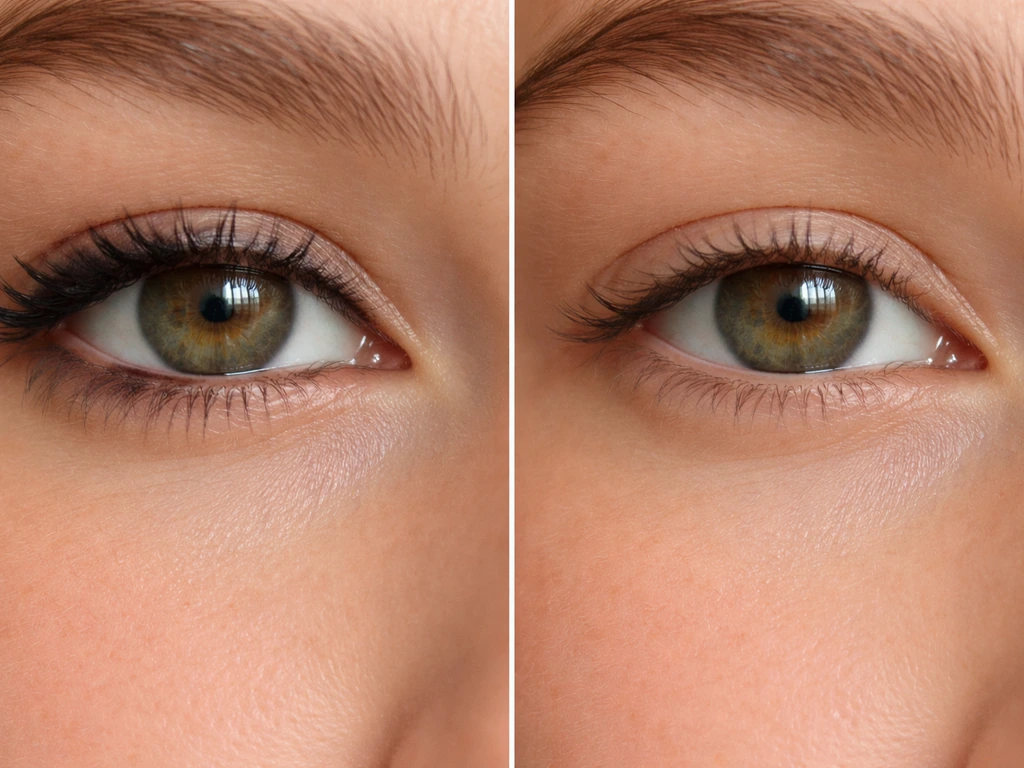
The reason people associate kohl with fuller-looking lashes comes down to simple cosmetic optics. A dark pigment applied at the lash base creates contrast against the skin, which makes individual lashes look thicker and the lash line look denser. The tinting effect also makes short, fine lashes more visible. None of this is growth, it is just color doing what color does. The same effect happens with mascara or any dark liner applied close to the lash root.
Does kohl actually stimulate eyelash follicles?
There is no clinical evidence that kohl, in any traditional or modern formulation, stimulates lash follicles. If you are wondering, does kajal make eyelashes grow, the evidence still points to no true lash growth. For a topical product to promote genuine lash growth, it needs to influence follicle biology, specifically extending the anagen growth phase, increasing dermal papilla cell activity, or upregulating pathways that signal hair matrix cells to divide.
Drugs that do this, like bimatoprost (a prostaglandin F2α analog), have been through randomized controlled trials and FDA review before being prescribed for lash hypotrichosis. Bimatoprost was originally developed for glaucoma and researchers noticed increased eyelash growth as an adverse event during those trials, which led to its dedicated cosmetic application. That is a pharmacological mechanism backed by hard data.
Kohl has no equivalent mechanism. Traditional formulations are mineral-based pigment preparations, not pharmacologically active compounds. There is no peer-reviewed study showing that applying kohl to the lash line increases anagen-phase duration, follicle diameter, or lash count. The closest thing to a growth effect you might attribute to kohl is a conditioning film from waxy binders in some formulas, which can reduce breakage temporarily, but that is a surface-level effect on the hair shaft, not the follicle.
Could any ingredients in kohl condition lashes? (Yes, but it's not growth)
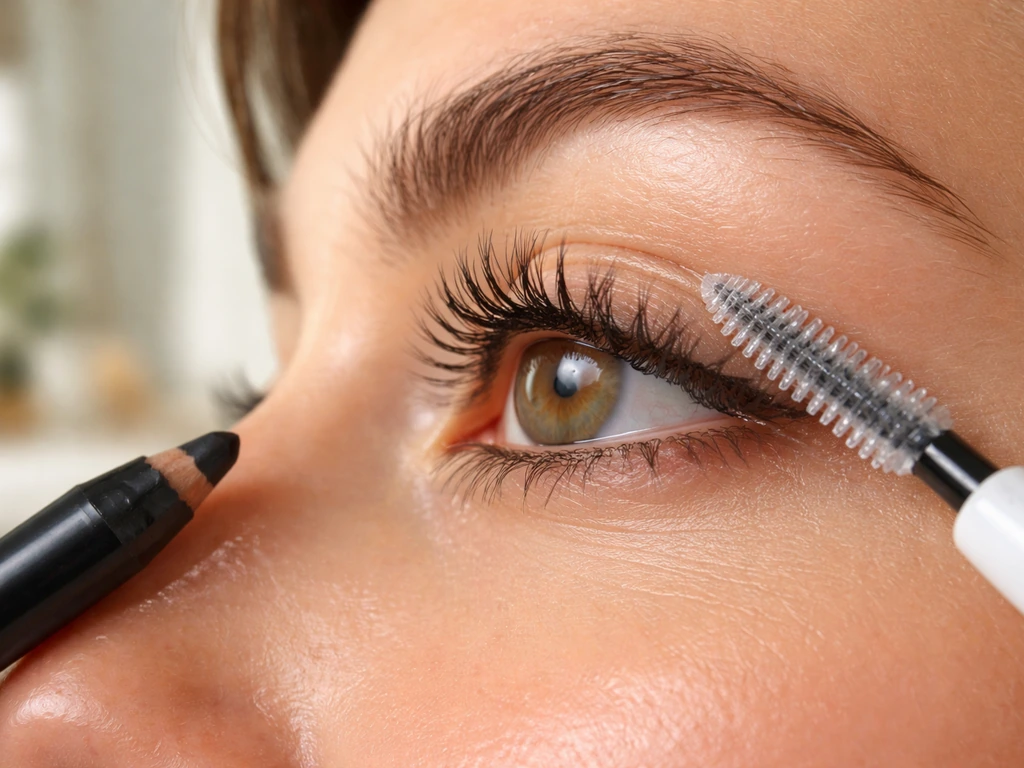
Some kohl formulations, especially modern "kohl-style" pencils, include conditioning agents like plant oils, jojoba wax, vitamin E, or shea butter. These ingredients can coat the lash shaft, reduce friction-related breakage during makeup removal, and temporarily add a slight flexibility buffer to the hair fiber.
If your lashes have been breaking off due to dryness or mechanical damage (from extensions, rubbing, or harsh removal), a gentler, more conditioning liner could reduce that breakage, and you might interpret fewer broken lashes as growth. Paw paw cream is also mainly marketed as a cosmetic moisturizer, so it would not be expected to change eyelash follicle biology or the anagen growth phase. It is not.
Your follicles are producing the same length of lash they always were; you are just losing less of that length at the tip.
Even in the best-case scenario where a kohl formula contains conditioning oils, those oils sit on the surface of the lash shaft and the skin above the follicle opening. They do not penetrate the dermis to reach the follicle bulb, which sits roughly 2 to 3 mm below the skin surface in the eyelid. Ingredients like castor oil or argan oil applied deliberately to the lash line in small, consistent amounts have more theoretical conditioning contact time than pigment bound in wax that you apply and remove daily. Even those oils, which have a more plausible conditioning rationale, do not carry strong clinical evidence for genuine growth stimulation.
The real risks of wearing kohl near your lash line
This is where the conversation shifts from "does it work" to "could it cause harm," and the answer is a clear yes, particularly with traditional kohl products.
Lead and heavy metal contamination
The FDA has specifically flagged traditional kohl, kajal, surma, and similar products as a serious lead poisoning concern. Many traditional formulations use galena (lead sulfide) as the primary pigment ingredient, and testing by public health organizations including NYC Health and advocacy groups like Pure Earth has repeatedly found high lead levels in imported kohl products, even when lead is not listed on the label.
[The CDC notes that you cannot detect lead in a cosmetic by looking at it or smelling it. ](https://www. cdc. gov/lead-prevention/prevention/foods-cosmetics-medicines.
html) For adults, low-level lead exposure from cosmetics is less acutely dangerous than for children, but chronic exposure near mucous membranes like the eye is not a trivial risk, and the FDA considers traditional kohl an unapproved color additive, making it illegal to sell in the United States for cosmetic use.
Irritation, allergic contact dermatitis, and infection
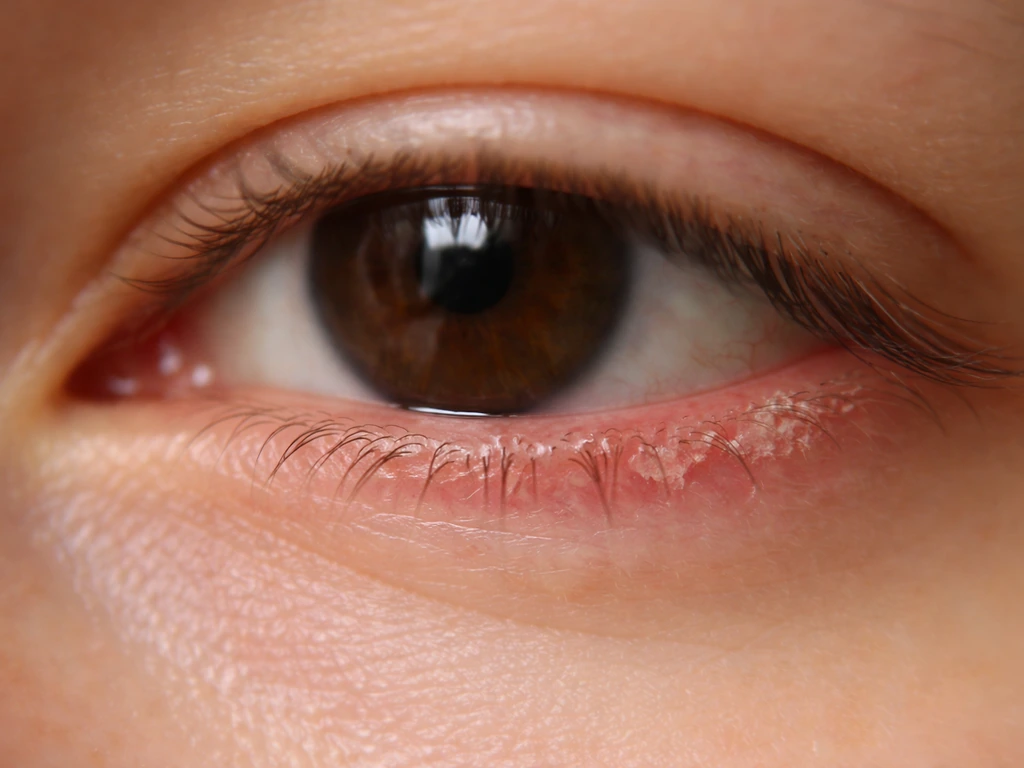
The eyelid is one of the most sensitive skin surfaces on the body, and eyelid contact dermatitis from cosmetics is well documented. Kohl applied at the waterline or tight line sits in direct contact with the meibomian gland openings and the conjunctival margin. This can block those glands (contributing to dry eye and lid inflammation), introduce bacteria or fungi if applicators are shared or unsterilized, and trigger allergic reactions to pigments, preservatives, or metallic components.
Common triggers in eye-area cosmetics include fragrance compounds, metals like nickel, preservatives like methylisothiazolinone and benzalkonium chloride, and the pigment particles themselves. If you notice redness, itching, flaking at the lash root, or increased lash shedding after using a kohl product, contact dermatitis is a plausible cause and an ophthalmologist or dermatologist can confirm it with patch testing.
Chronic low-grade inflammation at the lash line is directly harmful to lash retention. The follicle sits in a tissue environment that is sensitive to inflammatory cytokines, and persistent irritation at that site can push lashes prematurely into telogen (the shedding phase). So not only does kohl fail to grow lashes, it can actively accelerate lash loss if it is causing ongoing lid inflammation.
Are you dealing with breakage or actual lash loss? This matters
Before you reach for any product, it helps to know which problem you actually have, because the fix is different for each. Chapstick is not shown to stimulate eyelash follicles or extend the lash growth phase, so it is not a reliable way to grow lashes.
| Sign | Likely Cause | What It Means |
|---|---|---|
| Lashes look short but you see them all there | Shaft breakage or splitting | The follicle is working; the hair is snapping mid-length |
| Gaps in the lash line, visible skin between lashes | True shedding or follicle disruption | Lashes are detaching at the root; growth is the issue |
| Lashes fall out with the root bulb attached | Normal telogen shedding or telogen effluvium | Follicle is cycling; may resolve on its own in 6-16 weeks |
| Redness, crusting, or itching at lash base | Blepharitis, contact dermatitis, or infection | Treat the inflammation first; growth won't happen in irritated tissue |
| Sudden dramatic loss after extensions or damage | Traction or chemical injury | Follicles may be temporarily stunned; timeline for recovery is 3-6 months |
If the problem is breakage, conditioning agents, gentler makeup removal, and avoiding mechanical stress (rubbing, tight-lining with waxy products) are the right interventions. If the problem is true growth deficit or follicle disruption, you need something that actually acts on the follicle, not a cosmetic coating.
What actually works for growing and thickening lashes
If you want real length and density over time, here is how the options stack up honestly.
Prostaglandin analog serums (strongest evidence)
Bimatoprost 0. 03% (brand name Latisse in the US) is the only FDA-approved treatment for eyelash hypotrichosis. It works by extending the anagen phase and increasing the proportion of follicles in the growth stage at any given time. In randomized controlled trials, it produced significant improvements in lash length, thickness, and darkness compared to vehicle controls, applied once daily to the upper lash margin.
It requires a prescription, costs roughly $150 to $200 per month without insurance, and takes about 16 weeks for full effect. Side effects are real and include conjunctival redness, periocular skin darkening, and in rare cases, iris pigmentation changes. Over-the-counter lash serums often contain peptides (like myristoyl pentapeptide-17) or lower-concentration prostaglandin-like compounds (such as isopropyl cloprostenate) as alternatives to prescription bimatoprost, with more modest but documented effects.
Conditioning oils (slower, but low risk)
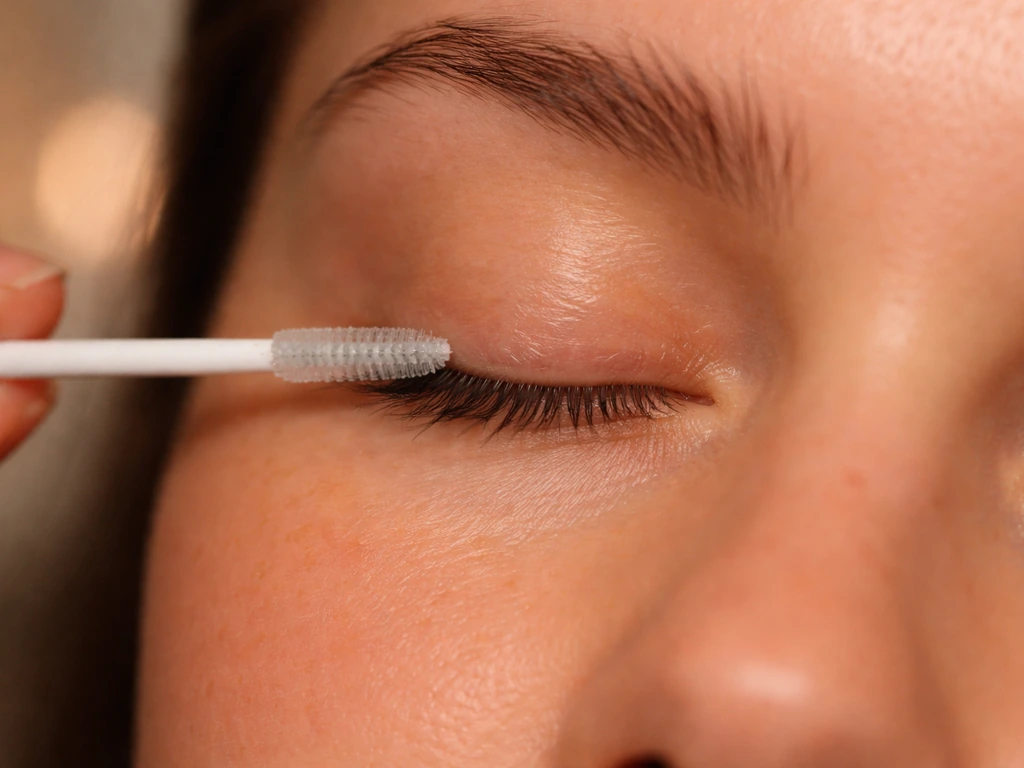
Castor oil, argan oil, and vitamin E oil applied nightly to the lash line with a clean spoolie or cotton swab are popular options with a plausible (if not strongly proven) conditioning rationale. They can reduce lash brittleness, keep the skin at the lash base moisturized, and create a low-inflammation environment for the follicle. They are not going to produce dramatic regrowth if your follicles are truly suppressed, but they are safe, inexpensive, and worth using alongside a serum. Apply a small amount, avoid flooding the eye, and expect 8 to 12 weeks before any noticeable shift.
Peptide-based OTC serums
Serums formulated with growth-signaling peptides like myristoyl pentapeptide-17 or biotinoyl tripeptide-1 have some supporting research and work better than oils for people who want a more targeted approach without a prescription. They typically take 4 to 8 weeks to show visible results and work best when applied consistently to a clean, dry lash margin before bed. They are a good middle-ground option if you want something more targeted than oil but are not ready to go to a clinician for bimatoprost.
How kohl compares to these options
| Product | Mechanism | Evidence for Growth | Main Risk |
|---|---|---|---|
| Traditional kohl/kajal/surma | Pigment coating (cosmetic) | None | Lead contamination, contact dermatitis, meibomian gland blockage |
| Modern kohl eyeliner pencil | Pigment + wax coating | None (may reduce breakage cosmetically) | Irritation, allergens, difficult removal |
| Bimatoprost 0.03% (Latisse) | Prostaglandin analog, extends anagen phase | Strong (FDA approved, RCT data) | Skin darkening, iris pigmentation, conjunctival redness |
| OTC peptide lash serum | Signals follicle activity via peptides | Moderate (small studies) | Occasional irritation; generally well tolerated |
| Castor/argan/vitamin E oil | Conditioning, anti-breakage | Low (anecdotal, minimal clinical data) | Eye flooding if over-applied; otherwise low risk |
Your practical plan starting today
Step 1: Stop using traditional kohl if you have it
If the kohl you are using is a traditional/imported formula (kajal, surma, tiro, or anything applied to the waterline with a stick), stop using it now. Does lip balm help your eyelashes grow? The short answer is no, because most lip balms are just surface conditioners, not growth stimulants. The lead contamination risk is not theoretical; it is documented across multiple public health studies and the FDA explicitly warns against it. Even if your lashes are not your primary concern, the eye exposure risk is not worth it.
Step 2: Switch to a safe, gentle eye makeup removal routine
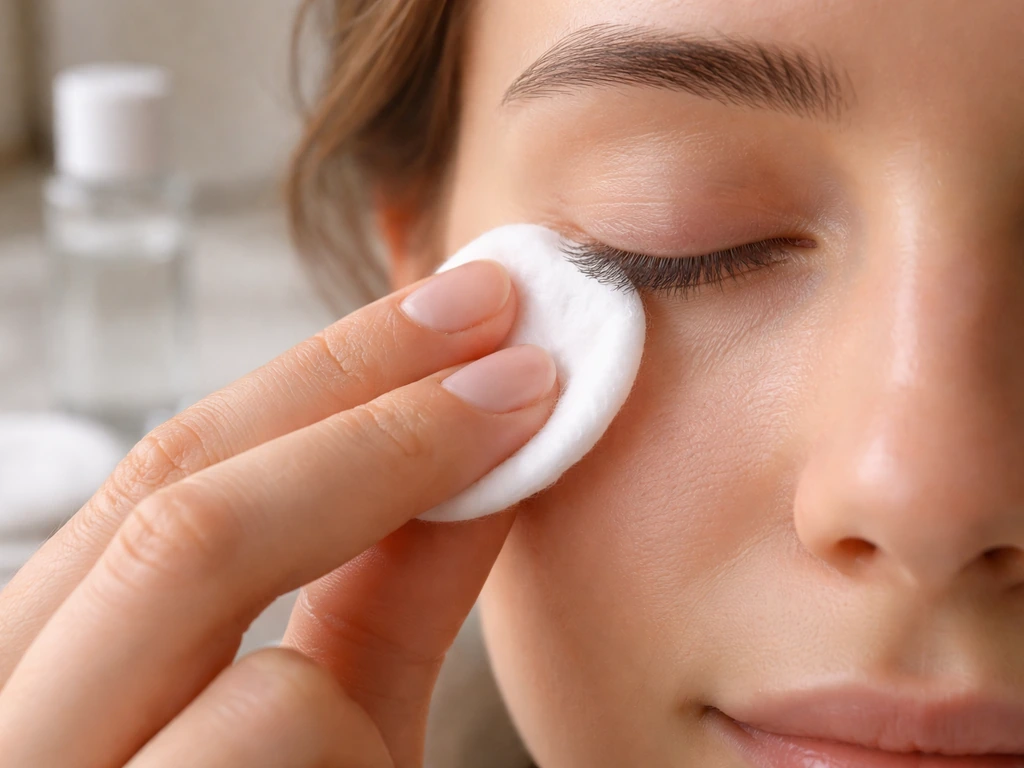
One of the most underrated contributors to lash thinning is rough makeup removal. Use a gentle oil-based micellar water or a dedicated eye makeup remover, soak a cotton pad for 20 to 30 seconds on the closed lid, and wipe gently without rubbing or dragging. Avoid cotton balls that snag on lashes. If you are removing waterproof liner from the waterline, press and slide rather than scrubbing back and forth. This alone can meaningfully reduce daily breakage within 2 to 4 weeks.
Step 3: Patch test any new product before applying near the eye
Whether you are switching to a new liner, trying a lash serum, or starting with castor oil, apply a small amount to the inner forearm or behind the ear for 48 hours before using it near your eyes. Eyelid skin is thinner and more reactive than most body skin, so a product that passes the arm test is not guaranteed to be fine at the lash line, but skipping the patch test altogether is a worse approach. If you have had contact dermatitis from eye cosmetics before, consider seeing a dermatologist for proper patch testing before trying new formulas.
Step 4: Choose your growth intervention based on severity
- Mild thinning or breakage after extensions or minor damage: Start with a nightly castor oil or peptide serum application. Give it 8 to 12 weeks and photograph your lash line weekly to track progress.
- Moderate loss with visible gaps: Consider an OTC prostaglandin-adjacent serum (containing isopropyl cloprostenate) or book a consultation with a dermatologist to discuss prescription bimatoprost.
- Significant loss from chemotherapy, medical condition, or long-term follicle damage: See a dermatologist or ophthalmologist. Prescription bimatoprost is the most evidence-backed option for genuine hypotrichosis and is worth the conversation.
- Ongoing redness, crusting, or itching at the lash base: Treat the inflammation first. Nothing will work well in an actively irritated follicle environment. An ophthalmologist can rule out blepharitis or infection before you add any topical growth product.
Realistic timelines
The eyelash growth cycle runs about 4 to 11 months from anagen through catagen and telogen to shedding. A single lash takes roughly 4 to 8 weeks to grow from follicle to visible length, and full lash line recovery after significant damage takes 3 to 6 months in most cases, sometimes longer after traction injury or chemotherapy. Prescription bimatoprost shows measurable results at 8 weeks and full effect at 16 weeks in clinical trials.
OTC peptide serums tend to show visible changes at 4 to 8 weeks for people who respond to them. Oils and conditioning agents need 10 to 12 weeks before you can honestly evaluate whether they are contributing anything. Patience is not optional with lash regrowth; the biology is just slow.
It is also worth knowing that some products in this category, like lip balms, Aquaphor, or other occlusive agents, occasionally get recommended online as lash growth aids. Aquaphor is an occlusive, not a lash-growth drug, so it is unlikely to help your eyelashes grow. Similar to kohl, those work primarily as surface conditioners and share the same limitation: they do not reach the follicle. If you have come across those suggestions in your search, the logic applies equally there. Conditioning the shaft reduces breakage; it does not stimulate growth.
When to see a clinician
See a dermatologist or ophthalmologist if your lash loss is sudden and significant, if you have redness or crusting that does not resolve after stopping the irritant, if you have used traditional kohl heavily and want to check lead exposure levels, or if you have an underlying condition (thyroid disorder, alopecia areata, trichotillomania) that may be driving the loss. Self-treatment with oils and OTC serums is reasonable for mild cosmetic thinning, but it has limits, and a clinician can rule out conditions that no topical product will fix on its own.
FAQ
If kohl does not grow lashes, why do some people say their lashes look longer after using it?
What’s often happening is temporary visibility, darkening at the lash base increases contrast, and if the formula has waxes or oils it can make lashes look less brittle so fewer tips break off immediately. If the lash shedding rate is unchanged, lash length cannot truly increase beyond what your cycle produces, typically noticeable over weeks, not days.
Is modern drugstore “kohl eyeliner” safer than traditional kajal or surma for the eye area?
It is usually safer than traditional waterline kajal-type products because it is not commonly made with galena (lead sulfide) pigment, but it is not risk-free. Some modern liners still contain common irritants like preservatives and fragrance, and lining the waterline can still provoke contact dermatitis or meibomian gland blockage in sensitive people.
Can kohl at least reduce lash shedding or prevent lashes from falling out?
If it reduces breakage, you may see fewer “lost” lashes because shorter broken tips are less noticeable. However, if the product irritates the lid margin, it can worsen inflammation and potentially increase true shedding. Any increase in redness, itching, flaking, or lash loss after starting is a sign to stop and switch strategies.
How can I tell whether I’m dealing with breakage versus true follicle or growth-cycle problems?
Breakage tends to look like frayed, uneven tips or many short pieces despite normal-looking roots. True growth-cycle issues often show more uniform thinning with fewer full-length lashes over time. A dermatologist or ophthalmologist can help distinguish these, especially if the change is sudden.
If I used traditional kohl before, should I worry about lead exposure and what should I do next?
Stop using it, and if you used it heavily or frequently, consider asking a clinician about blood lead testing, particularly if you have children in the household or you are concerned about chronic exposure. Do not rely on whether the lead is listed on the label, because some products can contain lead even when it is not clearly detectable by appearance.
What symptoms mean I should seek urgent eye care instead of trying to “tough it out”?
Get prompt evaluation if you have significant eye pain, light sensitivity, marked swelling, discharge, blurred vision, or symptoms that rapidly worsen over 24 to 48 hours. Mild temporary staining is different from inflammation that affects the eye surface or vision.
Does patch testing on the arm really predict whether a kohl product will be safe near my lash line?
It helps but it is not reliable for the eyelid. Eyelid skin is thinner and has different immune exposure, so a product that is tolerated on the forearm can still trigger lid-margin dermatitis. If you have a history of contact allergy to eye products, a dermatologist-supervised patch test is more informative.
How long should I try an eyelash serum before deciding it is not working?
For most OTC options, give it at least 8 weeks before judging results, since lashes take weeks to grow from follicle to visible length. If you see no change by 8 weeks, you may be dealing with breakage, irritation, or a true growth problem that needs a different approach, such as prescription treatment.
Are castor oil or similar oils a good alternative if I’m avoiding prescriptions?
They can be a reasonable choice for conditioning and reducing mechanical breakage, especially if your main issue is dryness or harsh removal. But if your lashes are truly sparse due to follicle disruption, oils may not produce major regrowth. Apply sparingly and stop if you notice itching, redness, or increased shedding.
Is it okay to keep using kohl if I’m only getting cosmetic “fullness” from lining the waterline?
If you have no irritation, it is still an avoidable risk, especially with traditional imported products. For sensitive eyes, waterline products can aggravate the meibomian glands and contribute to dry eye symptoms, even when lashes seem temporarily darker. Choosing a gentler cosmetic placement (like a lash-adjacent liner rather than tightlining) can reduce risk.
What is the fastest practical way to improve lash appearance without relying on growth claims?
The most immediate option is color and styling, use a dark mascara or a liner applied just above the lash line rather than deep into the waterline. Pair that with gentler removal (so you reduce daily breakage), and you can see noticeable improvements within 2 to 4 weeks even without true follicle stimulation.
Next Article
Does Carmex Make Your Eyelashes Grow? What to Know
Learn if Carmex lip balm can grow lashes, why it likely won’t, risks to try it, and safer proven lash growth options.
