No, contact solution does not make your eyelashes grow. There is no ingredient in any multipurpose, saline, or hydrogen peroxide contact lens solution that stimulates the hair follicles responsible for lash growth. What people sometimes notice after using it near their lash line is a cosmetic or surface-level change: reduced oil residue, temporarily cleaner-looking lashes, or mild irritation that causes slight eyelid swelling that can make lashes appear more prominent. None of that is actual growth, and some of it is actually a warning sign you should pay attention to.
Does Contact Solution Make Your Eyelashes Grow? Risks

Rachel Nguyen
17 Jun 2026
Why people think contact solution is doing something
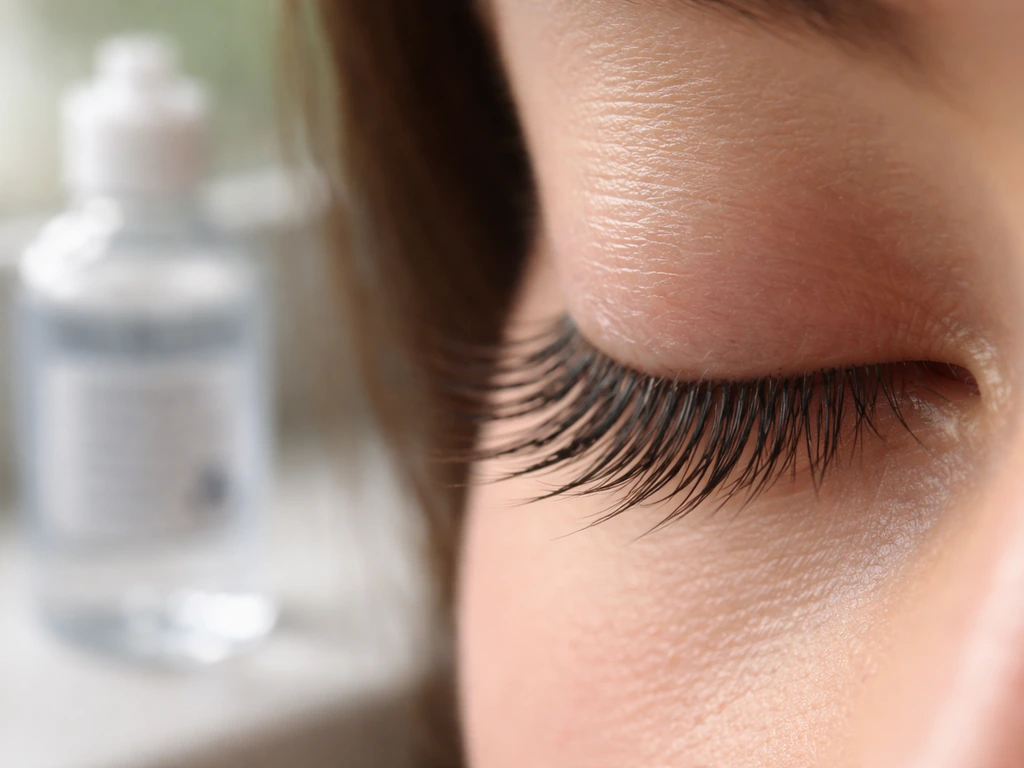
The idea likely comes from a mix of accidental observations and wishful thinking. Contact lens solutions, especially saline-based ones, can dissolve oil buildup along the lash line. When you clear away that debris, your existing lashes look cleaner, more separated, and darker at the base. That is a cosmetic cleanup effect, not a biological change to the follicle.
There is also the irritation factor. Mild irritation around the eyelid can cause very slight swelling or puffiness, which temporarily makes the eye area appear fuller. Some multipurpose solutions contain mild preservatives like polyquaternium or polyhexamethylene biguanide (PHMB), which can interact with the delicate skin around the eye and produce that kind of subtle tissue response. Again, this is not growth. It is inflammation dressed up as a beauty result.
A smaller group of people apply contact solution because they've read that it mimics a gentle eyewash or conditioning rinse. It doesn't. Contact lens solutions are formulated to maintain a lens, not to interact safely or beneficially with the hair follicles or skin tissue at the lash line.
The real risks of putting contact solution near your lashes
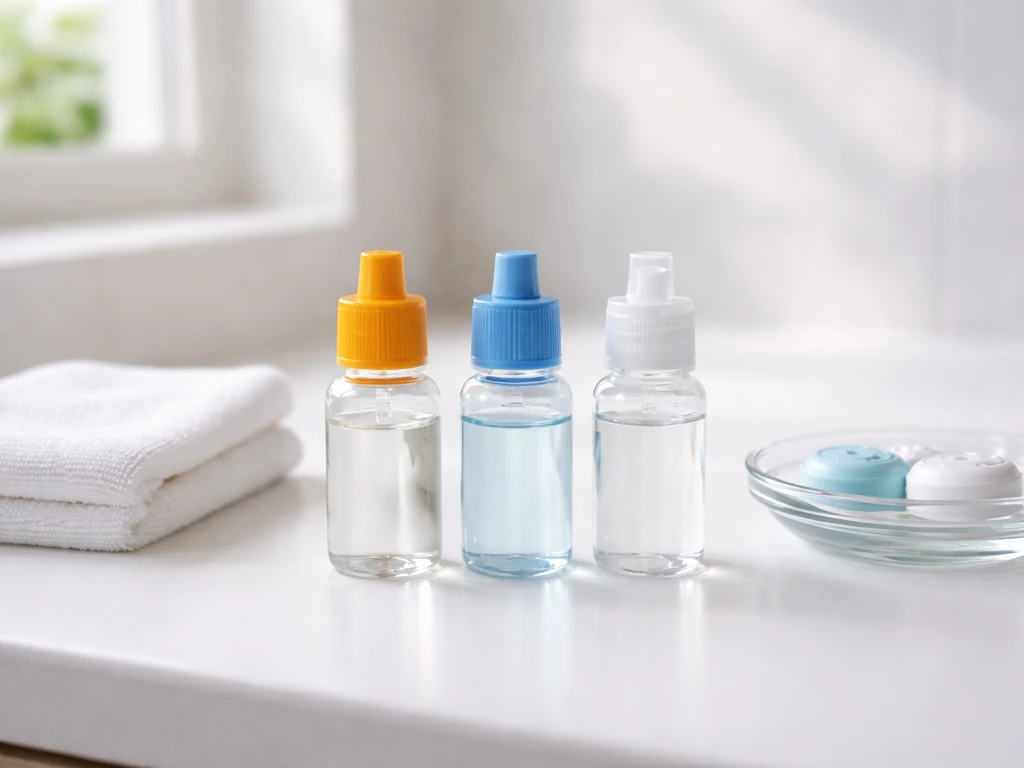
This is where things get genuinely concerning. Not all contact solutions behave the same way, and the risks vary depending on which type you're using and how you're applying it.
Hydrogen peroxide solutions
This is the most dangerous category to misuse. The FDA explicitly warns that hydrogen peroxide contact lens solution should never go directly in your eyes because it causes immediate stinging, burning, and irritation and can damage the cornea. These solutions require a neutralization step (the little platinum disc in the case does this over 6+ hours). If you skip that step or apply the solution directly to your skin or eye area, you are essentially putting a diluted chemical burn agent near your eye. Do not use this anywhere near your lash line.
Multipurpose solutions
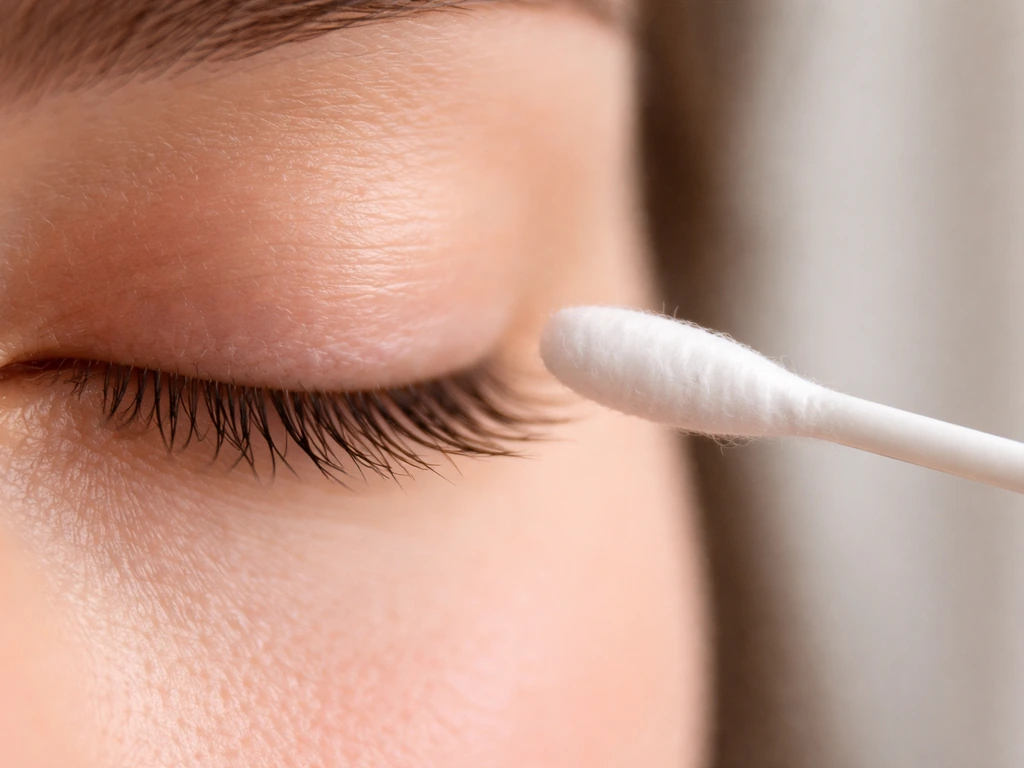
Multipurpose solutions are formulated to disinfect lenses, which means they contain antimicrobial preservatives. Applying these to the lash line with a cotton swab or fingertip introduces those preservatives directly to eyelid skin, which is some of the thinnest and most sensitive skin on your body. Common outcomes include redness, stinging, contact dermatitis, and over time, disruption of the natural moisture barrier of the eyelid. If the solution gets into the eye itself, the FDA and CDC both note risks including eye irritation and infection, particularly when lens care products are used outside their intended purpose.
Saline solutions
Sterile saline is the gentlest option, but it is still not appropriate for lash growth. Plain saline has no growth-stimulating properties whatsoever. Because hyaluronic acid is mainly a skin-conditioning ingredient, it is not proven to make eyelashes grow. It is essentially saltwater at a specific pH and osmolarity designed to rinse lenses. The only realistic effect near your lash line is mild cleansing. And even sterile saline becomes a contamination risk once the bottle is opened and repeatedly handled, raising infection concerns if it contacts the eyelid margin.
How people apply it (and why that makes things worse)
Common application methods, like rubbing the lash line with a soaked cotton ball or dragging a swab across the base of lashes, introduce mechanical trauma on top of chemical exposure. Rubbing the eye area is already one of the most reliable ways to cause lash breakage and follicle damage over time. Adding a disinfecting solution to that rubbing motion compounds the risk.
What actually controls how your eyelashes grow
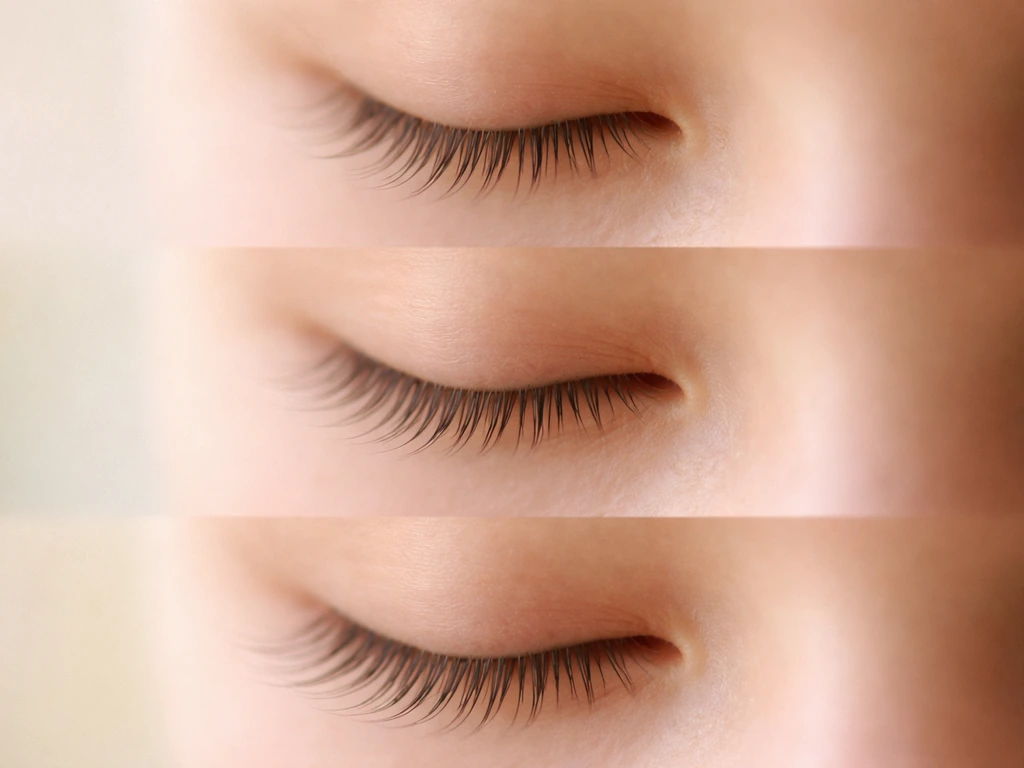
Eyelash growth follows the same three-phase cycle as scalp hair, just on a much shorter timeline. The anagen (active growth) phase for lashes lasts roughly 30 to 45 days, compared to 2 to 6 years on the scalp. If you are wondering whether salt water can make lashes grow, the short answer is that it usually works only as a cleansing rinse and does not activate the follicle the way proven lash-growth ingredients do. The catagen (transition) phase takes about 2 to 3 weeks, and the telogen (resting/shedding) phase lasts around 100 days. At any given moment, most of your lashes are in the resting phase, which is why a single lash takes about 4 to 6 months to fully replace after it falls out.
What influences whether that cycle runs optimally or gets disrupted comes down to a few key factors: follicle health (which can be damaged by chronic rubbing, extensions, harsh makeup removal, or inflammatory conditions), hormonal signaling (particularly prostaglandins, which directly regulate the growth phase length), nutritional status, and the physical integrity of the lash line itself. Does the sun make your eyelashes grow? In most cases, no. Growth is driven mainly by your lash follicle cycle and hormones, not sun exposure.
Proven clinical options
The most evidence-backed lash growth treatment is bimatoprost, a prostaglandin analog originally developed as a glaucoma drug. In a randomized, vehicle-controlled clinical trial, once-daily bimatoprost 0.03% produced measurable improvements in lash length, thickness, and darkness versus a control over five months. It works by extending the anagen phase of the growth cycle. Prescription bimatoprost (Latisse) is applied to the upper lash line with a sterile applicator. It is not without trade-offs: possible side effects include iris pigmentation changes (in people with light eyes), eyelid skin darkening, and eye redness. These are worth discussing with a doctor before starting, not something to self-manage.
It is also worth noting that the FDA has issued warning letters to companies making drug-like eyelash growth claims while marketing products as cosmetics. If a product claims to "grow" your lashes, it is technically making a drug claim and should have clinical data backing it. Most over-the-counter lash serums make conditioning claims, not growth claims, for exactly this regulatory reason. Green tea extracts are often discussed online for lash growth, but there is not strong clinical evidence that they can truly lengthen or thicken eyelashes grow" your lashes.
How long lash recovery actually takes
If your lashes are thinned or short from damage, extensions, or a period of loss, realistic regrowth timelines look like this:
| Scenario | Expected Regrowth Timeline | What to Expect |
|---|---|---|
| Single lash shed naturally | 4 to 6 weeks for visible regrowth, up to 5 months for full length | Normal cycle, no intervention needed |
| Lash damage from rubbing or makeup | 6 to 12 weeks once trauma stops | Depends on whether follicle was damaged or just the hair shaft |
| After lash extensions removed | 6 to 16 weeks | Longer if extensions caused traction stress on follicles |
| Medical lash loss (alopecia, thyroid, medication) | Variable: weeks to months after underlying cause is addressed | May need medical intervention for full recovery |
| With bimatoprost use | Visible improvement by 4 to 8 weeks, full effect by 4 to 5 months | Requires continued use to maintain results |
Growth stalls when the trigger is still present: continued rubbing, ongoing traction from extensions, unaddressed nutritional deficiency, or an untreated medical condition. If your lashes haven't recovered after three to four months of genuinely protective habits, something else is likely going on.
Safer things to actually try today
If you want to support lash regrowth without risking eye injury, here is a practical, prioritized approach.
Step one: stop the damage first
This sounds obvious but gets skipped constantly. Nothing grows back efficiently while the follicle is still being stressed. Remove eye makeup gently with a designated oil-free or micellar cleanser and a soft cotton pad. No rubbing. If you have extensions, let them grow out naturally or have them professionally removed, not pulled off at home. This single step does more for regrowth than any serum you can add on top of ongoing mechanical damage.
Step two: try castor oil (with realistic expectations)
Castor oil is the most widely used at-home option. It contains ricinoleic acid, which has mild anti-inflammatory properties and may help with lash conditioning and moisture retention. It does not directly trigger follicle activity the way prostaglandin analogs do, but it is safe, inexpensive, and reduces lash breakage by keeping hairs flexible. Apply a tiny amount to a clean spoolie and brush along the upper lash line before bed. Before doing this, patch test it on your inner arm for 24 hours first. Some people react to castor oil, and getting an irritant into an already-sensitive eye area is counterproductive. Other oils like argan, vitamin E, and rosehip are similarly safe with similar, modest conditioning effects.
Step three: consider a lash-safe peptide serum
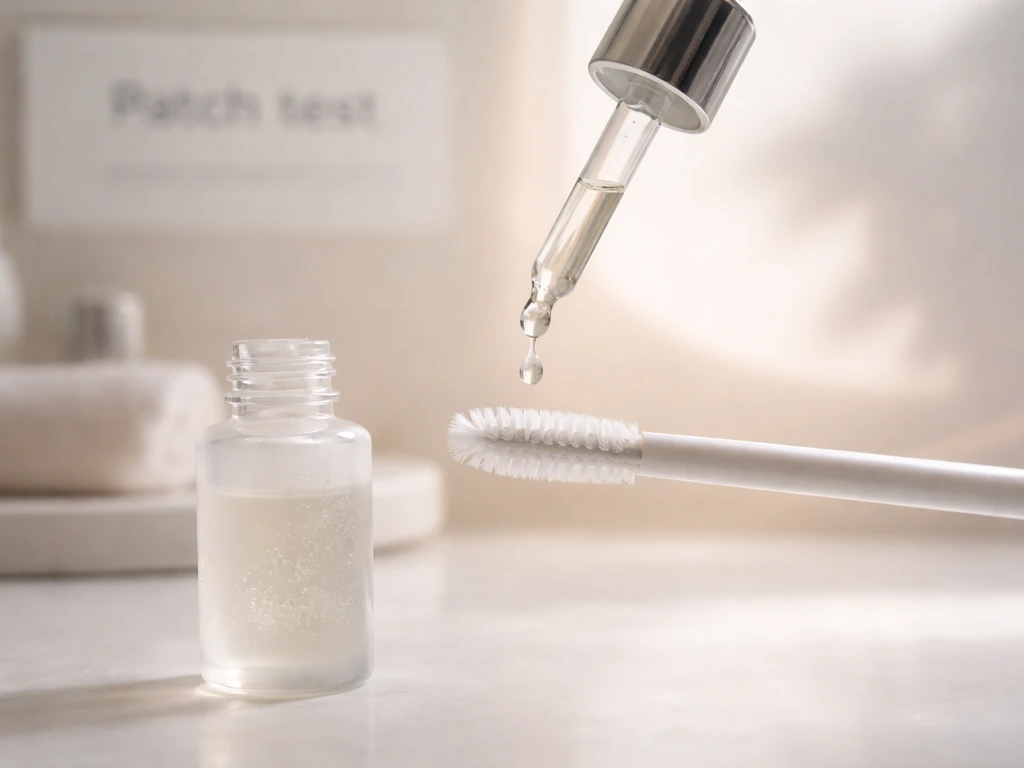
Over-the-counter lash serums that use peptide complexes (like myristoyl pentapeptide-17) are designed to support the keratin structure of the lash and may improve lash appearance with consistent use over 8 to 12 weeks. These are not prescription products and do not have the same clinical evidence as bimatoprost, but they carry a much lower risk profile. Apply to a clean, dry lash line once daily, and again, patch test the eyelid skin before committing to daily use.
Step four: support from the inside
Nutrition plays a supporting role, not a starring one. Biotin deficiency can cause hair loss, but most people consuming a normal diet are not biotin-deficient. That said, ensuring adequate intake of protein, iron, zinc, and vitamins B7 (biotin), D, and E creates the internal conditions for normal follicle cycling. Think of it as removing a roadblock rather than hitting an accelerator. If you're curious about how food affects lash growth more broadly, diet factors in but rarely as dramatically as people hope.
Patch testing: do not skip this
Any product you plan to apply near your eye area should be patch tested on inner arm skin for at least 24 hours before use. If you see redness, hives, or feel stinging at the test site, do not use that product near your eyes. This applies to castor oil, serums, and anything else you're trying.
When to stop experimenting and see a doctor
Some lash concerns go beyond what any at-home routine can fix, and some symptoms mean you need professional evaluation now, not later. See an eye doctor or dermatologist if you notice any of the following:
- Eye pain, persistent burning, or stinging that doesn't resolve within a few hours of stopping product use
- Redness that lasts more than a day or keeps returning
- Crusting, discharge, or eyelid swelling, which can indicate bacterial or fungal infection
- Vision changes of any kind after using any product near the eye
- Significant or patchy lash loss that isn't explained by mechanical damage or extensions
- No lash regrowth after 3 to 4 months of protective habits
- Suspected eyelid conditions like blepharitis, demodex (eyelash mites), or scarring at the lash line
Conditions like thyroid disorders, alopecia areata affecting the lash line, and chronic blepharitis all cause lash thinning that responds to medical treatment rather than topical oils or serums. If you have tried the at-home basics for a full growth cycle (around 12 weeks) with no improvement, that is your signal to get a second opinion rather than keep layering on DIY experiments.
The bottom line: contact solution belongs on your contact lenses, not on your lash line. It won't grow your lashes, and the risks range from mild irritation to genuine corneal damage depending on which type you use. Crying may change how your lashes look temporarily, but it does not make them grow It won't grow your lashes. The path to longer, thicker lashes runs through protecting your follicles from ongoing damage, being consistent with evidence-backed topicals like castor oil or peptide serums, and seeing a doctor if something more than surface-level conditioning is needed.
FAQ
If I accidentally got contact solution on my lash line or in my eye, what should I do?
No. Even if saline feels harmless, it will not activate the lash follicle. Any temporary improvement is usually from dissolving lash-line oils or debris, which can make existing lashes look cleaner and darker, not from new growth. Also, repeatedly opening and touching a saline bottle can increase contamination risk if it contacts the eyelid margin.
Is it ever safe to use hydrogen peroxide contact solution as an eyelid rinse?
Rinse immediately with sterile saline or clean water and stop using the product near your eyes. Do not try to “neutralize” hydrogen peroxide solution at home. If you have significant burning, worsening redness, light sensitivity, blurred vision, or discharge, get urgent eye care, because those symptoms can indicate corneal irritation.
I use contact solution to clean my lashes after removing makeup. Is that a good idea?
No. Hydrogen peroxide systems are designed for lenses with a required neutralization step, and they are not formulated for eyelid skin or direct eye contact. Using it near the lash line without the full neutralization process can cause strong irritation and potential corneal injury.
Does using contact solution “less often” reduce the risks enough?
Avoid it. Contact solutions are formulated for disinfection and lens maintenance, not for lash-line skin. Mechanical rubbing plus antimicrobial preservatives increases the chance of dermatitis and lash breakage. If you want a gentle cleanup routine, use a dedicated, eye-safe cleanser method without rubbing, then pat dry.
Can contact solution help if my lashes are falling out from extensions or rubbing?
Not really. Even occasional contact solution exposure can irritate sensitive eyelid skin, and repeated rubbing adds mechanical damage. The risk is not only frequency, it is concentration, preservatives, and whether it migrates into the eye.
What signs suggest I should stop any lash product (including oils or serums) and see a professional?
It won’t correct the trigger. If extensions or chronic rubbing caused shedding, the most effective first step is removing ongoing traction and stopping the rubbing. From there, consider conditioning approaches (like castor oil or peptide serums) and give it a full replacement timeline, since a lash can take months to fully regrow.
How long should I wait to know whether a lash-growth product is actually working?
Stop and get checked if you develop persistent burning, swelling, hives, worsening redness, crusting that keeps returning, pain with blinking, or any change in vision. Also seek care if lashes are thinning in patches, because causes like blepharitis or inflammatory or autoimmune conditions may need treatment beyond topical products.
Next Article
Does Salt Water Grow Your Eyelashes? What to Know
Salt water won’t reliably regrow eyelashes. Learn the lash growth cycle, risks, and safer recovery options.