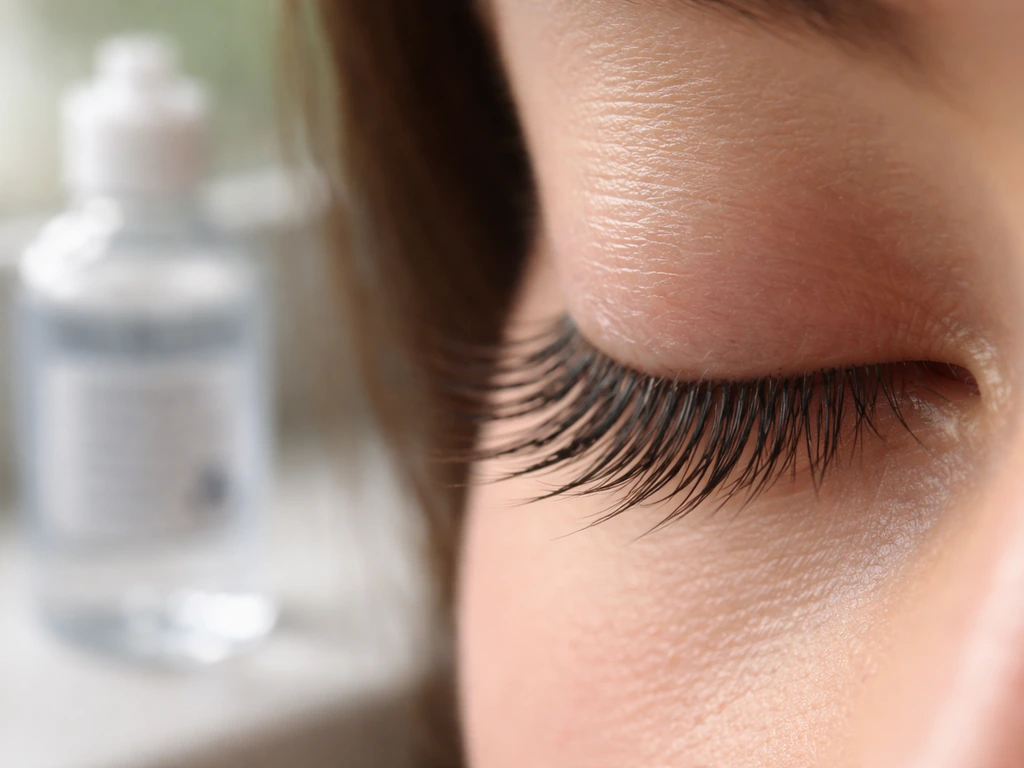
Hyaluronic acid does not directly make eyelashes grow longer or thicker in the way that a clinically proven ingredient like bimatoprost does. What it does do is hydrate the lash shaft and the delicate skin along the lash line, which can reduce brittleness, limit breakage, and make lashes look noticeably fuller and healthier. That distinction matters a lot if you are trying to restore lashes after damage or genuinely add length, because confusing a cosmetic improvement with true follicle-driven growth will cost you weeks of waiting for something that may not come.
Does Hyaluronic Acid Make Eyelashes Grow? What to Expect
Rachel Nguyen
18 Jun 2026
What hyaluronic acid actually does for your lashes
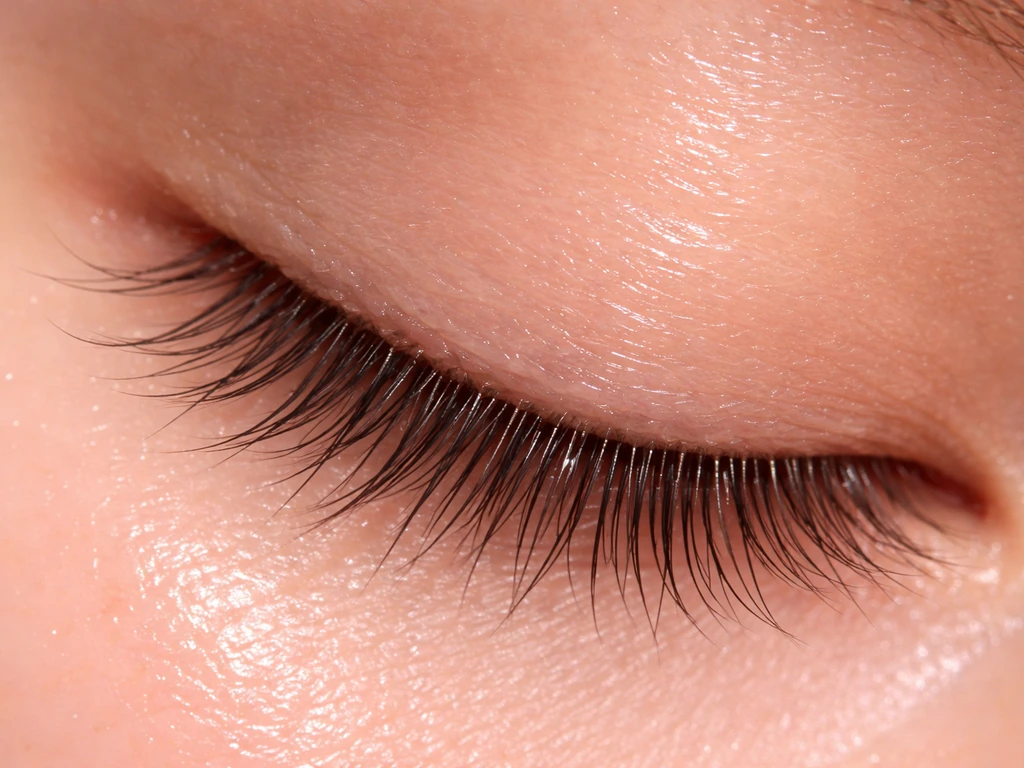
Hyaluronic acid (HA) is a humectant, which means its job is to pull water toward the surface of the skin and hold it there. It is naturally abundant in skin tissue and can hold up to 1,000 times its own weight in water, which is why it shows up in so many skincare formulas. When you apply it along the lash line, a few things happen: the skin around the follicle gets better hydrated, the lash shaft itself becomes more pliable and less prone to snapping, and the overall environment around the root is less dry and irritated.
None of that is follicle stimulation. The lash follicle has its own growth cycle (anagen, catagen, telogen), and HA applied topically is not known to push follicles from the resting phase into active growth the way prostaglandin-analog drugs do. StatPearls notes that eyelash growth and darkening are linked to prostaglandin-analog mechanisms near the eyelash and ocular surface, which helps explain why HA is not known to drive that follicle-cycle effect in humans HA applied topically is not known to push follicles from the resting phase into active growth the way prostaglandin-analog drugs do. Think of it like conditioning your hair: a good conditioner makes existing strands stronger and smoother, but it does not cause new hairs to sprout from dormant follicles. That is roughly the level you are working at with HA on lashes.
Where HA does earn its place is in recovery scenarios. If your lashes are dry, brittle, or falling out because of extension damage, rubbing, irritation, or a compromised eyelid barrier, improving hydration along the lash line can reduce the mechanical loss that is making things worse. Stopping unnecessary shedding is not the same as growing new lashes, but it is a meaningful step when you are trying to rebuild.
Does the evidence support lash growth claims?
Honestly, the clinical evidence specific to lash follicle growth is thin. There is one notable in-vitro study showing that non-crosslinked HA had hair growth-promoting effects in human dermal papilla cells, which are the cells that regulate the hair follicle cycle. That is interesting, but it is a lab dish finding, not a clinical trial on human eyelashes. It tells us the mechanism is biologically plausible, not that rubbing a HA serum on your lash line will produce measurable millimeter gains in length.
Compare that to what the evidence looks like for drugs that do grow lashes. Does the sun make your eyelashes grow? blank" rel="noopener noreferrer">Bimatoprost 0.03%, a prostaglandin-analog originally developed as a glaucoma treatment, has been through randomized controlled trials measuring lash length in millimeters, thickness, and darkness at defined time points, with digital image analysis. That is the bar for proving actual growth. No HA-specific lash product has cleared anything close to that bar. The research gap is not a minor caveat, it is the main thing you need to know before spending money on an HA-only lash serum marketed as a growth product.
What you can realistically expect to see and when
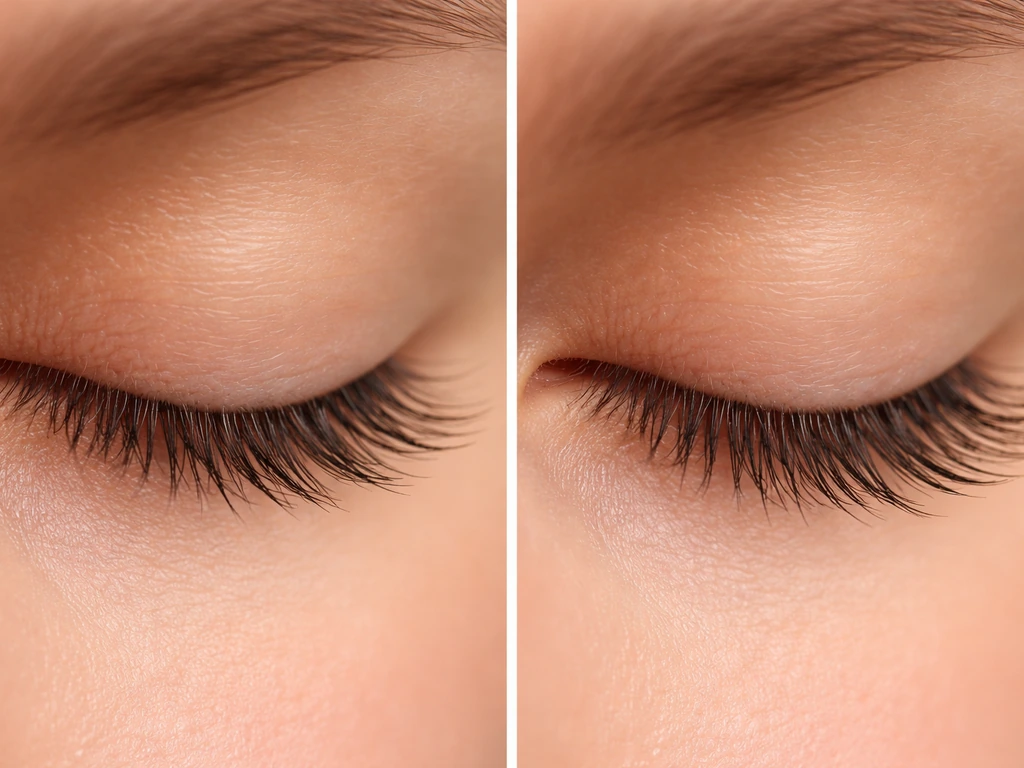
There are two separate timelines at play here, and mixing them up leads to disappointment.
Fast cosmetic changes (days to 2 weeks)
Within the first week or two of consistent HA application, you may notice lashes that look less brittle and slightly more defined. The hydration effect is real and relatively quick. Green tea is often marketed for lash growth, but the evidence is not comparable to proven lash-growth options. If dryness was causing lashes to snap mid-shaft, that should improve noticeably. The skin along your lash line may also look smoother and less flaky, which reduces the patchy, sparse look that irritated eyelids can cause.
True growth timeline (6 to 16 weeks)
A complete eyelash growth cycle takes roughly 4 to 16 weeks. If you want to see genuine new length, you are waiting for follicles to move through a full anagen phase, and that takes at minimum 6 weeks and often longer. If you are using HA as your only active ingredient, do not expect to measure new millimeters at the 30-day mark. If you are wondering whether contact solution makes your eyelashes grow, it is important to separate product claims from true follicle-driven growth If you are using HA as your only active ingredient. A fairer test is 8 full weeks of consistent use before you draw any conclusions about whether length has improved beyond what hydration alone explains.
How to use HA lash products safely
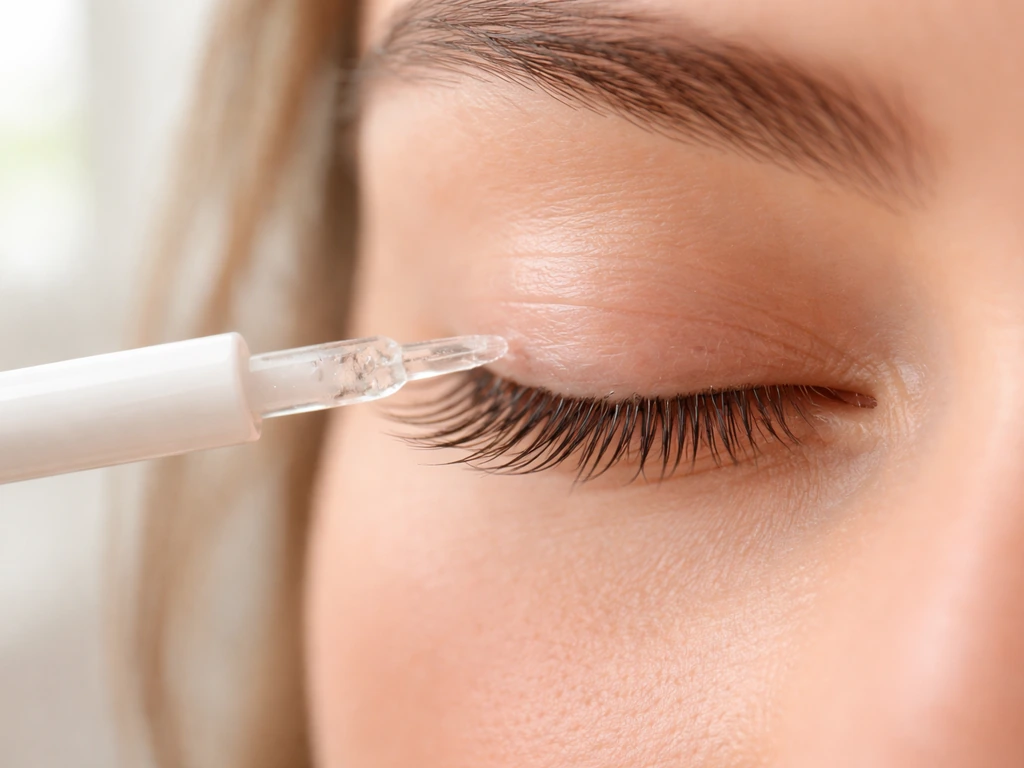
The eye area is one of the most sensitive on the body, and the closer you get to the actual eyeball, the more careful you need to be. Here is how to do this without creating a new problem.
- Choose a product formulated specifically for the eye area or lash line, not a general facial HA serum. Concentrations and pH matter near the eyes, and facial serums often contain additional actives (retinol, vitamin C, fragrance) that will irritate eyelid skin.
- Patch test first: apply a small amount to the inner wrist or behind the ear for 24 hours before using it near your eyes.
- Apply with a clean, fine applicator brush or the product's included wand, targeting the base of the upper lash line only. You do not need to coat the entire shaft.
- Apply once daily, ideally at night after removing makeup, when the skin barrier is more receptive to hydrating ingredients.
- Do not apply directly into the eye. HA is generally considered safe near the eye, but getting any product into the eye can cause temporary blurring and irritation.
- If you wear lash extensions, check with your technician before adding any serum near the lash line, as oils and some formulations can break down lash adhesive.
Consistency matters more than quantity. A thin, even application every night beats occasional heavy applications. Give it a full 8 weeks before reassessing.
How HA stacks up against proven lash-growth approaches
If true length and thickness are your goal, it helps to know where HA sits in the landscape of options. This table compares the main approaches honestly.
| Ingredient/Approach | Primary Mechanism | Evidence for Growth | Timeline | Best Use Case |
|---|---|---|---|---|
| Hyaluronic acid | Humectant, hydration, barrier support | Weak (in-vitro only for follicle effects) | 8+ weeks for indirect benefits | Dryness, brittleness, irritation recovery |
| Bimatoprost (prescription) | Prostaglandin-analog, extends anagen phase | Strong (randomized controlled trials) | 8 to 16 weeks | True lash hypotrichosis, medically thinning lashes |
| Peptide serums (OTC) | Signal follicles, support keratin production | Moderate (some clinical data) | 8 to 12 weeks | General lengthening and thickening at home |
| Castor oil | Fatty acid conditioning, possible scalp microcirculation | Anecdotal/limited | 12+ weeks | Budget option, dryness, breaking cycle |
| Biotin (oral) | Supports keratin infrastructure systemically | Limited unless deficient | 12+ weeks | Supplementation if diet is low in biotin |
The honest recommendation: HA on its own is unlikely to give you the lash length you are hoping for if that is your primary goal. If you are looking for what food makes your eyelashes grow, the key takeaway is that diet cannot directly switch on lash follicle growth the way proven medications can. Where it genuinely helps is as a supporting ingredient alongside a peptide serum or, if a doctor prescribes it, a prostaglandin-analog formula. Using HA to calm and hydrate a damaged lash line while another active does the growth work is a smart, practical stack. Using it alone and expecting bimatoprost-level results will leave you frustrated.
It is worth noting that some other popular remedies, like green tea, crying, or even salt water, are sometimes discussed in lash-growth conversations. Most of these work, if at all, through indirect pathways like hydration or antioxidant support, similar to how HA works. None of them replicate the follicle-cycle mechanism that clinical lash serums use.
Risks, side effects, and red flags

HA is generally well-tolerated, but the eye area is not forgiving of shortcuts. Here is what to watch for. Salt water is not a proven lash-growth ingredient, and it can also irritate the sensitive lash line salt water grow your eyelashes.
- Contact dermatitis: some people react to preservatives or other ingredients in HA formulations, not the HA itself. If you see redness, swelling, or a rash along the lash line within 48 hours, stop immediately.
- Eyelid irritation or burning: this usually points to an incompatible formulation, an additional active in the product that is too strong for the eye area, or the product getting into the eye.
- Increased shedding in the first two weeks: a small amount of increased shed can happen when you start any new lash-line routine as loosely attached lashes release. If heavy shedding continues past two weeks, stop and reassess.
- Blepharitis symptoms: flaking, crusting, persistent itching, or swollen eyelid margins are signs of eyelid inflammation that need attention from a doctor before you add any topical product to that area.
- No improvement after 8 weeks: if lash loss or thinning is continuing despite good skincare hygiene and HA use, there may be an underlying cause (thyroid issues, nutritional deficiency, or scarring from follicle damage) that a topical humectant cannot fix.
When to see a specialist
See a dermatologist or ophthalmologist if you have persistent lash loss that does not respond to improved care within 6 to 8 weeks, if your eyelid margins are chronically inflamed or itchy, if you have a history of alopecia or autoimmune conditions, or if you are recovering from chemotherapy or radiation. These situations require medical assessment, not a better serum.
Your practical 4 to 8 week plan
Here is a simple framework you can start today.
- Week 1: Patch test your chosen HA product. Start nightly application at the lash base with a clean applicator. Remove eye makeup gently using a non-oily micellar water before applying. Take a close-up photo of both eyes in consistent lighting for your baseline.
- Week 2: Assess initial hydration response. Are lashes less brittle? Is the lash line skin less dry or flaky? These are the changes you should be tracking at this stage, not length.
- Weeks 3 to 4: Add a supporting ingredient if you want to target actual growth. A peptide-based lash serum applied before the HA layer is a reasonable combination. Apply the serum first, let it absorb for one minute, then apply HA.
- Week 6: Take a second photo under the same lighting and angle. Compare lash density and apparent length. Be honest about whether changes are from reduced breakage (cosmetic) or genuinely new growth.
- Week 8: Full evaluation. If you have seen meaningful improvement in lash quality and modest length gains, continue the routine. If lash loss is ongoing or you see no change whatsoever, it is time to consult a dermatologist or consider a prescription-grade lash serum.
Track three things consistently: lash shedding (check your pillow and eye area after cleansing), visual fullness along the lash line, and any irritation symptoms. Keeping those notes honest will tell you far more than a vague sense that something is working or not working.
Bottom line: hyaluronic acid is a genuinely useful ingredient for lash health, especially if dryness, irritation, or mechanical damage is part of your situation. It is not a growth serum in any clinically proven sense, but it can create a healthier foundation that makes whatever growth you do achieve last longer. Use it with realistic expectations, pair it with a stronger active if true length is your goal, and give it the full 8 weeks before you decide it is or is not working for you.
FAQ
How can I tell within the first two weeks if hyaluronic acid is helping my lashes?
Not reliably. If you do not see less snapping and fewer broken pieces within about 1 to 2 weeks, that usually means the main issue is not dryness or barrier irritation, and HA alone is unlikely to change length.
Is it safe to use any hyaluronic acid serum around my lashes, or does the ingredient type matter?
It depends on the product formula. A HA serum marketed for the eye area should be designed for eyelid use, while formulas meant for facial skin may include fragrances or strong acids that can sting. If it burns, waters your eyes, or leaves you with redness at the lash line, stop and switch to an ophthalmologist-suitable product.
Can I apply hyaluronic acid more than once per day to speed up results?
Avoid it. Buildup and residue can make lashes feel stiff or trigger itchiness, especially if you apply multiple layers. Use a thin, even amount on the lash line (not inside the eye) and remove any excess at night during your usual cleansing routine.
If hyaluronic acid is not true lash growth, when should I realistically measure for any improvement?
New growth is slow because lashes run on a full growth cycle. A practical expectation is 8 weeks to judge whether you gained visual length beyond reduced breakage, and 12 to 16 weeks if you are trying to restore lashes after significant shedding.
What if my lash shedding is constant, not related to extensions or dryness, will HA still help?
HA will not fix hormonal or autoimmune-driven lash loss by itself. If shedding is diffuse, persistent, and not tied to extensions, rubbing, or irritation, you may be dealing with an underlying condition, so a dermatologist or ophthalmologist should evaluate you rather than waiting it out.
What’s the safest way to start hyaluronic acid if I have sensitive eyes?
Use patch testing and go gradual. Apply a small amount to the lash line once nightly for 3 to 4 nights, then increase to daily if there is no irritation. This is especially important if you have sensitive eyes or history of contact dermatitis.
Should I stop lash extensions or rubbing while using hyaluronic acid?
HA can reduce dryness, but it can also mask the real cause if you keep wearing extensions or rubbing your eyes. Consider pausing extensions and minimizing mechanical stress for the first 6 to 8 weeks while you evaluate changes in shedding and breakage.
Can hyaluronic acid be combined with a medically proven lash-growth treatment?
Yes, but only as a supporting ingredient. If you are seeking true length and thickness, the evidence base is stronger for prescription-grade prostaglandin analogs, and HA is most useful to improve comfort and reduce mechanical lash loss alongside those therapies.
Why do some people see quick “fullness” with hyaluronic acid, but it still doesn’t translate into longer lashes?
Sometimes, but not from follicle activation. If you see immediate darkness or fullness, it is usually from less breakage and improved lash appearance, not thicker growth at the root. Record your photos in the same lighting, at the same angle, every 2 weeks.
Are there situations where hyaluronic acid might make eyelid problems worse instead of better?
Be cautious if you use contact lenses or have blepharitis or chronic eyelid inflammation. HA can be fine for many people, but if your eyelids are already inflamed, focus on medical evaluation and eyelid hygiene first, because irritation can worsen regardless of hydration.
Next Article
Does Contact Solution Make Your Eyelashes Grow? Risks
Find out if contact solution grows lashes, why it seems to work, real eye risks, and safer regrowth options.