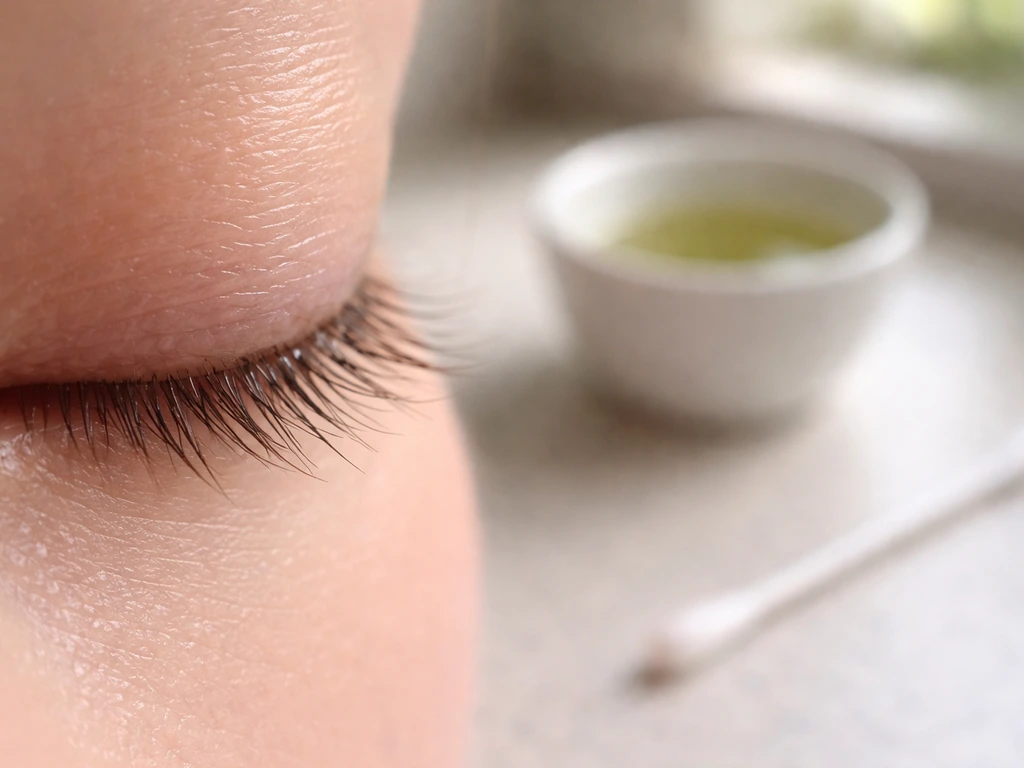
Salt water does not grow eyelashes. There is no clinical evidence that applying salt water to your lash line stimulates follicle activity, extends the growth phase, or makes lashes longer or thicker. If you are wondering whether crying makes your eyelashes grow, the same logic applies as with other saline exposures: there is no evidence it stimulates lash follicles, and it may worsen irritation. What it can do is dry out the delicate skin around your eyes, irritate the follicle base, and cause enough inflammation or brittleness to actually make your lashes look worse. If you came here hoping salt water was a hidden lash growth hack, the honest answer is: it isn't, and there are much better options worth your time.
Does Salt Water Grow Your Eyelashes? What to Know

Rachel Nguyen
12 Jun 2026
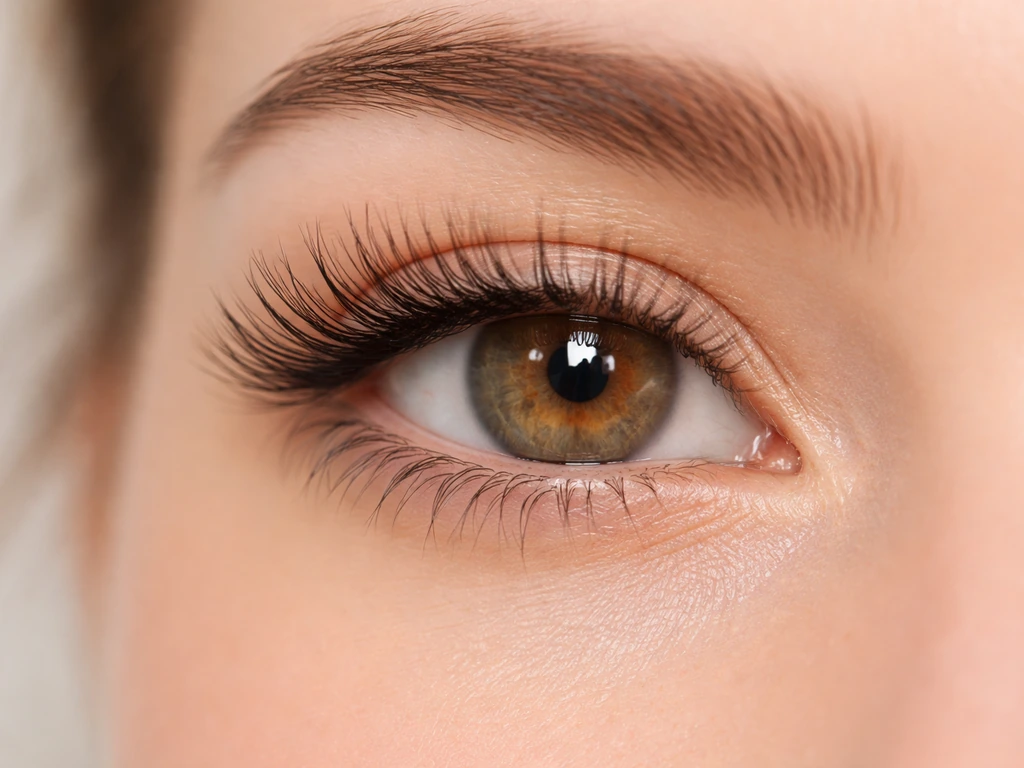
How eyelash growth actually works
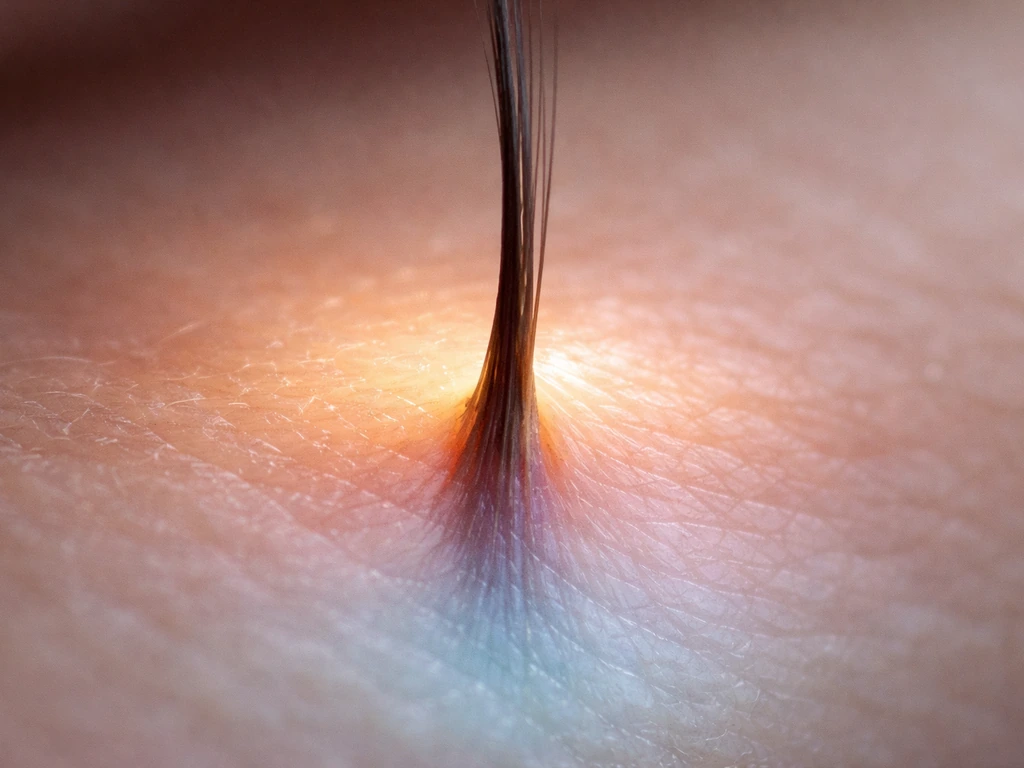
Before evaluating any ingredient, it helps to understand what you're actually trying to influence. Eyelashes grow in a three-phase cycle: anagen (active growth), catagen (transition), and telogen (resting/shedding). Research measuring this cycle in real volunteers found that the anagen phase lasts about 34 days on average, the catagen transition lasts roughly 15 days, and the resting telogen phase can last anywhere from 4 to 9 months. The full cycle from growth to replacement runs approximately 90 days. Your lashes grow at about 0.12 mm per day during anagen, which means meaningful length gains take weeks, not days.
The critical detail is this: lash length is mostly determined by how long the anagen phase lasts. Short anagen means shorter lashes. Anything that genuinely stimulates growth has to either push resting follicles back into anagen earlier or extend the active growth window. That's a biological mechanism, not something a saline rinse can accomplish. So when you hear that something "grows" lashes, that's the bar it needs to clear.
What the science actually says about salt water and lash growth
There are no peer-reviewed studies showing that salt water applied to the eyelid margin stimulates eyelash follicles, prolongs anagen, or increases lash length or density. The idea likely circulates because of two things: the observation that people who swim in the ocean sometimes notice their lashes looking fuller (probably from the temporary swelling and moisture effects on lash hairs), and a broader misapplication of the fact that saline solutions are used in some eye-care contexts. A multicenter randomized study did look at seawater washes for dry eye syndrome and compared them with artificial tears, framing the possible effects around osmolarity, pH, and surface cleaning, but this research is about ocular surface comfort, not lash follicle stimulation. Surface hydration and follicle biology are completely different things.
Compare this to what we know actually works. Bimatoprost 0.03% (the active ingredient in prescription Latisse) has a documented mechanism: it stimulates the transition from telogen to anagen and prolongs the growth phase. Multiple double-masked, randomized, vehicle-controlled clinical trials support this. That is the kind of evidence standard a lash growth claim needs to meet. Salt water has nothing comparable.
How salt water can actually hurt your lashes
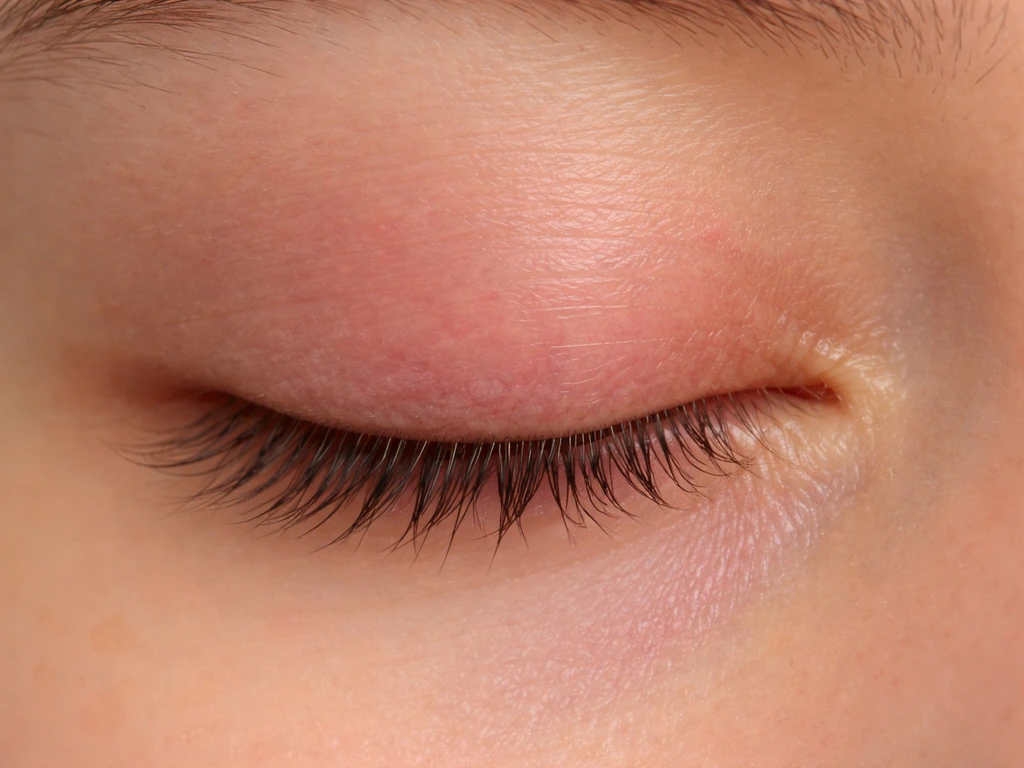
This is where the real risk sits. The skin on your eyelids is some of the thinnest on your body, and the tissue around the lash line is highly sensitive. Repeated exposure to salt water can strip natural oils from both the skin and the lash hair shaft, leaving lashes dry, brittle, and prone to breakage. Breakage is not the same as shedding from the root, but it absolutely shortens visible lash length and makes lashes look thinner.
Beyond dryness, salt water can trigger irritant contact dermatitis on the eyelids. This is an inflammatory reaction caused by direct contact with a triggering substance, and the eyelid is one of the most common sites. Symptoms include stinging, burning, itching, redness, scaling, and swollen eyelid skin. If you already have atopic eczema, asthma, or hay fever, you are at a higher risk of developing irritant contact dermatitis from substances like this. Chronic inflammation at the lash line can disrupt the follicle environment, which is the opposite of what you want when trying to grow lashes.
There is also the risk of disrupting the tear film. A randomized clinical study found that diquafosol instillation increased tear film lipid layer indices in dry eye patients with meibomian gland dysfunction, linking these ocular surface changes to symptoms. Salt concentration matters enormously around the eye. A hyperosmolar solution (saltier than your tear film) will draw moisture out of the ocular surface, potentially worsening dry eye symptoms and causing the kind of chronic irritation that derails lash health over time.
| Effect | What it means for your lashes |
|---|---|
| Strips natural oils from lash shaft | Lashes become dry and brittle, breaking more easily |
| Irritant contact dermatitis at lash line | Inflammation, redness, swelling; disrupts follicle environment |
| Disrupts tear film osmolarity | Chronic eye irritation and dryness, indirectly stressing lash follicles |
| No follicle-stimulating mechanism | Zero growth benefit to offset the above risks |
Safer ways to actually support lash growth at home
The most reliable at-home approach is removing barriers to normal growth rather than trying to force acceleration. Most lash thinning after damage, extensions, or irritation resolves on its own once you stop the damaging behavior and protect the follicles. Here's what that looks like in practice.
Gentle cleansing
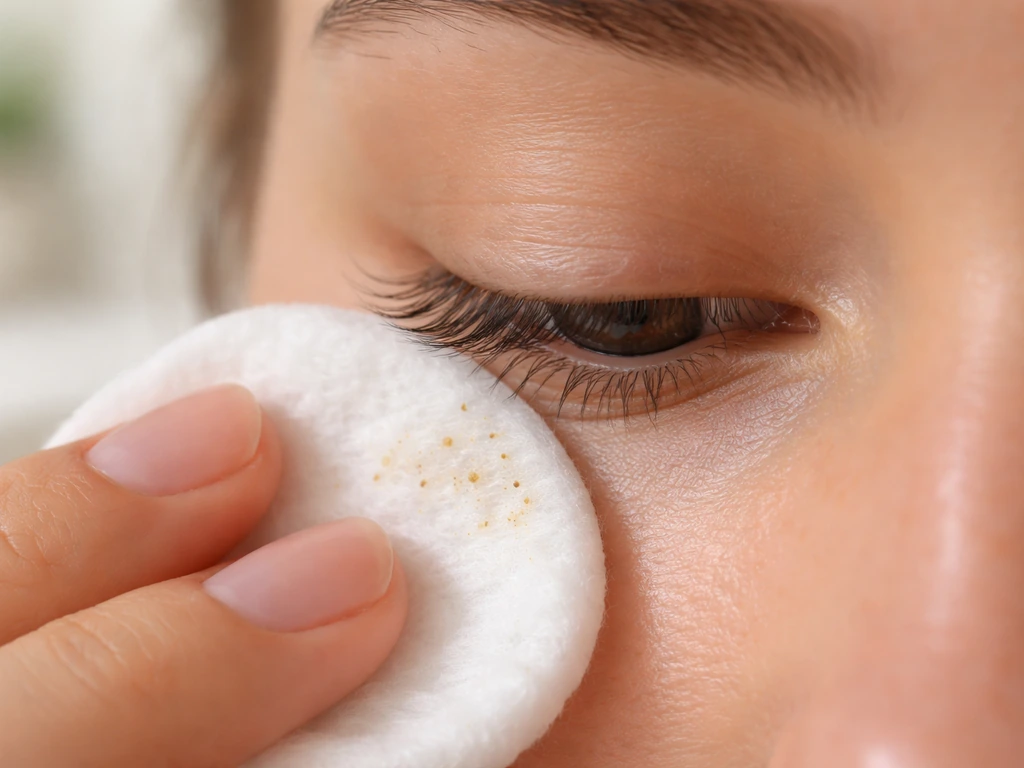
Clean lash lines matter. Debris, old makeup, and oil buildup at the follicle base can contribute to blepharitis, a chronic inflammatory condition linked to redness, crusting, and tear film instability. Use a fragrance-free, ophthalmologist-approved lid cleanser or diluted baby shampoo on a cotton pad. Clean gently, don't rub, and do it nightly if you wear eye makeup.
Conditioning oils
Castor oil, argan oil, and vitamin E oil are popular for good reason. They don't grow lashes in the clinical sense, but they coat the hair shaft, reduce brittleness, and protect against mechanical breakage. Castor oil in particular has a high ricinoleic acid content and a thick consistency that sits on the lash well overnight. Apply with a clean mascara wand to dry lashes before bed. The key is consistency over weeks, not overnight results.
Over-the-counter lash serums
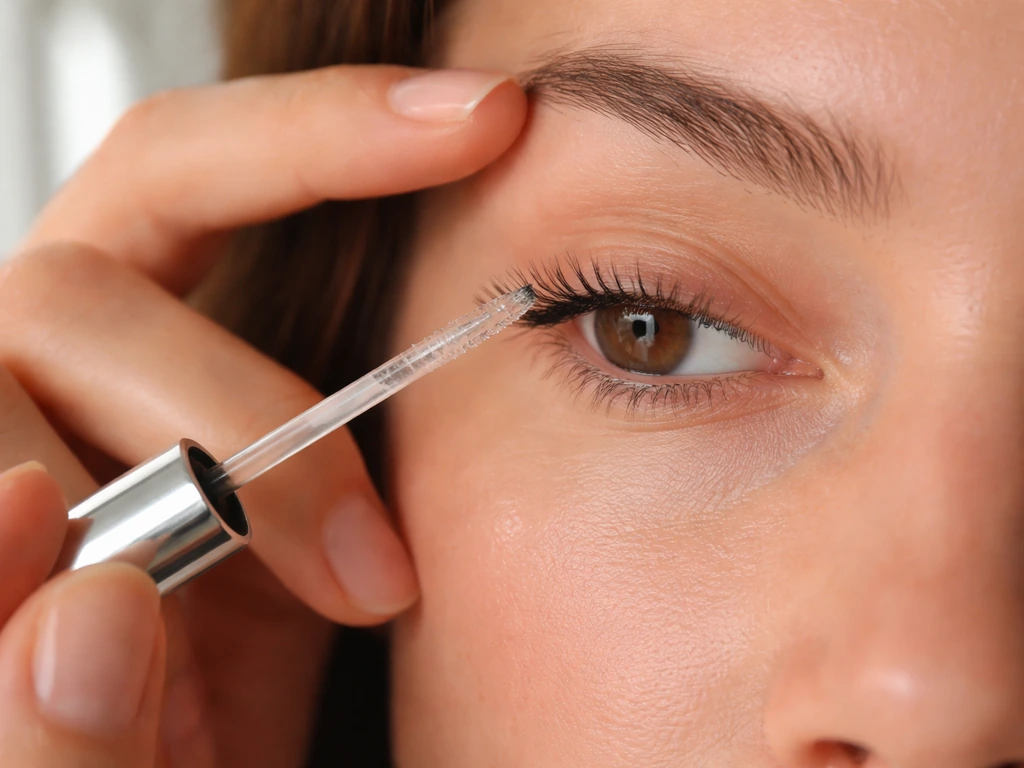
This is where you get the closest to actual growth stimulation without a prescription. A 2024 comprehensive review in the Journal of Cosmetic Dermatology evaluated both prostaglandin-related and non-prostaglandin ingredient classes in lash serums. Some compounds, including dechloro ethylcloprostenolamide (a prostaglandin analog used in OTC serums), have randomized double-blind data showing statistically significant eyelash length increases after several weeks of daily use. These aren't as powerful as prescription bimatoprost, but they're a meaningful step up from oils and far better supported than anything like salt water. Apply to the upper lash line nightly on clean, dry skin.
Avoid mechanical trauma
Lash curlers, waterproof mascara that requires hard rubbing to remove, extensions applied with harsh adhesives, and excessive eye rubbing are all significant contributors to breakage and premature shedding. If your lashes are in recovery mode, the single most impactful thing you can do is reduce trauma to the lash line. That means switching to a gentle, water-based mascara and removing it softly with a micellar water or oil-based remover. Similar logic applies to questions about whether other popular remedies like green tea or hyaluronic acid support lash health: the gentler and more nourishing the approach, the better the environment for natural regrowth.
What to avoid and when to see a professional
Stop using salt water on your lash line immediately if you experience any burning, stinging, redness, or swelling. If you develop redness, pain, or blurred vision, the American Optometric Association advises contacting a clinician promptly and removing contact lenses blank" rel="noopener noreferrer">burning, stinging, redness, or swelling. If you are wondering whether contact solution makes your eyelashes grow, the answer is that it is not a reliable lash-growth method and can irritate the lash line. These are signs of contact irritation or early dermatitis, and continuing will make things worse. Similarly, avoid any DIY eye rinse or unformulated solution that hasn't been made isotonic and sterile for ophthalmic use. The risk of introducing bacteria or disrupting the tear film is real.
You should see a doctor or dermatologist if you notice any of the following:
- Persistent redness, swelling, or burning around the eyelids that doesn't resolve within a day or two of stopping an irritant
- Scaly, crusty, or weeping skin along the lash line (possible blepharitis or contact dermatitis)
- Significant lash shedding that isn't clearly linked to a recent cause like extensions or chemo
- Pain or blurred vision after any eye area application (possible keratitis, which needs prompt evaluation)
- Lash loss that seems to be worsening progressively, which can sometimes indicate thyroid issues, alopecia areata, or nutritional deficiencies
If underlying medical conditions are driving lash loss, no topical remedy, whether salt water or castor oil, will address the root cause. A dermatologist can also prescribe bimatoprost if your lash loss is significant enough to warrant clinical intervention. It has strong safety and efficacy data across multiple randomized trials, including in chemotherapy-induced lash loss, and is the most evidence-backed option available.
Realistic timelines: what to expect and when
This is where most people get frustrated, so let's be specific. Because the resting phase of the lash cycle can last 4 to 9 months, you may not see visible new growth for several months after lash damage or loss, even if you do everything right. That's biology, not failure. The full cycle is about 90 days, and meaningful length gains happen at roughly 0.12 mm per day during the active growth phase.
| Timeframe | What's realistic |
|---|---|
| 1 to 2 weeks | No new growth; lashes may look better if you've stopped the damaging behavior and started conditioning |
| 4 to 6 weeks | Possible early regrowth of shed lashes if follicles were in late telogen; OTC serums may show early response |
| 2 to 3 months | Noticeable improvement in length and density for most people on a consistent serum or conditioning routine |
| 4 to 6 months | Full recovery from significant damage or extension-related loss; this is the realistic window for seeing results |
| Prescription bimatoprost | Significant improvement on clinical assessment scales typically seen by 4 to 6 months of daily use |
The short-term appearance boost some people attribute to salt water (lashes looking darker or slightly more defined after a swim) is a temporary effect of water and salt on the hair shaft, not actual growth. There isn't good evidence that green tea makes your eyelashes grow either, and it should not be used as a substitute for proven lash-support steps salt water (lashes looking darker or slightly more defined after a swim). It fades. Real regrowth takes months, and the things that support it are consistent conditioning, follicle protection, and in some cases clinically active ingredients. Salt water offers none of that and adds real risks. Does the sun make your eyelashes grow? The evidence suggests it does not in a meaningful, clinical way. If you are wondering about what food makes your eyelashes grow, the key is that nutrition alone rarely changes the lash growth cycle the way proven active ingredients do. Focus your energy on what's actually supported by evidence and give it the time it needs.
FAQ
If salt water does not grow eyelashes, why do they look fuller after swimming or ocean exposure?
Often it is a temporary cosmetic effect. Water and salt can change how lash hairs reflect light and can cause temporary swelling or moisture on the lash shaft, so lashes may look darker or slightly more defined for a short period. That is not the same as new lash growth from the follicle.
Is it safe to rinse my lash line with salt water occasionally, even if it is not a growth treatment?
Occasional rinsing still carries irritation risk because eyelid skin is sensitive and salt concentration can be hyperosmolar compared with your tear film. If you want to rinse anything, use only sterile, ophthalmic-grade solutions, and stop immediately if you feel burning, stinging, redness, or swelling.
Can salt water cause eyelash loss by damaging follicles or just by making lashes break?
It can do both indirectly. Repeated dryness and brittleness can increase lash breakage, which shortens visible lashes. Chronic inflammation or irritant dermatitis at the lash line can also disrupt a healthier follicle environment, making regrowth harder over time.
What should I do right after I accidentally get salt water in my eyes or on my lash line?
Rinse gently with sterile saline or clean water, avoid rubbing, and keep the area calm for the next 24 to 48 hours. Do not apply oils or serums immediately if the area feels irritated, and discontinue any product that makes symptoms worse.
Do “salt water” home remedies like DIY saline sprays or nebulizer salt solutions work for lash growth?
No, and they can be risky if they are not sterile and isotonic for ophthalmic use. Even if they contain saline, DIY mixing can lead to wrong concentration and non-sterile exposure, which increases irritation and infection risk at the eyelid margin.
Does bathing lashes in salty water help with lash thickness, not just length?
There is no evidence that saline exposure increases lash thickness by affecting the growth cycle. Any apparent thickening is more likely from temporary coating or changes in how the lash shaft looks when wet, and that effect fades.
If I stop using salt water, how long will it take for irritation or dryness to improve?
It depends on how inflamed your skin is, but eyelid irritation from irritants can take days to a few weeks to settle. Visible lash changes from breakage can lag, because you typically have to wait for damaged lashes to shed and for new lashes to grow during their normal cycle.
Will castor oil or eyelash serums work faster if I still rinse with salt water?
Usually no. Adding salt water can undermine the goal by drying and irritating the lash line, which increases breakage and can worsen the follicle environment. If you are using an evidence-backed active serum or conditioning oils, prioritize gentle cleansing and consistent application instead of saline exposure.
How can I tell the difference between lash shedding and lash breakage?
Breakage often looks like shorter, uneven lashes with snapped tips, while true shedding is more like gradual thinning as lashes fall from the root. Irritation-driven dryness commonly increases breakage, so reducing friction and harsh removal usually helps the most.
What are the signs that I should see a clinician rather than trying home care for lash loss?
Get medical advice if you have persistent burning, redness, swelling, eyelid crusting, intense itching, or lash loss that is progressing quickly. A dermatologist or eye professional can assess for conditions like blepharitis, dermatitis, medication effects, or hormonal causes that topical products cannot fix.
Next Article
Does Green Tea Make Your Eyelashes Grow? Science, Evidence, and Safe Use
Does green tea grow eyelashes? Evidence, realistic timelines, safety tips, and safer lash growth alternatives.