Latisse is not approved to grow hair on your head. It is FDA-indicated only for eyelash hypotrichosis, meaning it is specifically cleared to increase eyelash length, thickness, and darkness. [Finasteride 1 mg](https://dailymed. nlm.
Can Latisse Grow Hair on Your Head? Safety and Results
Rachel Nguyen
30 May 2026
nih. gov/dailymed/fda/fdaDrugXsl. cfm? setid=fa19372d-027d-a91b-f58e-1bdb8fd7e2b6&type=display) is FDA-labeled for male pattern hair loss (androgenetic alopecia) in men only, and it is contraindicated in pregnant or potentially pregnant women because of birth defect risk to a male fetus.
Will Lumigan 0. 01 grow eyelashes? The evidence and expectations are closely related to other bimatoprost-based eyelash products, but outcomes can vary by individual and proper use. If you are wondering what is in Latisse that makes eyelashes grow, the active ingredient is bimatoprost.
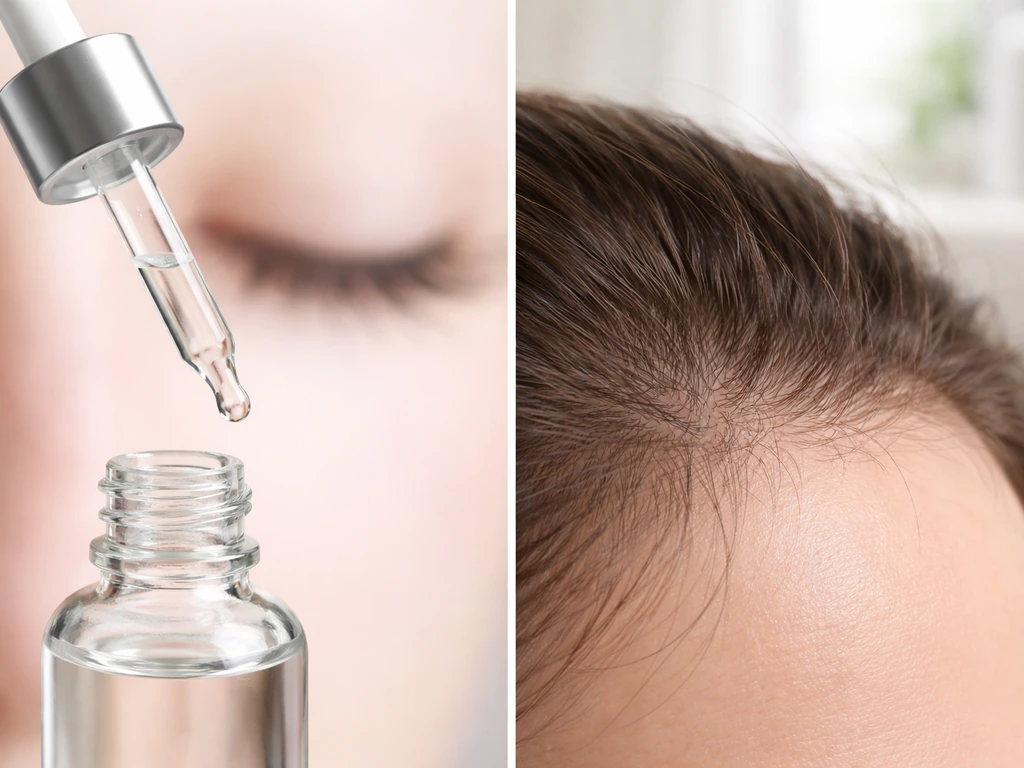
Using it on your scalp is off-label, and while some small studies have explored bimatoprost for scalp alopecia areata, there is no established evidence that it reliably regrows scalp hair in most people. If scalp hair regrowth is your goal, there are better-studied, more practical options available right now.
What Latisse is actually approved for
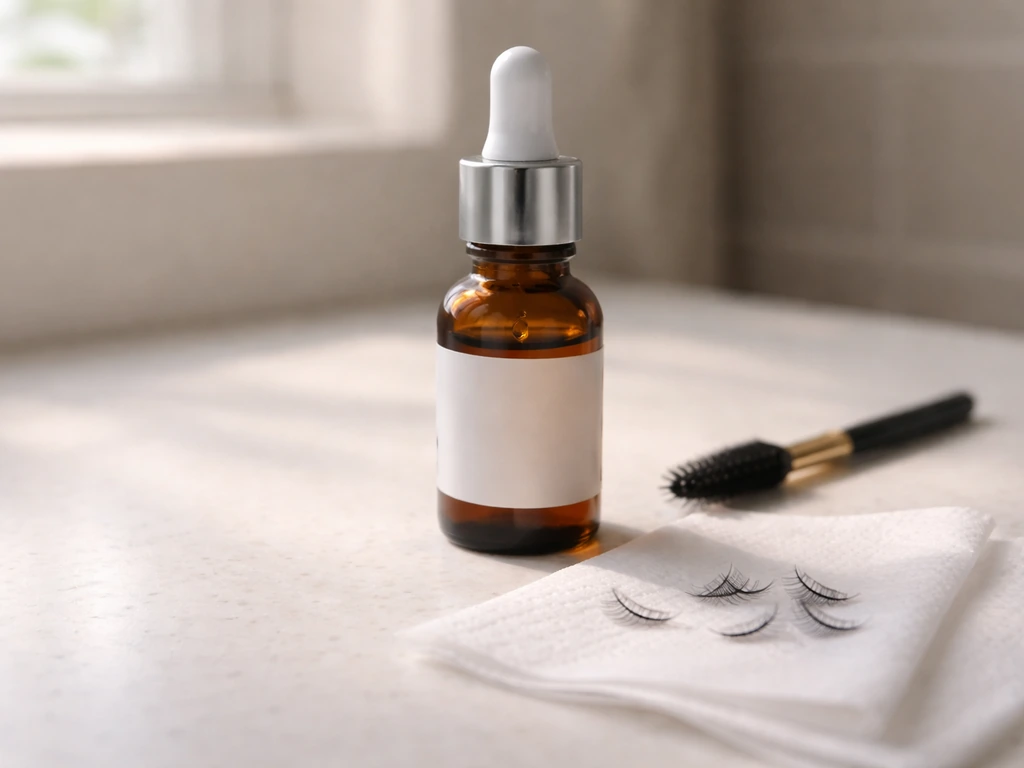
Latisse (bimatoprost ophthalmic solution 0.03%) has one FDA-approved use: treating hypotrichosis of the eyelashes. The dosing instructions in the official prescribing information describe applying the solution along the skin of the upper eyelid margin at the base of the lashes, once nightly. That is the entire approved use. The label even warns about unintended hair growth in areas where the product contacts the skin outside the treatment zone, which is a sign of how potent and site-specific the intended application is meant to be. There is no FDA-approved indication for scalp hair loss, and ClinicalTrials.gov listings for investigational scalp work explicitly label bimatoprost scalp use as investigational and not approved for that purpose.
How bimatoprost works in hair follicles
Bimatoprost is a prostaglandin analog, and it works on hair follicles through prostaglandin receptors found in follicle structures like the dermal papilla and outer root sheath. The leading hypothesis is that it prolongs the anagen phase (the active growth phase) and may stimulate follicles to enter anagen earlier than they normally would. For eyelashes, this means they grow longer, darker, and more densely because the follicle stays productive for a longer stretch of time before cycling into rest.
If you are using Lumigan to grow eyelashes, you will likely want realistic expectations about when you start seeing changes and how long full results take how long does it take for lumigan to grow eyelashes. The timeline for latanoprost eyelash growth is different from bimatoprost, so it helps to know how long it typically takes how long does it take for latanoprost to grow eyelashes.
The problem is that scalp follicles are a different environment. Eyelash follicles are naturally short-cycle follicles with a brief anagen phase, which makes them very responsive to a compound that extends that phase. Scalp follicles already run much longer anagen cycles (years, not weeks), and the receptor expression and follicle biology are not identical. Dermatology reviews consistently note that bimatoprost's evidence base is strongest for eyelashes and eyebrows, with very limited data supporting scalp hair regrowth. The mechanism that works so visibly on lashes does not simply transfer to your scalp at the same effectiveness.
What results to realistically expect on your scalp

Here is the honest picture: the scalp-level evidence for bimatoprost is thin. The most notable published work involves a pilot randomized study in alopecia areata (AA), where bimatoprost 0.03% applied twice daily for 3 months was compared to a topical steroid (mometasone furoate 0.1%). That research is disease-specific to AA patches, not androgenetic alopecia (the most common type of hair loss), and the results should not be extrapolated to general scalp use. There is also some investigational work combining fractional laser-assisted delivery with bimatoprost 0.03% in AA, but those are research-level interventions, not something you replicate at home.
For scalp androgenetic alopecia, there are no robust clinical trials showing bimatoprost regrows meaningful density. Timelines, early shedding patterns, and maximum-response benchmarks are well-characterized for minoxidil and finasteride but essentially uncharacterized for bimatoprost scalp use. And just like with eyelashes, the label and real-world counseling make clear that any benefit from bimatoprost is likely reversible once you stop using it, meaning you would need continuous application to maintain any result you do get.
Who might benefit and who should stay away
If you have alopecia areata specifically and your dermatologist is open to exploring bimatoprost as part of a supervised treatment plan, there is at least some pilot-level evidence to discuss. That is a narrow candidate pool. For most people dealing with pattern hair loss, diffuse thinning, or postpartum shedding, Latisse is not going to be your answer and there is no credible clinical support for using it that way. Does Lumify eye drops make your eyelashes grow?
For eyelash-length claims, it depends on the active ingredient, and you should look for evidence similar to Latisse rather than assume results. If you are specifically looking for the eye drops that help eyelashes grow, Latisse is the best-known option because it is FDA-indicated for lash hypotrichosis what eye drops make your eyelashes grow.
On the contraindication side, Latisse is contraindicated in anyone with a known hypersensitivity to bimatoprost or any of its ingredients. Pregnant women need to be especially cautious: the prescribing information includes pregnancy and lactation sections requiring careful review, and because you are applying a pharmacologically active prostaglandin analog to a large surface area like the scalp (rather than a tiny lash margin), systemic absorption becomes a more serious consideration. People with a history of ocular conditions, those using other prostaglandin-containing eye drops, and anyone prone to skin hyperpigmentation should also think carefully before trying this off-label.
Side effects worth knowing

Even in its approved eyelash use, Latisse comes with a real side-effect profile. The FDA label lists eye pruritus (itching), conjunctival hyperemia (redness), and skin hyperpigmentation as commonly reported reactions. Post-marketing adverse events reported by the manufacturer include dry skin of the eyelid and periocular area, eye swelling, eyelid edema, hypersensitivity and local allergic reactions, increased tearing, madarosis (lash loss, paradoxically), rash, skin discoloration, and blurred vision. When you move application to the scalp, you introduce the additional risk of product migrating toward your face or eyes during sweat, sleep, or washing, which makes avoiding unintended ocular exposure genuinely difficult.
If you still want to try it: off-label considerations and how to do it carefully
The most important step is talking to a dermatologist before you start. Off-label use is legal and happens all the time in dermatology, but it should be supervised. A dermatologist can assess whether your hair loss type even has any theoretical overlap with bimatoprost's mechanism, help you weigh risks, and monitor for skin or scalp changes over time. Do not just start applying Latisse to your head based on the logic that it worked on your lashes.
If a clinician does give the go-ahead for a supervised trial, a few practical points matter. First, never let the applicator tip touch any surface other than the intended treatment area, since bacterial contamination is a labeled contamination risk. Second, apply it in a way that minimizes runoff toward your forehead, temples, and especially your eyes. Third, watch your scalp and periocular skin for early signs of hyperpigmentation, irritation, or rash. If you develop eye redness, sudden vision changes, conjunctivitis, or severe local reactions, stop use and contact your doctor immediately. The label is explicit: ocular reactions and new vision changes are reasons to stop and seek care.
Better-proven options for scalp hair regrowth

Because the evidence for Latisse on your scalp is so limited, it makes sense to know what actually has robust clinical support. These are not workarounds; they are the options with the most rigorous trial data.
| Treatment | Evidence Level | Who It's For | Key Practical Notes |
|---|---|---|---|
| Minoxidil (topical or oral) | FDA-approved (topical), strong RCT base | Men and women with androgenetic alopecia | Requires consistent ongoing use; effects reverse if stopped; combine with microneedling for enhanced results per RCT data |
| Finasteride 1 mg (oral) | FDA-approved for male pattern hair loss | Men with androgenetic alopecia only | Contraindicated in women who are or may become pregnant due to fetal risk |
| Dutasteride 0.5 mg (oral) | Phase III RCT evidence (mean +12.2 hairs/cm² vs +4.7/cm² for placebo at 6 months) | Men with androgenetic alopecia; off-label in many markets | Off-label in the US; discuss with a prescribing doctor |
| Low-level laser therapy (LLLT) | Multiple randomized sham-controlled trials | Men and women with AGA; no known pregnancy contraindication | 24-week RCT data; one 16-week trial reported +17.2 hairs/cm² and +12.6 μm thickness increase |
| Microneedling + minoxidil | RCT-level evidence in combination | Men with AGA; growing evidence in women | Combination shows superior results to minoxidil alone in 12-week RCT |
| Topical ketoconazole | Systematic review-level support for AGA | Adjunct use alongside primary treatments | Results variable; stronger as a complement than as a standalone |
Minoxidil remains the most accessible starting point for most people. Topical 5% minoxidil is over-the-counter, has decades of safety data, and works across both men and women. If you want to go further, a dermatologist can discuss finasteride or dutasteride (for men), and LLLT devices with clinical-grade evidence are now available for home use. Microneedling combined with minoxidil has emerged from RCT data as a genuinely stronger combination than minoxidil alone, which is worth discussing with your care provider if topical minoxidil alone has not been enough.
It is worth noting that if you are interested in the prostaglandin-analog angle for hair growth, latanoprost is another compound in the same drug class that has been studied more specifically in eyelash and eyebrow contexts. If you are also looking at latanoprost, the question many people ask is whether it can grow eyelashes does latanoprost grow eyelashes. But for scalp hair, the same evidence gap applies. The clearest takeaway is that bimatoprost's story for scalp hair is still largely unwritten, while minoxidil and the other options above have their chapters fully documented.
Your next steps today
- Identify what type of hair loss you have before choosing any treatment. Androgenetic alopecia, alopecia areata, telogen effluvium, and other causes each respond differently to different treatments.
- Book a dermatology appointment if you have not already. A trichoscopy or scalp examination can confirm your diagnosis, which determines your best treatment path.
- Start minoxidil if you have androgenetic alopecia and have not tried it. It is available without a prescription and has the strongest evidence base for most people.
- If you are set on trying bimatoprost off-label, do not self-prescribe. Bring the published AA pilot study data to your dermatologist and have a supervised, monitored conversation.
- Stop any product immediately and call your doctor if you notice eye redness, skin discoloration at the application site, vision changes, or signs of an allergic reaction.
FAQ
If Latisse works for eyelashes, can I use it to grow hair on my head?
Latisse is labeled for the upper eyelid lash line only. Using it on the scalp is off-label, and the evidence for reliable scalp regrowth is limited, disease-specific, and not established for most common hair loss types like androgenetic alopecia.
Can I use a different prostaglandin analog or change the dose to improve scalp hair results?
No, the approved product is a specific ophthalmic solution meant to be applied to the eyelid margin. Switching to a different prostaglandin analog or changing the concentration does not remove the risks of unintended facial or eye exposure, and it also does not create clinical evidence for scalp regrowth.
If Latisse helps my scalp hair, will the results last after I stop?
Because any potential benefit is likely reversible, stopping the drug would be expected to lead to loss of any improvement that occurred. With scalp off-label use, you should also assume timelines and outcomes are unpredictable since scalp data are thin.
Is it safe to try Latisse on the scalp if I use other eye drops or have eye problems?
Avoid it if you have a history of eye disease or you are using other prostaglandin-containing eye drops, since the main safety concern is ocular irritation and unwanted spread toward the eyes. Ask your prescriber for a compatibility check before you combine products.
What should I know about using Latisse on the scalp if I am pregnant or breastfeeding?
Pregnancy and breastfeeding require extra caution, and systemic absorption is a bigger consideration when applying to a larger scalp surface than the tiny eyelid area. Talk to your dermatologist or OB-GYN first rather than trying it on your own.
How likely is skin darkening (hyperpigmentation) with off-label scalp use?
Yes, unwanted skin pigmentation is a known risk in the approved eyelash use, and scalp application increases the chance of hyperpigmented patches on the face or along areas the product migrates to. If you already tend to scar or darken with irritation, that increases the reason to avoid DIY use.
What should I do if I do not see any scalp hair changes after a few months?
If you do not see improvement, do not keep escalating frequency or applying to new areas. A supervised trial should have a predefined stop point if you get no change, because continued exposure raises irritation and unintended ocular risks without a clear benefit.
Can I apply it with the applicator tip directly to my scalp in my usual way?
The applicator tip should contact only the intended treatment zone. Contamination risk is part of the labeled concern, so sharing tools, using on dirty skin, or reusing applicators across areas increases the odds of irritation or infection.
What is the biggest practical hazard when applying Latisse to the scalp?
A key practical risk is migration toward the face or eyes during sleep, exercise, or washing. If you cannot reliably prevent runoff, you are increasing the chance of red, itchy eyes or blurred vision, which are stop-and-call situations.
Does Latisse work better for certain causes of hair loss, like postpartum shedding or stress-related thinning?
If your hair loss looks like diffuse shedding from stress, postpartum changes, iron deficiency, thyroid issues, or a medication effect, Latisse is not a targeted treatment. Those causes often have better diagnosis-driven options, so it helps to rule them out with a clinician.
If I think I have alopecia areata, can I use Latisse on my scalp?
If you suspect alopecia areata patches, bimatoprost has only pilot-level support in that specific condition, and even then it was studied as a supervised regimen. You should have a dermatologist confirm the diagnosis before considering any off-label prostaglandin-analog approach.
What side effects mean I should stop and get medical care right away?
Yes. Some people experience paradoxical lash loss, eyelid edema, rash, or worsening irritation, even with approved eyelash use. With scalp off-label application, any eye redness, new vision changes, severe burning, or spreading rash should prompt immediate discontinuation and medical contact.
Next Article
How Long Does It Take Latanoprost to Grow Eyelashes?
Timeline for latanoprost eyelash growth, when results start, plateau, factors that affect speed, and safe at-home use