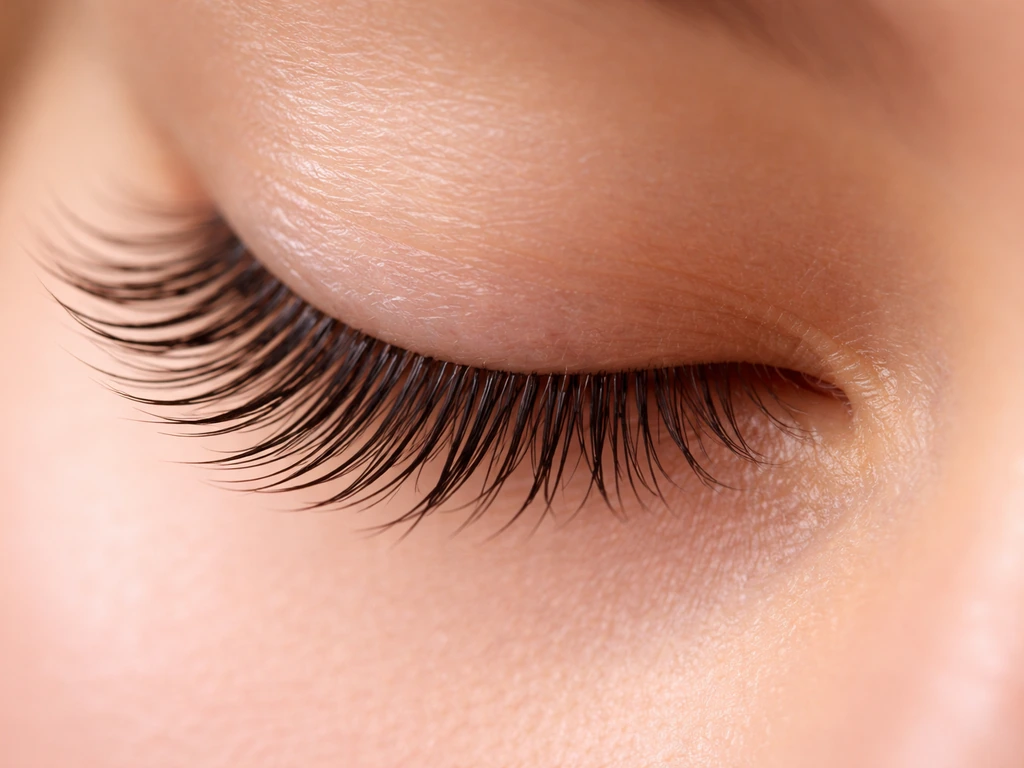
Yes, certain glaucoma eye drops can make eyelashes grow longer, thicker, and more numerous. The ones that do this belong to a drug class called prostaglandin analogs, and the effect is well-documented enough that it actually led directly to the creation of Latisse, the only FDA-approved prescription lash growth treatment. The specific ingredients to know are bimatoprost (Lumigan), latanoprost (Xalatan), travoprost (Travatan Z), and tafluprost (Zioptan). If you've heard someone say their glaucoma drops grew their lashes out, this is almost certainly what they were using.
What Glaucoma Drops Make Eyelashes Grow and What to Do Next

Rachel Nguyen
18 Jun 2026
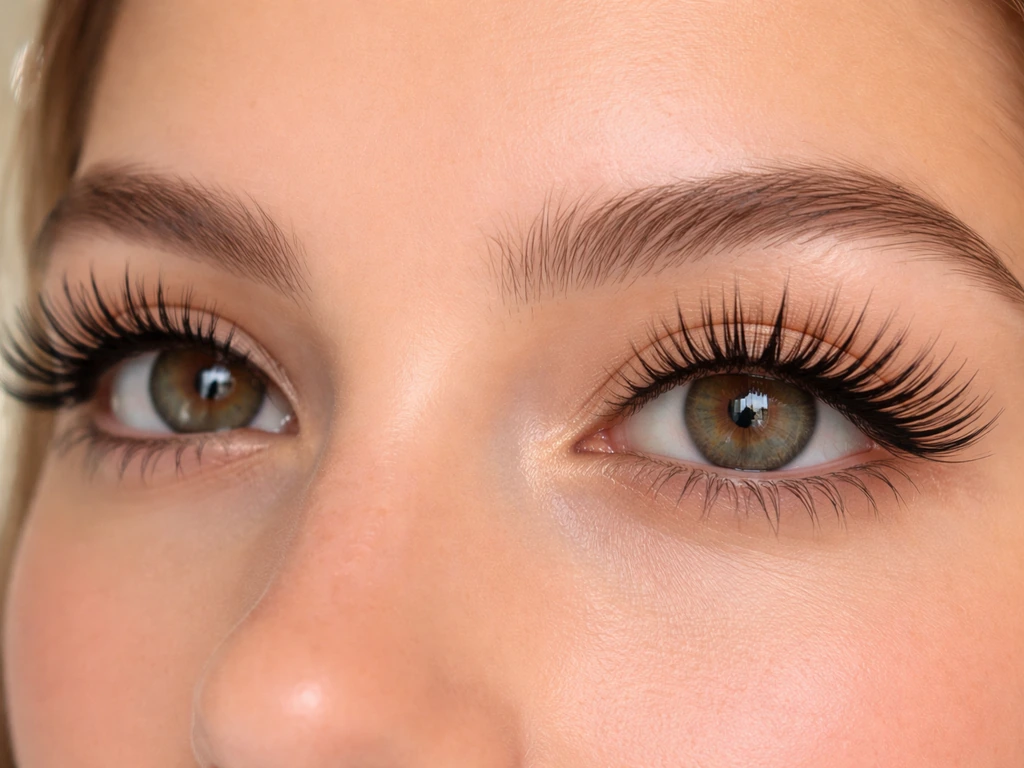
Why glaucoma drops affect eyelash growth at all
Hair follicles cycle through three phases: anagen (active growth), catagen (transition), and telogen (resting/shedding). The length your lashes can reach is largely determined by how long they stay in anagen before shedding. For eyelashes, the natural anagen phase is short, roughly 30 days, which is why lashes don't grow as long as scalp hair without help.
Prostaglandin analogs appear to work by prolonging that anagen phase and nudging resting follicles back into active growth earlier. That same prostaglandin mechanism is why Lumify eye drops are sometimes discussed for lash growth. Prostaglandin receptors are found in the dermal papilla and the outer root sheath of hair follicles, and they're most active during the anagen phase. When you apply a topical prostaglandin to the eyelid margin, those receptors respond and the follicle stays in growth mode longer than it normally would. The result is lashes that are longer, denser, and sometimes darker, because melanin production also increases in an extended anagen phase.
This wasn't a designed drug effect. It was a side effect that glaucoma patients and their doctors started noticing during treatment. Once researchers confirmed it in animal studies (bimatoprost, latanoprost, travoprost, and tafluprost have all been shown to induce eyelash hypertrichosis in rabbit models), the pharmaceutical pathway to Latisse was basically already paved.
Which ingredients specifically cause this effect
All four major prostaglandin analogs used for glaucoma list eyelash changes in their official labeling. Here's how they break down:
| Drug (Brand) | Active Ingredient | Eyelash Effect on Label | Notes |
|---|---|---|---|
| Lumigan | Bimatoprost 0.01%/0.03% | Gradual increase in length, thickness, and number | Same ingredient as Latisse at 0.03%; highest comparative evidence for lash growth |
| Xalatan | Latanoprost 0.005% | Gradual change in eyelashes (length, number) | Described as gradual; well-studied for periocular effects |
| Travatan Z | Travoprost 0.004% | Eyelash/vellus hair changes; pigmentation differences between eyes | Labeled asymmetry risk if only one eye treated |
| Zioptan | Tafluprost 0.0015% | Eyelash darkening (2%) and growth of eyelashes (2%) in clinical studies | Lower concentration; incidence data explicitly reported |
Bimatoprost has the most evidence behind it for lash growth specifically, which is why it became the active ingredient in Latisse. But latanoprost, travoprost, and tafluprost are all in the same class and produce similar periocular effects. If you're on any of these for glaucoma, eyelash changes are a documented, expected possibility, not a fluke.
How fast the changes happen and what to realistically expect
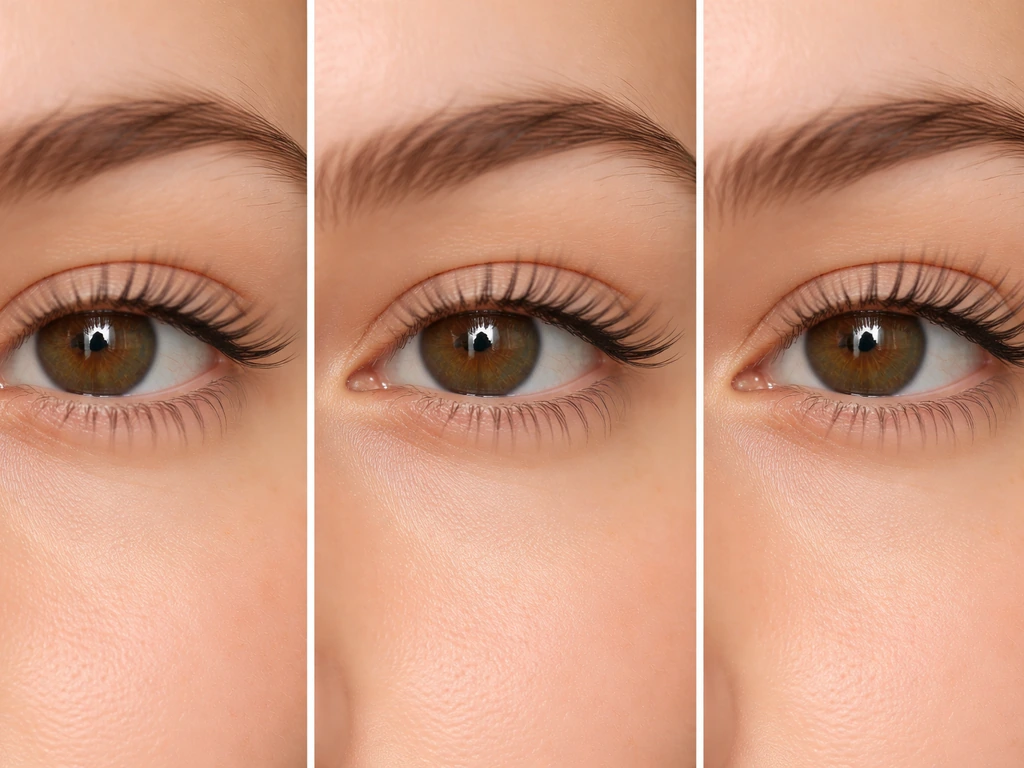
This is where a lot of people get impatient and give up too early. Lash changes from prostaglandin analogs are gradual by definition. In Latisse clinical trials, efficacy was measured at 16 weeks, meaning significant results took about four months of consistent application to show up in data. Because latanoprost is also a prostaglandin analog, the timeline for visible lash growth is similarly gradual. Real-world anecdotes from people using glaucoma drops (like those in glaucoma patient communities online) align with this: one commonly referenced account describes noticing visible changes after about 3.5 months on tafluprost.
What the changes actually look like: lashes get longer, sometimes noticeably so. They also tend to thicken and appear more numerous as previously dormant follicles start cycling again. Pigmentation can deepen too, which makes lashes look darker even without mascara. Some people also notice a change in the direction or curl of their lashes, which isn't always welcome.
The catch is that these results don't stick around once you stop. The Latisse prescribing information is explicit: after discontinuation, eyelash growth returns to pre-treatment levels. The Travatan Z (travoprost) label also lists periocular changes that can differ between eyes, including eyelid skin darkening and lash or vellus hair pigmentation, length, thickness, number, and growth direction blank" rel="noopener noreferrer">after discontinuation, eyelash growth returns to pre-treatment levels. Your follicles revert to their natural, shorter anagen phase. This means prostaglandin-driven lash growth is maintenance-dependent, not permanent.
The risks and side effects you need to know before trying this
The reason you shouldn't just buy someone's leftover glaucoma drops and start applying them to your lash line comes down to a list of side effects that range from annoying to permanent.
Iris and eyelid pigmentation
Prostaglandin analogs can permanently darken the iris (the colored part of your eye) in people with mixed-color or light brown irises. This is not reversible. Eyelid skin darkening is also a common complaint, and studies comparing the five main prostaglandin analogs found that travoprost and bimatoprost were associated with higher rates of eyelid pigmentation changes than other agents. For lash-growth-only use, this is a real cosmetic risk you're taking for a cosmetic benefit.
Asymmetry between eyes
Travoprost's label specifically warns about this: if only one eye is treated, you can end up with measurable differences in lash length, thickness, pigmentation, number, and direction between your two eyes. This can look distinctly uneven in a way that's hard to correct without stopping treatment entirely.
Eye surface and irritation effects
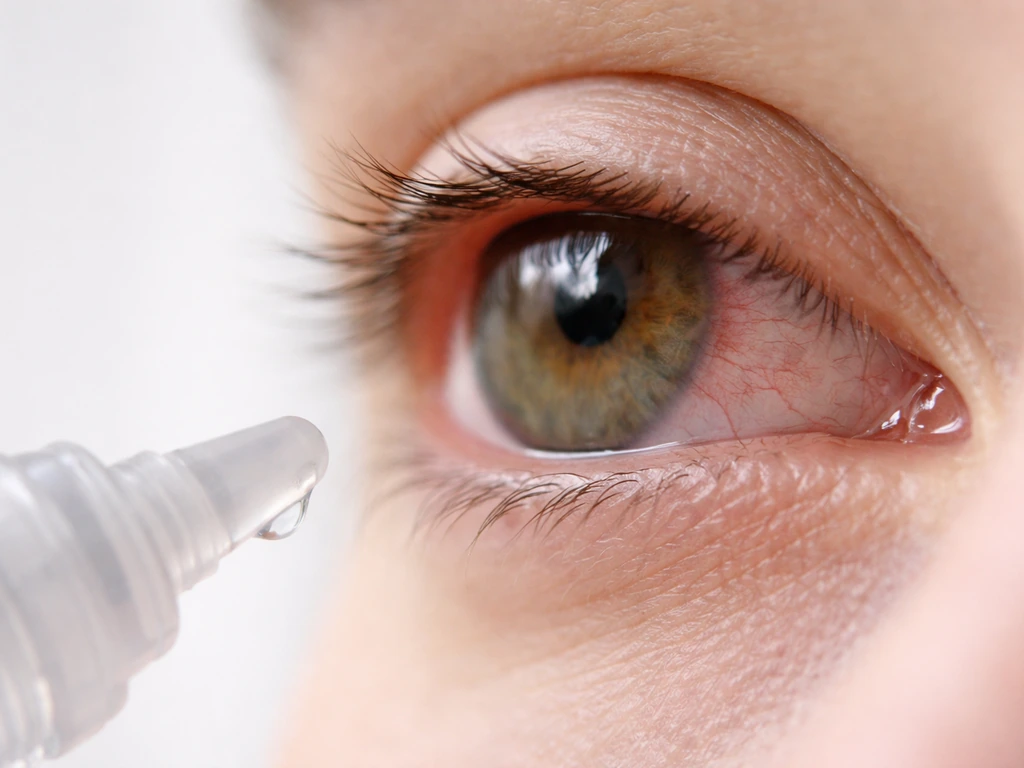
Prostaglandin analogs are formulated to go in or on the eye, but they still commonly cause conjunctival redness, dry eye, and irritation. Some people experience burning, itching, or a gritty sensation. These are acceptable side effects when the drug is treating a medical condition like glaucoma. They're harder to justify when you're chasing lash length.
Lash texture and direction changes
The labeling for multiple agents mentions changes in lash direction and texture alongside length increases. Some patients find that longer lashes curl inward toward the eye (a condition called trichiasis), which can cause eye irritation or even corneal damage in persistent cases. Lashes may also become coarser or bristle-like, which is noted as an adverse finding in periocular reaction studies.
Periorbital fat loss
Long-term use of bimatoprost and related agents has been associated with periorbital fat atrophy, a subtle sinking or hollowing around the eyes. This is more commonly reported with glaucoma patients applying drops directly into the eye rather than at the lash line, but it's worth knowing about before committing to extended use.
What to do if you want supervised access to these treatments

If you've looked at all of this and still want the real thing, the right move is a conversation with a dermatologist or ophthalmologist, not a DIY experiment with someone else's prescription.
For people with genuinely sparse lashes due to a medical condition (called eyelash hypotrichosis), Latisse is FDA-approved and prescribed specifically for cosmetic lash growth. If you are considering will Lumigan 0.01 grow eyelashes, this is also why clinicians typically focus on prescription prostaglandin analogs with documented lash effects and safety guidance Latisse is FDA-approved. A dermatologist can assess whether you're a good candidate, rule out contraindications (like a history of uveitis, macular edema, or certain iris conditions), and supervise your application technique to minimize side effects. Applying it correctly to the upper lash line only, avoiding excess product, and wiping off any that reaches the lower lid makes a significant difference in how many periocular side effects you experience.
What you should avoid: using a friend's or partner's glaucoma drops, purchasing generic bimatoprost or latanoprost without a prescription, or applying these medications without knowing your baseline eye health. Prostaglandin analogs are contraindicated or require extra caution in people with a history of macular edema, active ocular inflammation, or certain retinal conditions. Without a clinical assessment, you have no way to know whether you're in that group.
- Book an appointment with a dermatologist or ophthalmologist and ask specifically about Latisse (bimatoprost 0.03%) for eyelash hypotrichosis
- Be honest about your goals: cosmetic lash improvement, not treating glaucoma
- Ask about your iris color and whether pigmentation risk is relevant for your eye type
- Request a baseline eye exam if you haven't had one recently, especially if you have a family history of macular conditions
- If you're already on a prostaglandin analog for glaucoma, ask your ophthalmologist whether the lash changes you're seeing are expected and whether any monitoring is needed
Evidence-based alternatives and a practical at-home lash routine
If clinical options aren't accessible or you'd rather not take on the side-effect profile, there are real at-home strategies that support lash health and growth, even if the results are slower and more modest. Latisse is also commonly discussed for whether it can grow hair on the head, though it is specifically formulated for eyelashes.
Castor oil
Castor oil is probably the most popular and widely discussed lash remedy outside of prescription treatments. The evidence for it is mostly anecdotal, but there's a plausible mechanism: ricinoleic acid (its main fatty acid) has anti-inflammatory properties and may support a healthy follicle environment. Applied nightly to a clean lash line with a clean spoolie or cotton swab, it conditions lashes, reduces breakage, and over time may improve the appearance of fullness even if it isn't dramatically extending the anagen phase the way a prostaglandin does. The key word is patience: people who see results with castor oil typically report it after 6 to 12 weeks of consistent use.
Lash damage recovery
If your lash thinning is the result of damage from extensions, mechanical pulling, or harsh makeup removal, the fastest thing you can do is stop the damage. Extensions put traction stress on follicles, and repeated pulling during removal can cause traction alopecia of the lash line, which becomes harder to reverse the longer it continues. A gentle oil-based cleanser at the lash line nightly (coconut oil or micellar water work well), clean hands, and no lash curler until lashes are recovered gives damaged follicles the best shot at a full anagen cycle without interruption.
Nutrition and biotin
Biotin supplements are heavily marketed for lash and hair growth, but the evidence only really supports them if you have a biotin deficiency, which is uncommon in people eating a reasonably varied diet. If your diet is limited or you've recently had significant weight loss or illness, a basic multivitamin covering biotin, zinc, and iron is worth considering. These micronutrients support the keratin production lashes depend on. Don't expect biotin alone to turn thin lashes into dramatic ones if your levels are already normal.
A simple nightly lash routine
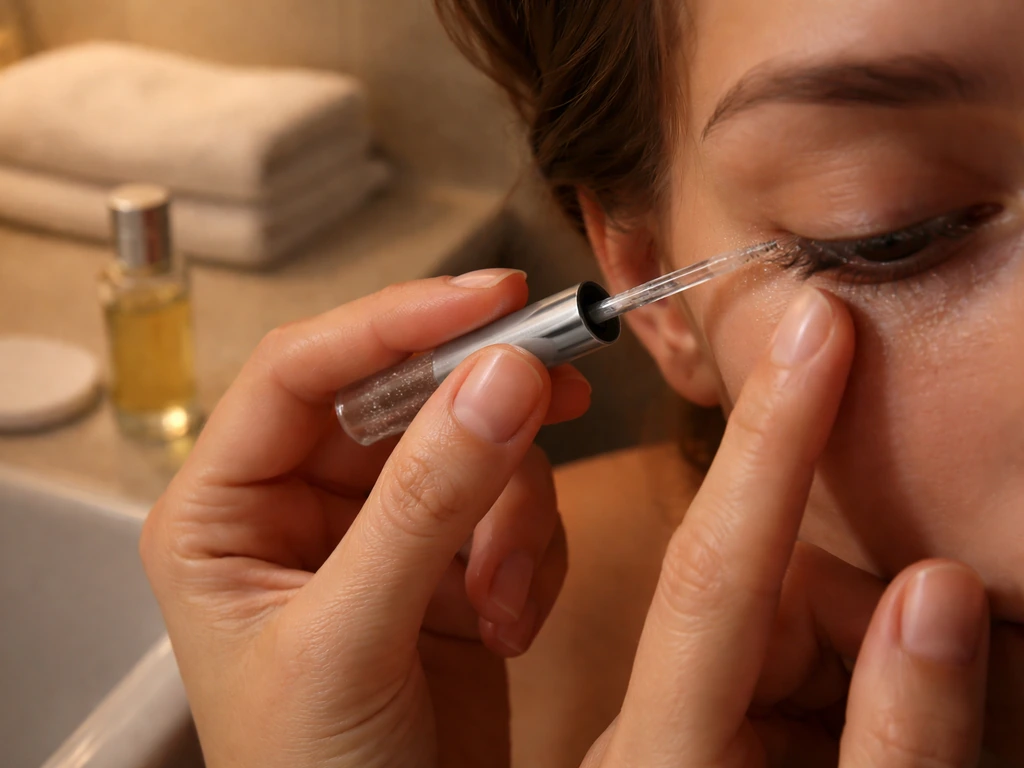
- Remove all eye makeup fully before bed using a gentle, oil-based remover or micellar water. Don't rub; press and dissolve.
- Apply a small amount of castor oil or a peptide-based lash serum to the upper lash line using a clean spoolie. Less is more.
- Avoid waterproof mascara daily; switch to regular formulas that come off without aggressive rubbing.
- Take a break from lash extensions if thinning is noticeable. Give your follicles at least one full growth cycle (roughly 6 to 8 weeks) to recover before reapplying.
- Stay consistent. Skipping nights constantly is the main reason at-home routines don't work.
How to evaluate lash serums and avoid falling for misleading claims
The lash serum market is enormous and full of products making growth claims they can't legally back up unless they're FDA-approved drugs. Here's how to sort the useful from the noise.
The only ingredient with FDA approval specifically for eyelash growth is bimatoprost 0.03% (Latisse). Latisse is a prescription option that uses a prostaglandin analog to extend the lash growth phase. Any over-the-counter product claiming to grow lashes is technically a cosmetic, not a drug, which means it can improve the appearance or condition of lashes but cannot legally claim to change their biological growth cycle. That doesn't mean OTC serums are worthless, but it does mean the claims on the box are often inflated.
When evaluating a serum, look for these evidence-supported ingredients:
- Peptides (especially tripeptide-1 and myristoyl hexapeptide-16): these signal growth factors and have some in-vitro evidence for follicle support
- Biotin (as a topical): limited evidence but low risk; common in conditioning formulas
- Panthenol (provitamin B5): supports moisture retention and reduces lash brittleness
- Keratin-based proteins: help with structural conditioning and breakage reduction
- Isopropyl cloprostenate: a synthetic prostaglandin analog found in some OTC serums; it can produce mild lash growth effects and carries some of the same pigmentation risk as prescription analogs, though typically less pronounced at OTC concentrations
Watch out for isopropyl cloprostenate specifically: it's the ingredient that gives some OTC lash serums their actual growth kick, but it also carries a real (if lower) risk of eye irritation and periocular pigmentation. OTC lash serums that claim lash growth can vary widely in their ingredients and safety risks. It's not regulated the same way as prescription prostaglandins, so the concentration and purity vary by brand. If you have sensitive eyes or light-colored irises, it's worth knowing it's in the formula before you commit to a product.
For biotin-focused products: they're fine as a conditioning add-on but are not the active mechanism behind any meaningful lash length increase in otherwise healthy people. Don't pay a premium for a serum that's primarily marketing biotin as a growth driver.
Finally, the best proxy for whether a product is worth trying is clinical testing data, not before-and-after photos. Look for brands that publish their own controlled trial results (even small ones) and list their active ingredients clearly with concentrations. If the ingredient list is vague or the main claim is based purely on testimonials, that tells you everything you need to know about what the formula is actually doing.
FAQ
If I use my glaucoma drops on schedule, how can I minimize lash and eyelid side effects?
If you’re using a prostaglandin analog for glaucoma, you generally cannot “target” only the lash line. A practical way to reduce transfer is meticulous technique, apply only to the upper lash margin, use a minimal amount, and wipe off any that reaches the lower lid. Even with good technique, some eyelid pigmentation and uneven effects between eyes can still happen.
Can glaucoma drops make lashes grow more in one eye than the other?
Yes, but it’s not usually the same outcome. One eye may respond more strongly than the other, because drug exposure and eyelid placement differ side to side, and that can create visible asymmetry. If you notice one eye’s lashes darkening or lengthening faster, stop DIY experimenting and ask your prescriber about dose timing or switching agents rather than continuing blindly.
Why is it a bad idea to use someone else’s glaucoma drops on your lashes?
Don’t start with a random leftover prescription. Aside from the wrong medication or concentration, there’s a risk of contraindications and dosing errors (including contamination). If you want a prostaglandin-based option, ask for the FDA-approved lash indication, because that path also comes with clearer safety guidance and supervised application.
Do lash results from prostaglandin glaucoma drops last after you stop?
If you stop, lashes typically revert toward their earlier state rather than staying permanently enhanced. Plan for maintenance if you want continued length or thickness, and consider that restarting later can take weeks to months again to build visible change.
How long should I wait before deciding whether the drops are actually making lashes grow?
Expect a longer timeline than many people assume. A common reason people think it “doesn’t work” is stopping before the growth cycle shows results, so give it at least several months of consistent, correct application before judging. Also track changes separately from irritation, because redness can happen before visible length changes.
What symptoms mean I should stop and contact an ophthalmologist immediately?
If you get severe redness, pain, light sensitivity, or vision changes, treat that as a medical red flag and contact an eye clinician promptly. Mild dryness can be bothersome but usually is not the same as symptoms suggesting inflammation or other complications.
Can these drops cause lashes to curl inward or irritate my eyes?
Yes. Lashes can become more misdirected or curl differently, and persistent lash-direction problems can irritate the eye surface. If you develop persistent irritation, foreign-body sensation, or worsening redness, don’t just “wait it out,” get an exam so you can assess lash alignment and corneal impact.
What application habits matter most if I’m trying to reduce irritation?
Using an eyelash-growth product on the upper lid margin only, avoiding spread to the lower lid, and keeping the area clean can reduce some side effects. Also, don’t apply over mascara or while your eyes are actively irritated, because that increases irritation and makes product tracking harder.
Who should not use prostaglandin-based lash growth products without extra evaluation?
Before using any prostaglandin analog for lashes, clinicians usually screen for conditions such as prior intraocular inflammation and specific retinal problems, because the risk profile changes. If you have a history of uveitis, macular edema, or complex retinal disease, you should not self-select a product and should ask for ophthalmology clearance.
Are over-the-counter “prostaglandin” lash serums safer or more reliable than prescription options?
OTC lash serums can contain prostaglandin-like ingredients, but they do not carry the same regulatory and dosing certainty as prescription options. If the label lists an isopropyl cloprostenate ingredient, be extra cautious about irritation and pigmentation risk, especially if you have sensitive eyes or lighter irises.
What if my lashes are thinning due to extensions or makeup damage, not naturally sparse lashes?
If your lashes are thinning from traction, harsh removal, or extensions, prostaglandin analogs may not fix the root cause. The fastest improvement often comes from stopping the mechanical stress, then supporting regrowth with gentler cleansing and time, while considering clinician-guided options if you still want a growth boost.
Next Article
How Long Does It Take for Lumigan to Grow Eyelashes?
Lumigan bimatoprost lash growth timeline, when you’ll see length or thickness changes, side effects, and safe use tips.