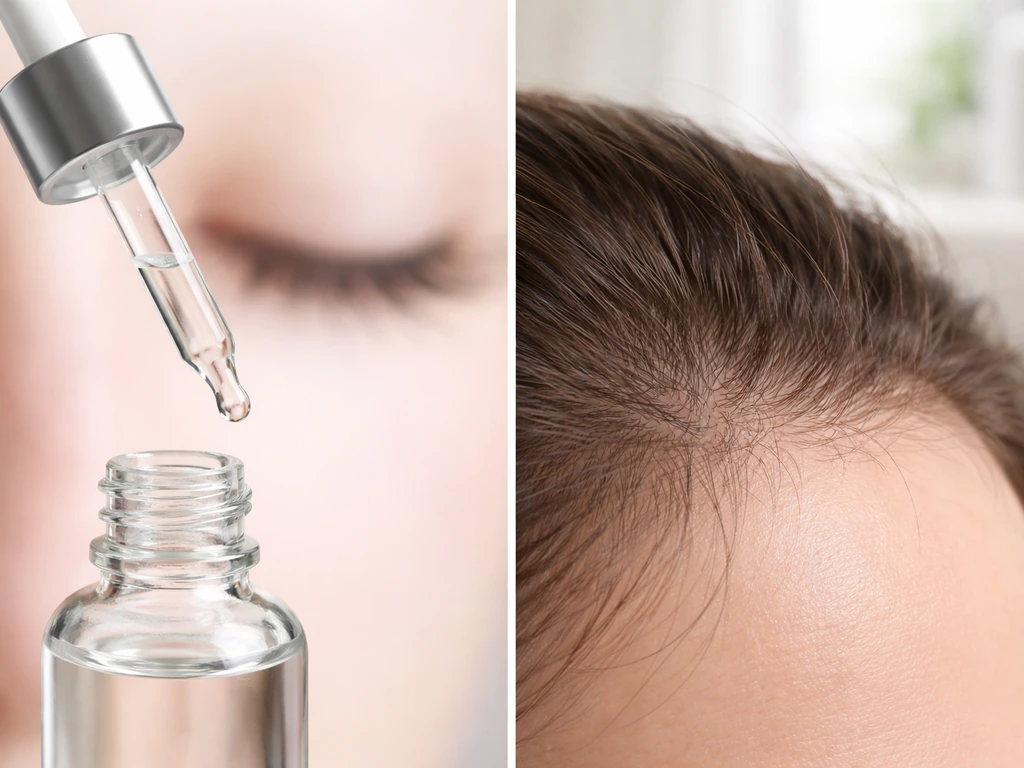
Lumigan (bimatoprost 0.01%) typically starts showing visible eyelash changes somewhere between weeks 8 and 12, with the most noticeable results building through month 4 of consistent daily use. Clinical data from bimatoprost trials shows that about 50% of people see a meaningful improvement in overall lash prominence by week 8, jumping to around 69% by week 12 and nearly 79% by week 16. So if you're two weeks in and still don't see much, that's completely normal. If you're wondering how long it takes for latanoprost to grow eyelashes, the overall timeline is similar, but individual response can vary how long does it take for latanoprost to grow eyelashes. Real, measurable growth takes time because it works through your hair follicle cycle, not like a cosmetic product you paint on.
How Long Does It Take for Lumigan to Grow Eyelashes?

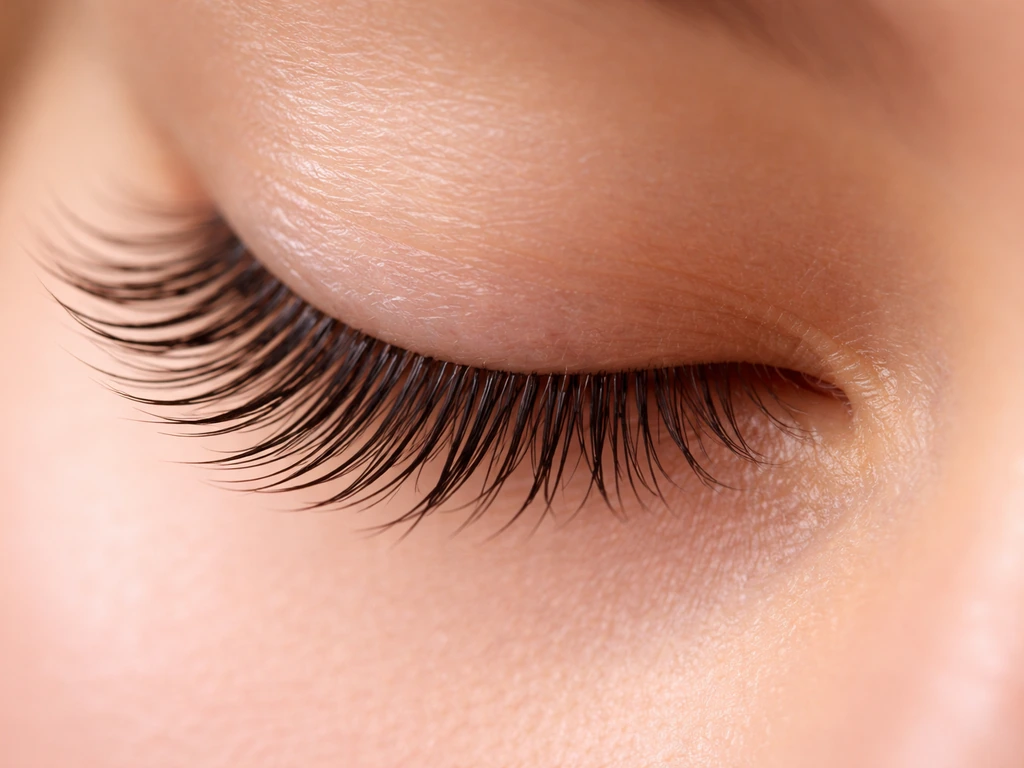
What Lumigan is and why it affects eyelash growth
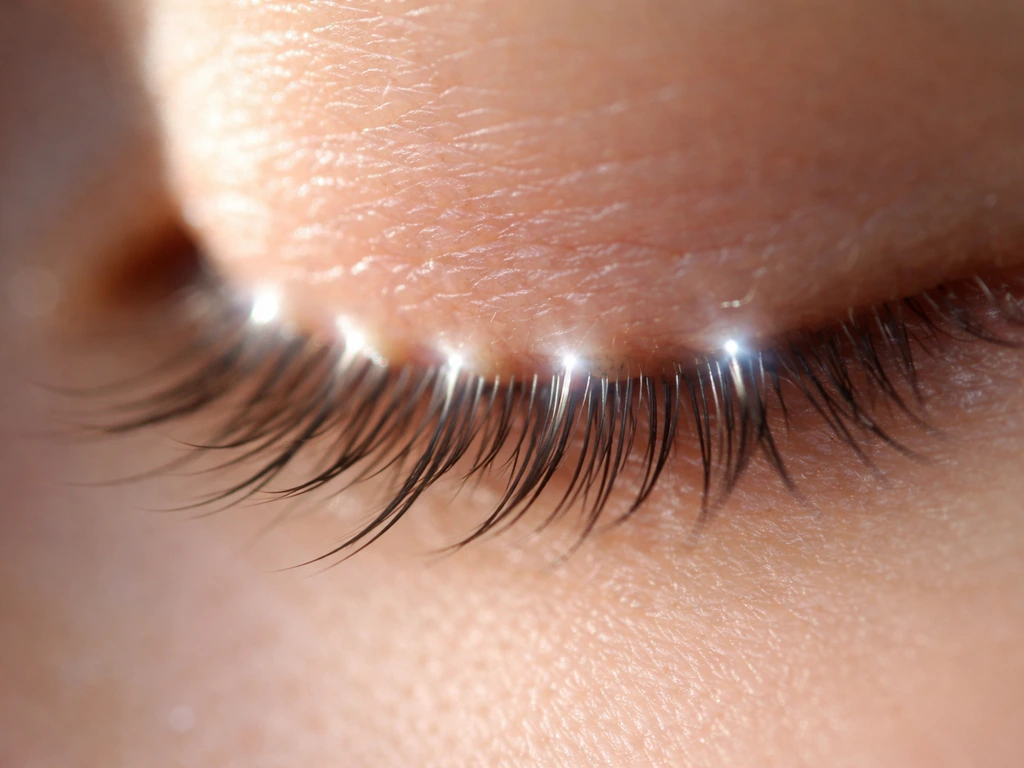
Lumigan is a prostaglandin analog ophthalmic solution, originally approved to reduce intraocular pressure in glaucoma patients. Its active ingredient, bimatoprost, belongs to the prostamide class and was noticed to grow eyelashes as a side effect in glaucoma patients, which eventually led to the development of the FDA-approved eyelash treatment Latisse (bimatoprost 0.03%). Lumigan at 0.01% contains the same active ingredient at a lower concentration.
The way bimatoprost grows lashes is genuinely interesting. Your eyelash follicles cycle through three phases: anagen (active growth), catagen (transition), and telogen (resting/shedding). Bimatoprost is thought to work by nudging follicles that are sitting in the resting phase into the active growth phase, while also prolonging how long follicles stay in anagen. The result over time is more follicles actively growing at once, plus longer individual growth periods, which translates to lashes that look longer, darker, and thicker. This is not a quick cosmetic fix. It's a follicle-level change that unfolds over weeks because that's simply how hair biology works.
The realistic Lumigan lash growth timeline
Here's where most people get frustrated: they expect to see something dramatic within the first week or two, and when they don't, they assume it isn't working. The clinical data tells a very different story. Because bimatoprost is shifting follicles through their natural cycle rather than forcing instant growth, the timeline is gradual by definition.
| Timeframe | What the Data Shows | What to Expect |
|---|---|---|
| Week 1-2 | Roughly 5% see improvement in overall prominence | Little to no visible change; this is normal |
| Week 4 | About 15% show measurable improvement | Possibly slightly darker lashes; subtle at best |
| Week 8 | Around 50% show meaningful lash improvement | Noticeable increase in length or thickness for many |
| Week 12 | About 69% respond positively | Clearly fuller, longer, or darker lashes for most users |
| Week 16 | Roughly 78% show significant improvement | Near-peak results; consistent daily use is key |
| Week 20+ | About 79% maintain improvement | Results plateau; maintenance requires continued use |
These percentages come from pivotal clinical trials on bimatoprost applied to the upper eyelid margin, and they're the most reliable benchmark available. The takeaway: don't judge Lumigan at four weeks. In the Japanese multicenter controlled trials, primary outcomes measured at Month 4 (end of treatment) showed significant improvements, supporting that noticeable growth is generally established by around four months with continued daily use. The real assessment window is 8 to 16 weeks of consistent daily application.
What 'working' actually looks like versus a red flag
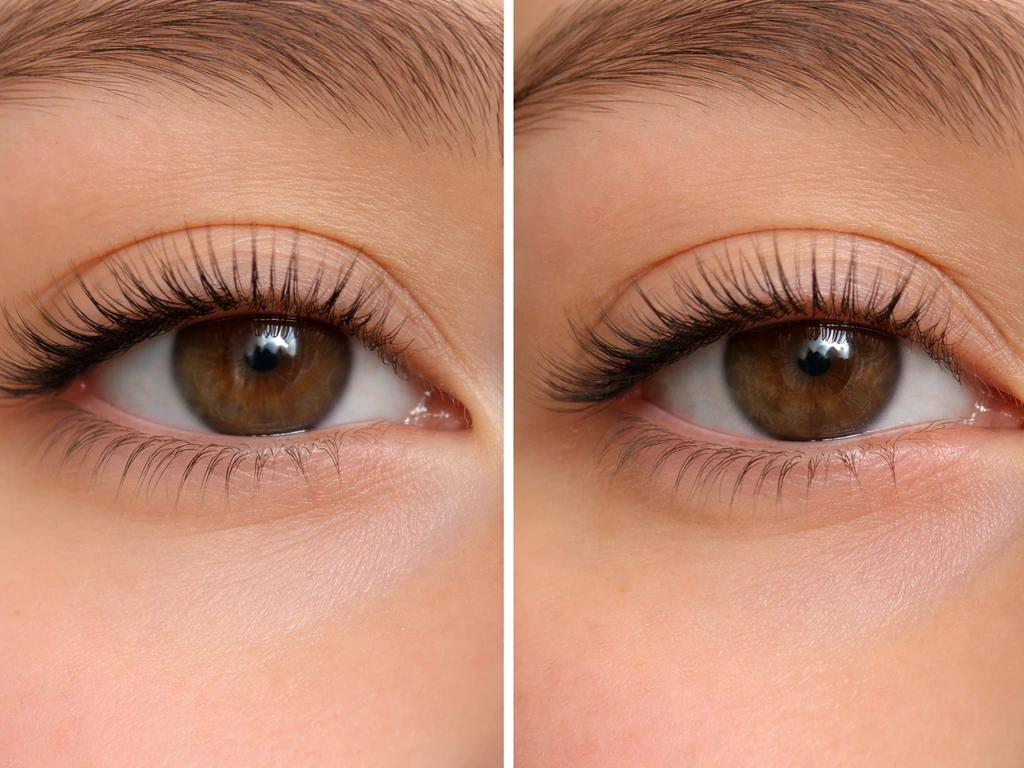
Signs that Lumigan is doing its job
- Darkening: lashes often become visibly darker before they get noticeably longer, because bimatoprost also increases melanin in the hair shaft
- Length: individual lashes start extending beyond their previous baseline, typically first visible around weeks 8-10
- Thickness and fullness: you may notice gaps filling in, or lashes that were sparse looking more uniform
- Reduced shedding cycles: lashes may seem to stay longer before falling out, because anagen is prolonged
- Gradual change: progress is slow and steady, not sudden
Red flags worth paying attention to
- Significant eye redness, pain, or swelling that gets worse rather than better over time
- Darkening of the eyelid skin that's spreading or patchy in areas you didn't apply the product
- New or worsening eye inflammation, discharge, or sensitivity to light
- Lashes growing in the wrong direction (trichiasis), which can scratch the eye
- Zero change in any lash characteristic after 12-16 consistent weeks, which warrants a conversation with your prescriber
It's worth separating mild, temporary side effects (like some initial redness or mild itch that fades) from persistent or worsening symptoms that are actually red flags requiring medical attention. Most mild irritation in the first one to two weeks settles down. Symptoms that escalate or don't resolve are a different story.
How to use Lumigan safely and consistently for lash growth
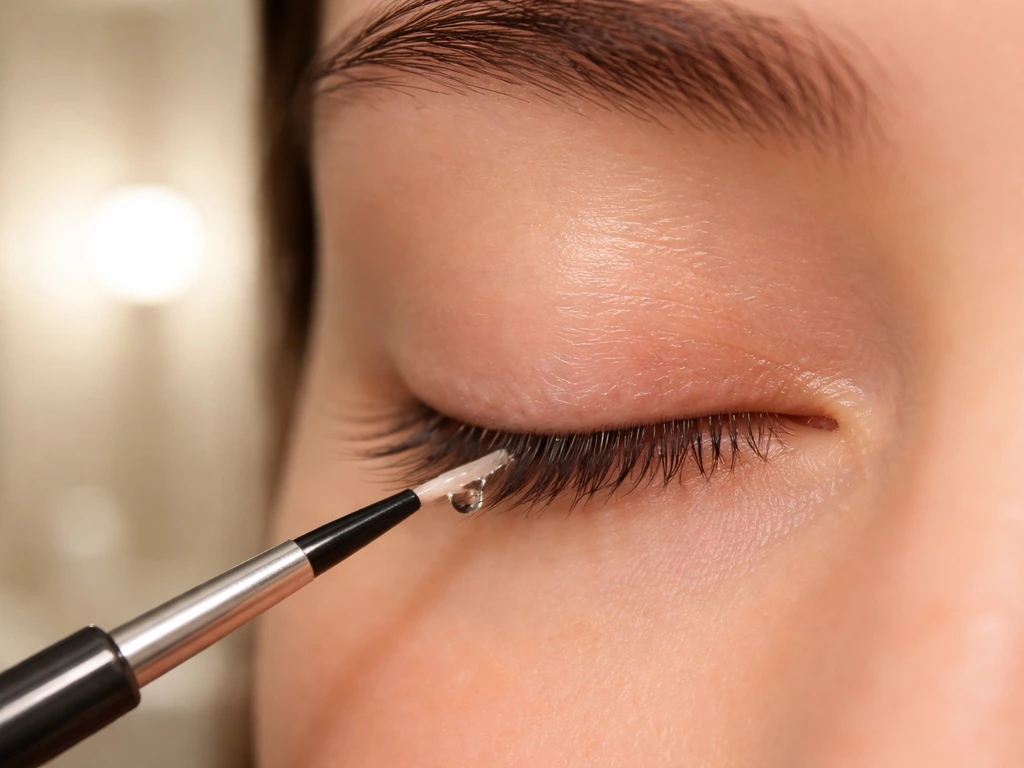
Application technique matters more than most people realize. Getting Lumigan to the right place, in the right amount, at the right time isn't complicated, but skipping any part of it affects both your results and your safety. Apply carefully across the skin of the upper eyelid margin at the base of the eyelashes, and do not apply directly into the eye or on the lower lid; blot excess solution with a tissue, and remove contact lenses before applying then reinsert 15 minutes later.
- Apply once daily at bedtime, every night. The nighttime timing keeps residual solution on the skin during hours when you're not blinking it away or exposing it to light
- Remove contact lenses before application and wait at least 15 minutes before reinserting them
- Apply carefully to the upper eyelid margin only, at the very base of the upper lashes (the skin line where lashes emerge), using a sterile applicator
- Do NOT apply to the lower lid margin. Solution applied below will migrate to the lower lashes anyway via natural eye movement, and applying directly to the lower lid increases skin exposure and hyperpigmentation risk
- Blot any excess solution immediately with a clean tissue. You don't need much, and excess that pools on the skin around the eye is what causes periorbital skin darkening
- Never let the tip of the applicator or bottle touch your eye, eyelid, or any surface, to avoid contaminating the solution
- Wash your hands before and after application
Consistency is everything here. Missing multiple days resets the biological signal you're sending to follicles. If you're using Lumigan as a glaucoma drop and getting lash growth as a side effect, you're already on a consistent schedule. If you are specifically looking at what glaucoma drops can help grow eyelashes, the most discussed active ingredient is bimatoprost. If you're applying it off-label specifically for lashes, treat it like any other nightly skincare step, something that happens at the same time every evening without exception.
Why your results might be slower than expected
Not everyone hits that 50% responder mark at week 8. Several real-world factors push individual timelines in either direction, and understanding them helps you troubleshoot rather than panic.
Biological factors you can't fully control
- Baseline follicle cycling: if most of your follicles are already in anagen when you start, you won't see the shift as quickly as someone whose lashes were mostly in the resting phase
- Age: follicle responsiveness naturally slows with age, which can extend the timeline for visible results
- Hormonal status: thyroid dysfunction, hormonal imbalances, and postpartum shedding all affect how follicles respond to growth signals
- Prior damage history: if your lashes were damaged by chronic extension use, traction, or repeated irritation, follicles may be slower to respond initially
Application and adherence issues worth checking
- Inconsistent application: even missing three to four nights a week significantly blunts the cumulative effect on follicle cycling
- Wrong placement: applying too far from the lash base, or to the lower lid only, reduces efficacy
- Too much product: using more than a thin line doesn't speed up results and increases skin irritation risk
- Stopping and restarting: breaks in use mean follicles can cycle back toward telogen, requiring you to essentially restart the process
Because follicles cycle asynchronously (they're not all at the same stage at once), early visible change is genuinely variable even between two people using exactly the same regimen. Some people notice lash darkening by week 6, others don't see real length changes until week 10 or 11. This is biology, not failure. The clinical benchmarks (50% at week 8, 69% at week 12) confirm that a significant portion of users are still building response well past the one-month mark.
Side effects, safety precautions, and when to get help
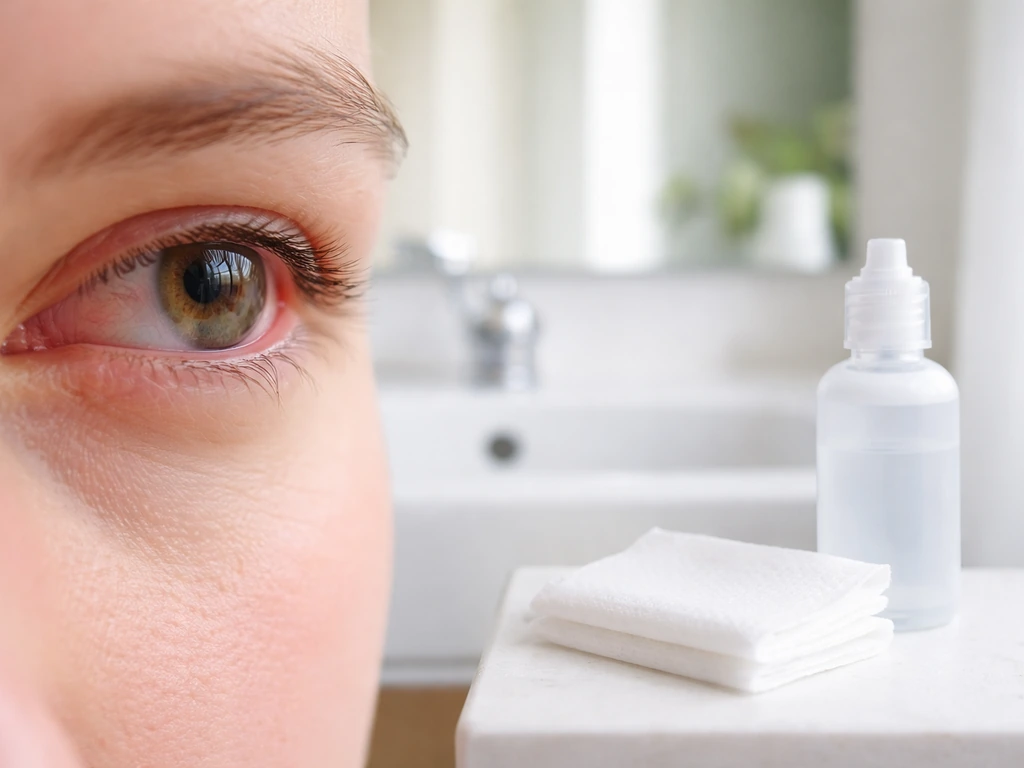
Lumigan's safety profile is well-documented from its use as a glaucoma medication, so there's solid data here rather than guesswork. Eye redness is the most frequently reported side effect, occurring in about 31% of patients using Lumigan 0.01%. Most of the time this is mild and improves with continued use, but it's worth knowing it's common so you're not caught off guard.
Common side effects
- Eye redness (conjunctival hyperemia): most common, affects roughly 1 in 3 users
- Eye itching or pruritus
- Dry eye symptoms
- Mild ocular irritation
- Skin darkening (hyperpigmentation) around the eyelids or periorbital area if solution spreads beyond the target zone
- Eyelid redness or periorbital erythema
Less common but more serious concerns
- Iris pigmentation changes: bimatoprost can permanently darken the iris (the colored part of your eye) if it enters the eye repeatedly. This is listed as likely permanent even if you stop using the product, which is why correct application that avoids getting solution into the eye is so important
- Periorbital skin pigmentation: darkening of the skin around the eye is considered reversible in some patients after stopping, but it's not guaranteed to fully reverse
- Eyelid edema (swelling)
- Trichiasis: lashes growing in the wrong direction
- Temporary eyelash breakage
- Intraocular inflammation (uveitis): rare but documented; extra caution is warranted if you have any active eye inflammation
Stop use and contact your prescriber or an eye care professional promptly if you experience eye pain, sudden vision changes, significant or worsening eye inflammation, or any allergic reaction (rash, swelling, severe irritation). Do not try to push through these symptoms hoping they'll settle.
Lumigan is a prescription medication. If you're using it off-label for lash growth rather than under a glaucoma prescription, you should be doing so under medical guidance. This matters especially because of the iris pigmentation risk and the need to confirm there are no contraindications with your eye health.
What to do if results aren't showing up on schedule
Here's how to think through it at specific milestones, because the right action depends on where you are in the timeline.
At 4 weeks with no change
This is too early to draw any conclusions. Only about 15% of people show measurable improvement at this point. Review your application technique (are you applying nightly, to the correct upper lash line, with proper blotting?), confirm you haven't missed several nights, and continue. Don't increase frequency or amount thinking it will speed things up.
At 8 weeks with no visible change
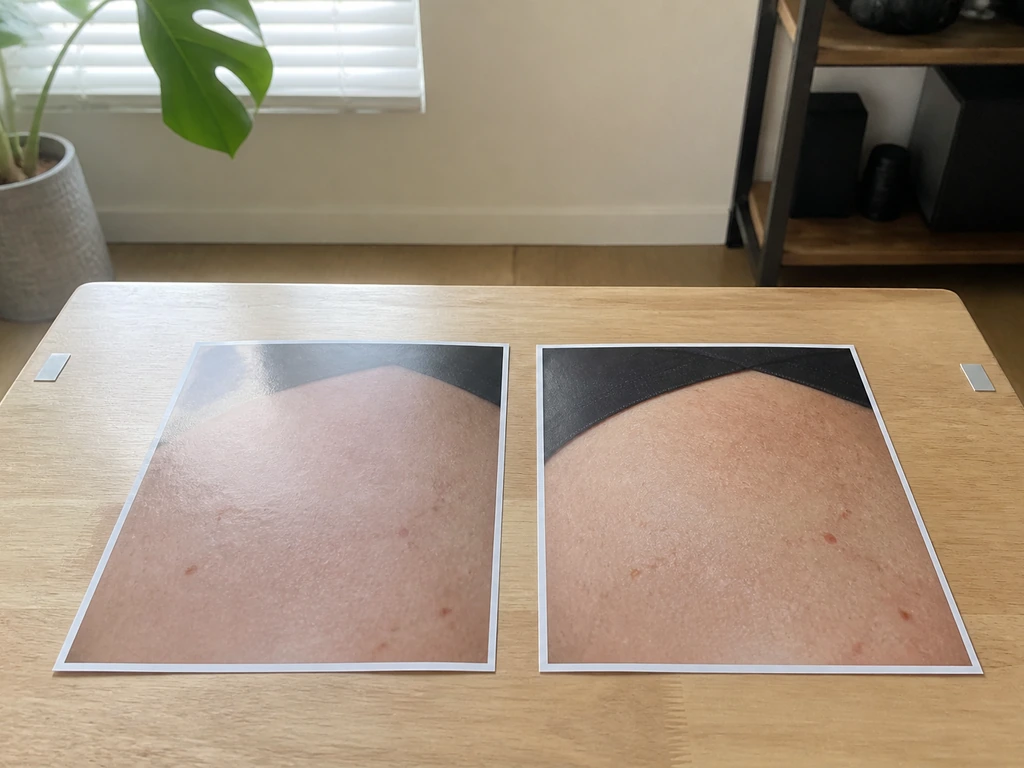
This is worth a more honest audit. Look at photos taken at the start and now, because gradual changes are genuinely easy to miss in the mirror. Check for subtle darkening even if length hasn't shifted much yet. If you have had any significant gaps in use, consider this your actual restart point and give it another full 8 weeks of consistent daily application. If you've been completely consistent and see absolutely nothing, not even minor darkening, it's reasonable to mention this to your prescriber.
At 12-16 weeks with minimal or no change
At this point, after genuinely consistent use, you should have a real conversation with your prescriber. Lumify eye drops are also marketed for lash appearance, but results depend on the exact active ingredient and how consistently you use them. Most people who are going to respond have responded by week 12. A prescriber can assess whether there's an underlying condition (thyroid issues, nutritional deficiency, or significant follicle damage) affecting your response, or whether a concentration difference might be relevant. Latisse at 0.03% bimatoprost is the FDA-approved eyelash formulation and has a slightly higher concentration than Lumigan 0. Latisse is specifically formulated for eyelash growth, so if you are asking whether it can grow hair on your head, you should confirm what’s appropriate with a clinician can latisse grow hair on head. Latisse works using the same active ingredient family as bimatoprost, which is why it can produce similar eyelash growth results over time. 01%, which could matter for some individuals.
Supporting your lashes while you wait
Bimatoprost is doing the heavy biological lifting, but there are things you can do alongside it that won't interfere and may support the overall health of the follicle environment. If you're looking for alternatives, it's also worth understanding what other eye drops are considered for eyelash growth what eye drops make your eyelashes grow. Keep lashes clean and free of residue that could block follicles. Avoid anything that puts traction on lashes (heavy mechanical curlers, picking at extensions) because physical stress on follicles can counteract growth efforts. Gentle conditioning with lash-safe ingredients between applications is fine as long as it's applied earlier in the evening and fully absorbed before you apply Lumigan at bedtime. If nutritional factors like biotin deficiency or low protein intake have been a concern, addressing those through diet makes sense as a baseline.
One final note on stopping: if you discontinue Lumigan, lash improvements will gradually reverse rather than disappear overnight. The labeling describes eyelash changes as usually reversible after stopping, and research supports the idea that it's a gradual fade as follicles cycle back toward their baseline pattern. This is worth knowing both because it's reassuring (no sudden loss) and because it explains why maintenance requires continued use.
FAQ
If I do not see clear results by 4 weeks, should I stop Lumigan?
Lumigan for lashes is usually evaluated on the 8 to 16 week window, not the first month. At 4 weeks, about 15% of people show measurable improvement, so lack of dramatic change at that point is commonly still within expectation.
Why do some lashes change sooner than others when using Lumigan?
It is normal for results to look uneven because eyelash follicles cycle at different stages. You might notice darkening on some lashes earlier than length or thickness on others, and that patchy look can still be a sign it is working.
Can I speed up eyelash growth by using Lumigan more often or applying thicker layers?
Do not change dose or frequency to “catch up.” More frequent application can increase irritation without speeding up follicle biology. If you are not seeing progress, the better adjustment is confirming correct nightly placement and uninterrupted daily use.
What happens if I miss several nights, and when should I expect progress again?
Yes, missing nights can reset the consistency needed for the follicle signal. If you have had a real break of several days, treat your start date after the restart as a new baseline and plan another full 8 weeks of consistent nightly application.
How do application mistakes affect how long it takes to see lash growth?
If you are using it for lashes, the application has to reach the lash line in the correct amount. If the solution runs onto the eyelid skin or fails to reach the lash roots, results can stall. A practical check is to review your technique with photos from the same lighting angle before and after.
If I stop Lumigan, how long will my lashes keep looking better?
Generally, you should not expect new growth to continue indefinitely after it peaks. After stopping, improvements tend to fade gradually as follicles return to their baseline cycle, so maintenance use is usually what preserves the effect.
What symptoms mean it is too soon to keep using Lumigan for lashes?
Watch for persistent or worsening symptoms rather than mild early irritation. Mild redness or mild itch in the first one to two weeks often settles, but eye pain, sudden vision changes, significant inflammation, or an allergic reaction are reasons to stop and seek urgent eye care.
If Lumigan 0.01% is slow, is switching to Latisse 0.03% likely to work faster?
Because Lumigan and Latisse are different products, “switching” can change outcomes, even though both contain bimatoprost. If you are considering a switch due to slow response, it is best to discuss with your prescriber, especially to confirm the right concentration and safe use for your eye health.
What should I ask my doctor if I have been consistent and see no darkening or growth by 12 weeks?
Yes. Some underlying issues can affect follicle response, so if you have complete consistency and absolutely no change by the 12 week mark, it is reasonable to ask your prescriber about contributors like thyroid problems, nutritional deficiencies, or prior follicle damage.
Will lash extensions, curling, or picking at lashes slow down Lumigan results?
Using Lumigan while wearing lash extensions or using heavy mechanical curlers can interfere indirectly by increasing lash friction or residue buildup. If you use extensions, avoid practices that pull or stress the lashes, and keep the lash area clean so follicles are not blocked.
Can Latisse Grow Hair on Your Head? Safety and Results
Can Latisse grow scalp hair? Learn safety, realistic timeline, side effects, and better proven regrowth options if not.